PrescriptionPoint.SU - Your Pharmaceuticals Guide - Page 3

Inactive Ingredient Differences: Why Your Generic Medication May Feel Different

Inactive Ingredient Differences: Why Your Generic Medication May Feel Different

Switching to generic medication can cause unexpected side effects-not because the drug doesn't work, but because the inactive ingredients differ. Learn why some people feel different and what to do about it.

Continue Reading
Stability Testing Requirements: Temperature and Time Conditions for Pharmaceutical Products

Stability Testing Requirements: Temperature and Time Conditions for Pharmaceutical Products

Stability testing ensures pharmaceuticals remain safe and effective over time. Learn the exact temperature and humidity conditions required by ICH Q1A(R2), how long testing takes, and why these rules matter for drug safety.

Continue Reading
How to Clear Security with Liquid Medications and Supplies at Airports

How to Clear Security with Liquid Medications and Supplies at Airports

Learn how to clear airport security with liquid medications like insulin, EpiPens, and prescription liquids. Follow TSA’s 2025 rules to avoid delays, keep your meds safe, and fly stress-free.

Continue Reading
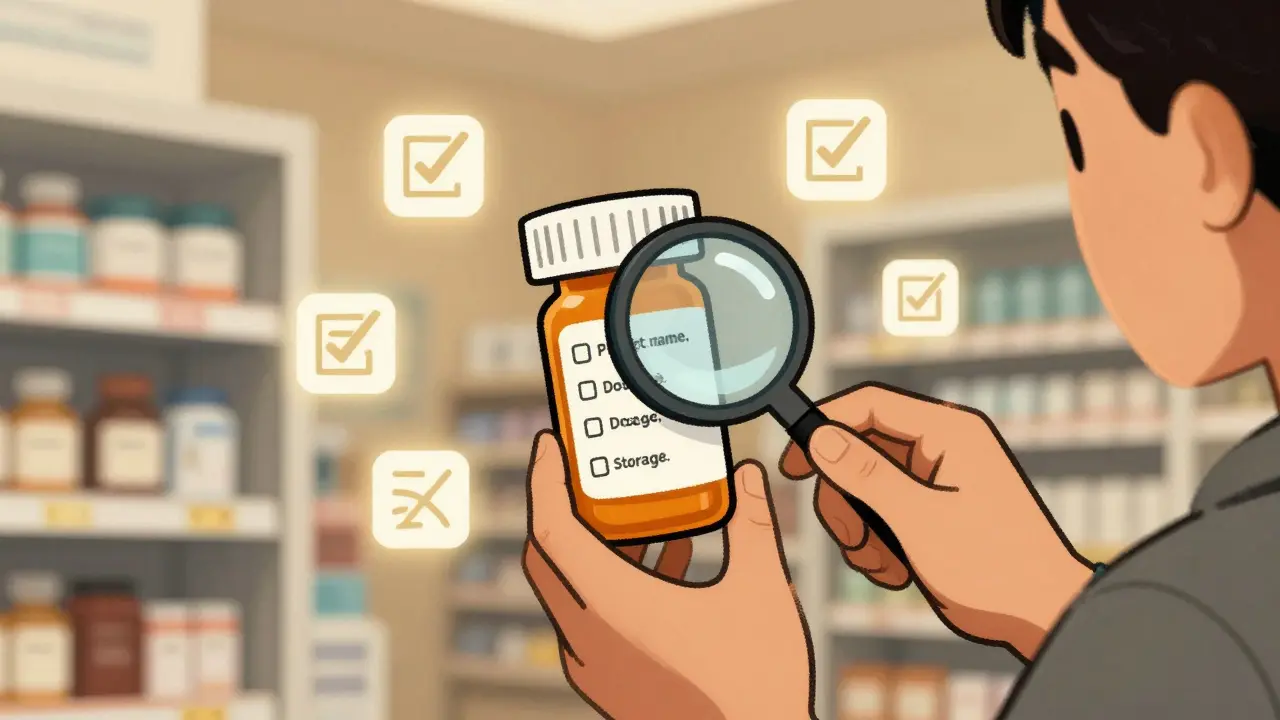
Prescription Label Warnings: What Medication Stickers Really Mean

Prescription Label Warnings: What Medication Stickers Really Mean

Prescription label warnings are critical for safety, yet most people don’t understand them. Learn what red, yellow, and black box stickers really mean, why you’re misreading them, and how to stay safe with your meds.

Continue Reading
Healthcare Provider Reporting: What Doctors and Nurses Must Report and When

Healthcare Provider Reporting: What Doctors and Nurses Must Report and When

Doctors and nurses must report abuse, public health threats, and professional misconduct by law. Learn what you're required to report, when, and how to do it safely without breaking patient trust.

Continue Reading
Warfarin vs. DOACs: Understanding the Safety Differences in Anticoagulant Therapy

Warfarin vs. DOACs: Understanding the Safety Differences in Anticoagulant Therapy

Warfarin and DOACs are both blood thinners, but DOACs are now safer and more convenient for most people. Learn how they differ in bleeding risk, kidney safety, cost, and daily use.

Continue Reading
Gut Microbiota and Obesity: How Probiotics Affect Weight and Metabolic Health

Gut Microbiota and Obesity: How Probiotics Affect Weight and Metabolic Health

Gut microbiota plays a key role in obesity by affecting energy extraction, inflammation, and insulin resistance. Probiotics and synbiotics can help restore balance, reduce belly fat, and improve metabolic health - but results vary by strain, diet, and individual microbiome.

Continue Reading
Anticoagulants for Seniors: Why Stroke Prevention Shouldn't Be Stopped Over Fall Risk

Anticoagulants for Seniors: Why Stroke Prevention Shouldn't Be Stopped Over Fall Risk

Anticoagulants for seniors with atrial fibrillation prevent strokes far more effectively than they cause dangerous bleeds from falls. Learn why stopping these meds over fall fears is often the bigger risk.

Continue Reading
Risk Minimization Tools: Do REMS and Guides Actually Improve Patient Outcomes?

Risk Minimization Tools: Do REMS and Guides Actually Improve Patient Outcomes?

REMS programs are FDA-mandated safety plans for high-risk drugs. Do they actually improve patient outcomes, or are they just bureaucratic hurdles? Learn how REMS works, its real-world impact, and where it's headed.

Continue Reading
Psoriasis and Psoriatic Arthritis: Understanding the Autoimmune Link Between Skin and Joints

Psoriasis and Psoriatic Arthritis: Understanding the Autoimmune Link Between Skin and Joints

Psoriasis and psoriatic arthritis are linked autoimmune conditions affecting skin and joints. Learn how they develop, how they're diagnosed, and what treatments can stop joint damage before it's too late.

Continue Reading