Stimulants for ADHD: What You Need to Know About Cardiovascular and Sleep Side Effects
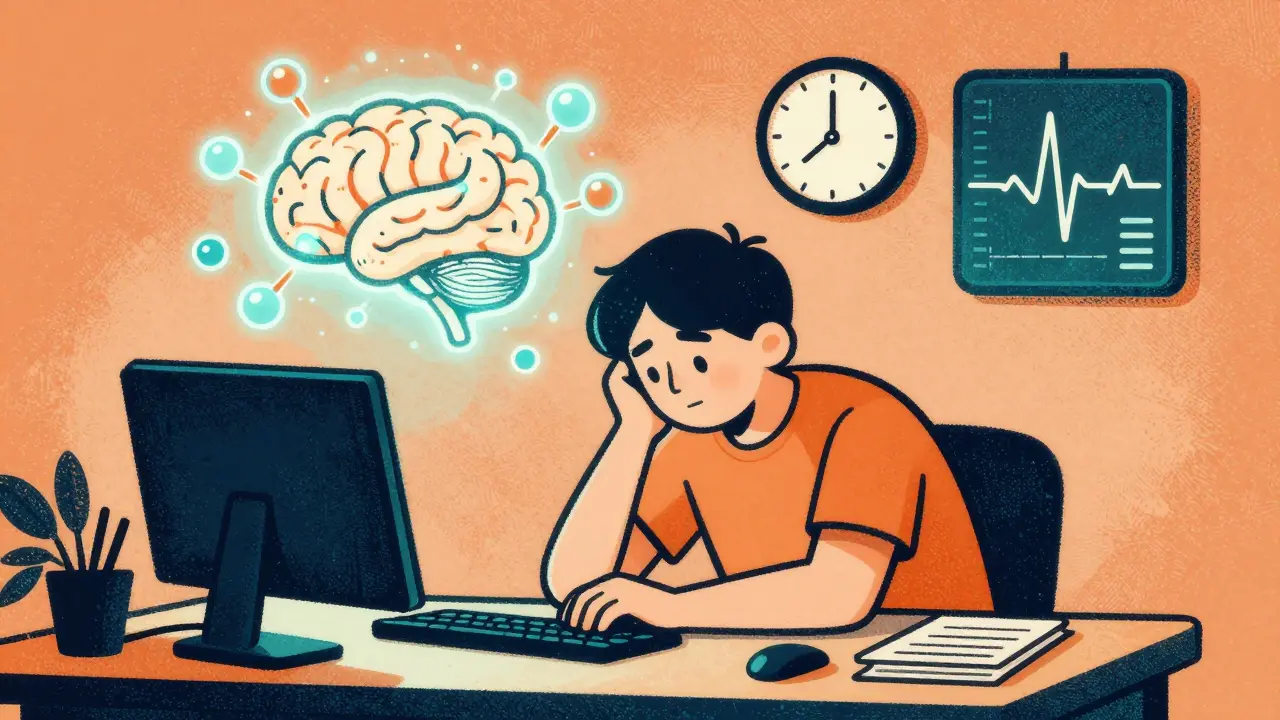
When you start a stimulant medication for ADHD, you’re not just looking at better focus or fewer impulses. You’re also signing up for changes your body might not tell you about-until something feels off. Maybe you can’t fall asleep. Or your heart races when you’re just sitting still. These aren’t rare reactions. They’re common, predictable, and often manageable-if you know what to watch for.
How ADHD Stimulants Work (and Why They Affect Your Heart and Sleep)
Stimulants like methylphenidate (the active ingredient in Ritalin, Concerta, and Daytrana) and amphetamine (found in Adderall, Vyvanse, and Mydayis) don’t just "wake up" your brain. They flood your nervous system with dopamine and norepinephrine. These chemicals help you concentrate, but they also trigger your body’s fight-or-flight response.
That’s why your heart rate and blood pressure go up. That’s why your mind stays alert when you’re trying to wind down. It’s not a bug. It’s how these drugs are designed to work. The question isn’t whether they cause side effects-it’s how much, for whom, and what you can do about it.
The Real Numbers on Blood Pressure and Heart Rate
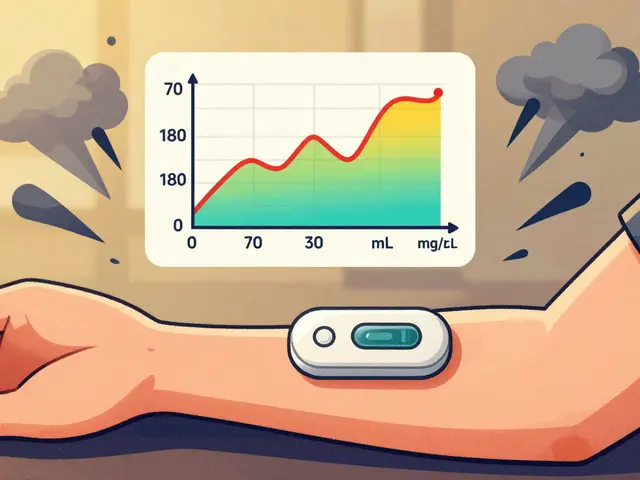
Let’s cut through the fear. The University of Southampton (2025 study published in The Lancet Psychiatry) looked at data from over 10,000 people on ADHD stimulants. What they found was simple: on average, systolic blood pressure rose by 1 to 4 mmHg. Heart rate went up by 1 to 2 beats per minute. That’s less than climbing a flight of stairs.
But here’s the catch: those small changes add up over time. A JAMA Psychiatry (2024 longitudinal study) followed 14 years of ADHD medication use and found a 17% higher risk of developing high blood pressure or arterial disease. The risk wasn’t random-it grew with the total amount of medication taken in the first three years. And it wasn’t just stimulants. Even non-stimulants like atomoxetine (Strattera) showed similar effects on heart rate and blood pressure.
That’s why doctors now say: monitor, don’t assume. You can’t tell who’s at risk just by looking. Someone with a family history of early heart disease, or a pre-existing arrhythmia, might react differently than someone who’s healthy. The American College of Cardiology (2024 study) found that young adults on stimulants were 17% more likely to develop cardiomyopathy after one year-and 57% more likely after eight years. But they also stressed: the absolute risk is still very low. For every 1,000 people on these meds, maybe one or two will have a serious cardiac event.
Not All ADHD Medications Are the Same
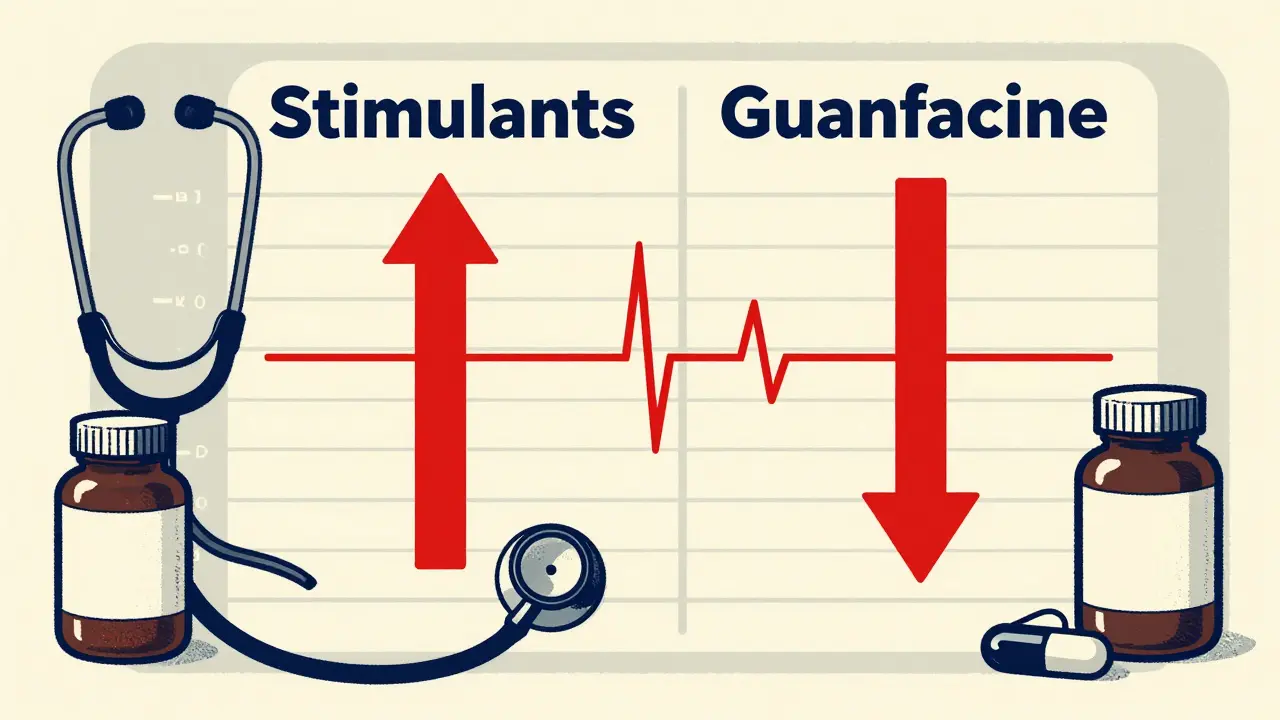
It’s easy to think "stimulant = bad for heart." But the science says otherwise. Guanfacine (Intuniv), an alpha-2 agonist often used for ADHD, actually lowers blood pressure and heart rate. It’s not a stimulant, so it doesn’t trigger the same nervous system surge. That’s why it’s sometimes prescribed for kids with anxiety or sleep issues alongside ADHD.
Even among stimulants, differences matter. Methylphenidate and amphetamine have similar overall effects, but some studies suggest methylphenidate may carry a slightly higher short-term risk of heart attack in the first few weeks of use. Still, the numbers are so small they didn’t reach statistical significance. The bigger issue is dose and duration. Higher doses over longer periods = higher risk.
And then there’s Long QT Syndrome. This rare heart rhythm disorder can be triggered by certain medications. Some ADHD drugs are flagged as "conditional risk" by CredibleMeds.org. But here’s the twist: a 2015 study of 28 kids with Long QT and ADHD found no increase in dangerous events during treatment. Another study of 48 patients found the opposite. The truth? There’s no one-size-fits-all answer. If you or your child has a known heart rhythm issue, talk to a cardiologist before starting any stimulant.
Sleep Problems: More Common Than You Think
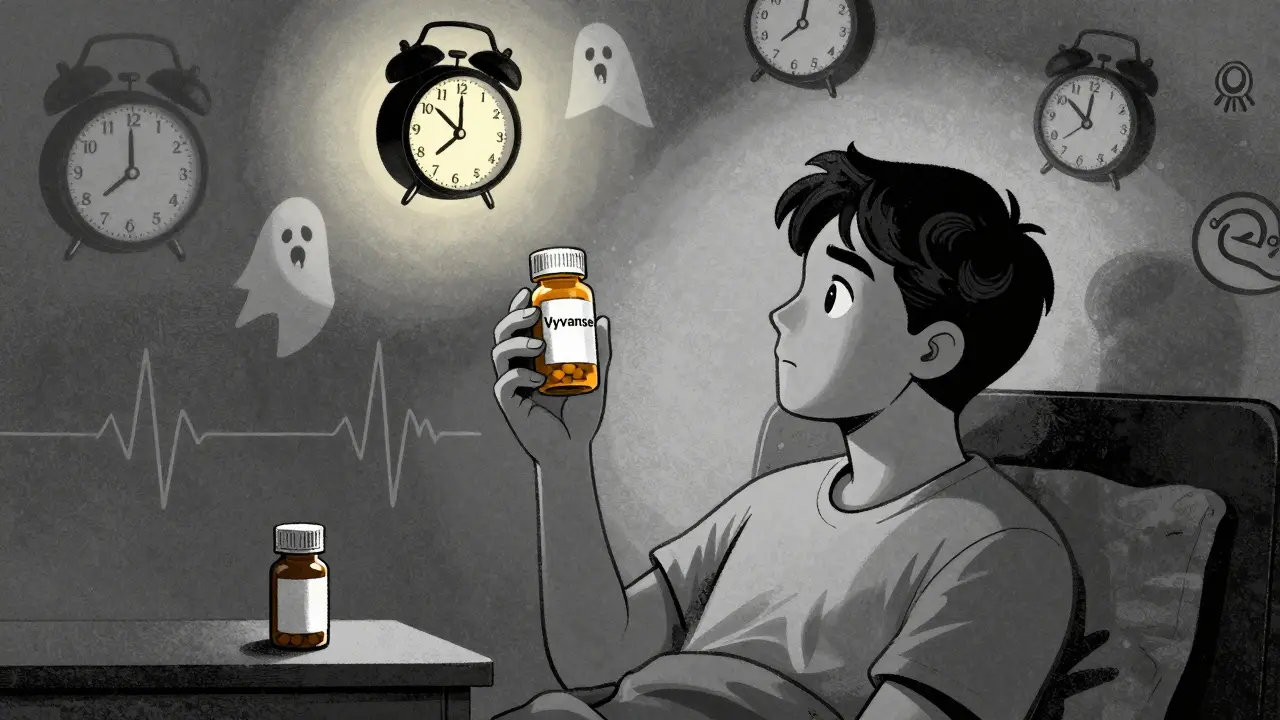
If you’ve ever taken a stimulant and stared at the ceiling at midnight, you’re not alone. About 30% to 50% of people experience trouble falling asleep when they first start treatment. It usually improves within a few weeks as the body adjusts. But for some, it doesn’t go away.
Extended-release formulas are a double-edged sword. They last longer during the day-which is great for school or work-but they can still be active 10 to 12 hours later. That means if you take Vyvanse at 7 a.m., you might still feel its effects at 7 p.m. And if you’re sensitive, that’s enough to delay sleep onset by 15 to 30 minutes on average.
Non-stimulants like atomoxetine often cause drowsiness instead of insomnia. That’s why some people switch from stimulants to atomoxetine-not because it’s more effective, but because sleep matters more than focus.
And then there’s guanfacine again. It’s not just a blood pressure reducer. In some patients, it actually improves sleep quality. That’s why it’s sometimes used as a sleep aid in kids with ADHD-even when stimulants are still part of the treatment plan.
What You Should Do: Practical Steps to Stay Safe
Here’s what works in real life, not just in studies:
- Get a baseline check. Before starting any ADHD medication, have your blood pressure and heart rate measured. Write them down. Do this again at 3 months, then every 6 months.
- Start low, go slow. Don’t jump to 20mg of methylphenidate on day one. Start with 5mg. Wait a week. Increase by 5mg weekly. This lets your body adjust and gives you time to notice side effects.
- Time your dose. Take stimulants as early as possible-ideally before 9 a.m. If you’re still feeling the effects at bedtime, consider switching to a short-acting version or splitting the dose.
- Watch for symptoms. Dizziness, chest pain, palpitations, fainting, or extreme fatigue aren’t normal. If they happen, call your doctor. Don’t wait.
- Try melatonin. If sleep is the issue, 0.5mg to 5mg of melatonin taken 1 to 2 hours before bed often helps. It’s not addictive. It’s not a sedative. It just signals to your body that it’s time to wind down.
- Ask about alternatives. If side effects persist, don’t assume you’re stuck. Atomoxetine, guanfacine, or viloxazine are non-stimulant options with different side effect profiles.
Why This Matters More Than You Think
Prescriptions for ADHD meds in the U.S. jumped from 35 million in 2012 to over 72 million in 2022. That’s a 100% increase. Globally, the market is worth over $16 billion and growing fast. With that growth comes pressure-to prescribe, to treat, to fix.
But here’s what gets lost: untreated ADHD carries its own risks. Poor academic performance, job loss, car accidents, substance abuse, depression. The American Psychiatric Association says 70% to 80% of people with ADHD improve significantly with stimulants. That’s a huge benefit.
The question isn’t whether stimulants are safe. It’s whether you’re being monitored well enough to catch problems before they become serious. Most doctors don’t check blood pressure after the first visit. Most parents don’t know what to watch for. That’s the gap.
Stimulants aren’t dangerous. But they’re not harmless, either. They’re powerful tools. And like any tool, they need to be used with care, awareness, and regular check-ins.
Do ADHD stimulants cause heart attacks?
The risk of a heart attack from ADHD stimulants is extremely low. A 2024 study found a slight increase in short-term risk (within 8 to 56 days of starting treatment) for methylphenidate, but the numbers were too small to be statistically significant. For most people, the absolute risk is less than 1 in 1,000. The benefits of improved focus and functioning far outweigh this tiny risk for the majority of patients.
Can I take ADHD medication if I have high blood pressure?
Yes-but with caution. If you already have high blood pressure, stimulants can make it worse. Your doctor may choose a non-stimulant like atomoxetine or guanfacine instead. If stimulants are still the best option, they’ll likely start you on a very low dose and monitor your blood pressure closely. Some patients need to add or adjust blood pressure medication while on ADHD treatment.
Why do stimulants cause insomnia?
Stimulants increase dopamine and norepinephrine, which are wakefulness-promoting chemicals. This helps you focus during the day but can make it harder to relax at night. Extended-release formulations can still be active 10-12 hours after taking them, especially at higher doses. The effect usually lessens over time, but for some, sleep remains a challenge-leading many to switch medications or add melatonin.
Are non-stimulant ADHD medications safer for the heart?
Not necessarily. A 2025 study found that non-stimulants like atomoxetine and viloxazine cause similar increases in heart rate and blood pressure as stimulants. The difference is in how they work: stimulants cause a more immediate spike, while non-stimulants have a slower, steadier effect. Guanfacine is the exception-it lowers blood pressure and heart rate. So safety depends on the specific drug, not just whether it’s a stimulant.
Should I get an ECG before starting ADHD medication?
Routine ECG screening isn’t recommended for most people. The American Academy of Pediatrics and American Academy of Neurology say the benefits don’t outweigh the costs and anxiety it causes. But if you have a personal or family history of sudden cardiac death, fainting, arrhythmias, or known heart conditions, an ECG and cardiology consultation are advised. It’s about individual risk, not blanket screening.
8 Comments
Emma Nicolls
March 13 2026I started on Adderall last year and honestly thought the sleep stuff was just me being lazy. Turns out it was the med. Switched to taking it before 8am and added 1mg melatonin and now I sleep like a baby. No more 3am scrolling. Also my BP stayed normal after the doc checked it. Just listen to your body, not just the script.
Richard Harris
March 15 2026I’ve been on methylphenidate for 7 years. My heart rate’s always been a bit high but I’ve never had symptoms. Got a checkup last year and doc said ‘keep doing what you’re doing’. The stats sound scary but for most of us it’s just a quiet background hum. Don’t panic. Monitor. Adjust. Live.
Kandace Bennett
March 16 2026OMG I’m so glad someone finally said this 🙌 Like, I get that people are scared of stimulants but come on - if you’re a 20-something with ADHD and no heart issues, you’re 10x more likely to get in a car crash from zoning out than from your med. Stop fearmongering. Also, guanfacine is a GAME CHANGER for sleep. My kid sleeps 9 hours now. 🥹❤️
Tim Schulz
March 16 2026So let me get this straight - we’re being told to ‘monitor’ side effects like we’re lab rats with a stopwatch? 🤦♂️ Meanwhile, the real issue is that doctors don’t even ask about sleep or BP after the first visit. This article is basically a 3000-word pep talk for people who already know the risks. Thanks for the reminder that medicine is a numbers game and not a personal relationship. 😑
Jinesh Jain
March 17 2026Interesting read. I'm from India and stimulants are less common here. Most use behavioral therapy or ayurvedic approaches. But I know a few who use Vyvanse. Their main issue is sleep too. I wonder if diet or climate affects how the meds work? Like, hotter climates = more dehydration = worse side effects? Just thinking out loud.
douglas martinez
March 18 2026I appreciate the data-driven approach in this piece. However, I must emphasize that while the absolute risk remains low, the cumulative effect over time is not negligible. For patients with comorbid anxiety or metabolic syndrome, even a 1-2 bpm increase can be clinically meaningful. I recommend a personalized risk-benefit analysis, not a one-size-fits-all protocol. Regular follow-ups are non-negotiable.
Sabrina Sanches
March 20 2026I switched from Adderall to guanfacine last year and my sleep went from terrible to amazing... like, I actually REMEMBERED what it felt like to fall asleep before midnight. Also my BP dropped 10 points. I didn’t even know I was that stressed. And yes I still have ADHD. I’m just not running on adrenaline 24/7 anymore. Life is quieter now. And honestly? Better.
Shruti Chaturvedi
March 20 2026This is so important. My sister has ADHD and was on stimulants for years. She never told us about the palpitations until she fainted at work. Now she’s on non-stimulant and doing great. If you’re on these meds, talk to someone. Don’t suffer in silence. You’re not alone. And if you’re a parent - ask the doc about sleep. Seriously. Ask.