FDA Compliance: What It Means for Your Medications and How It Keeps You Safe
When you take a pill, you trust that it’s been tested, made under clean conditions, and labeled correctly. That trust comes from FDA compliance, the set of rules enforced by the U.S. Food and Drug Administration to ensure drugs are safe, effective, and consistently manufactured. Also known as pharmaceutical regulation, it’s the invisible system that checks every batch of medicine before it reaches your pharmacy. Without it, you’d have no way to know if your blood pressure pill was made in a clean lab or a garage with unsterile tools.
FDA compliance isn’t just about approving new drugs. It’s a continuous process that starts at the factory and ends at your medicine cabinet. For example, FDA foreign inspections, unannounced checks on overseas drug factories. Also known as international GMP audits, these inspections ensure that medicines made in India, China, or elsewhere meet the same standards as those made in the U.S. If a factory fails, the FDA can block shipments — and that’s why some medications suddenly disappear from shelves. Then there’s batch release testing, the final safety check where each batch of pills is tested for strength, purity, and contamination. Also known as quality assurance testing, this step catches bad batches before they’re shipped. One failed test can cost millions — and more importantly, it keeps dangerous drugs off the market.
FDA compliance also shapes what you pay. The FDA authorized generics, brand-name drugs sold under a generic label by the original manufacturer. Also known as authorized generic medications, these are often cheaper than regular generics because they’re made in the same facility with the same ingredients. But here’s the catch: the FDA’s list of authorized generics isn’t always up to date. That’s why some patients pay more than they should — not because generics don’t work, but because they don’t know which ones are truly identical to the brand.
And it’s not just about pills. FDA compliance affects how drugs are labeled, how warnings are written, and even how your doctor prescribes them. If a drug causes rare but serious side effects — like drug-induced TTP or severe bleeding — the FDA can require new warnings, update prescribing guidelines, or pull the drug entirely. That’s why you see those long lists of possible side effects on your prescription bottle. It’s not fearmongering. It’s compliance in action.
Behind every safe medication is a chain of rules: from the factory floor to the pharmacy shelf. FDA compliance isn’t a buzzword. It’s the reason your insulin works the same way every time, why your antibiotics aren’t laced with toxic fillers, and why your child’s liquid medicine has the right dose. It’s the system that makes modern medicine trustworthy.
Below, you’ll find real guides that break down how FDA compliance touches your life — from how overseas factories are inspected to why your doctor might push you toward a generic. No fluff. Just what you need to know to understand your meds — and protect yourself.
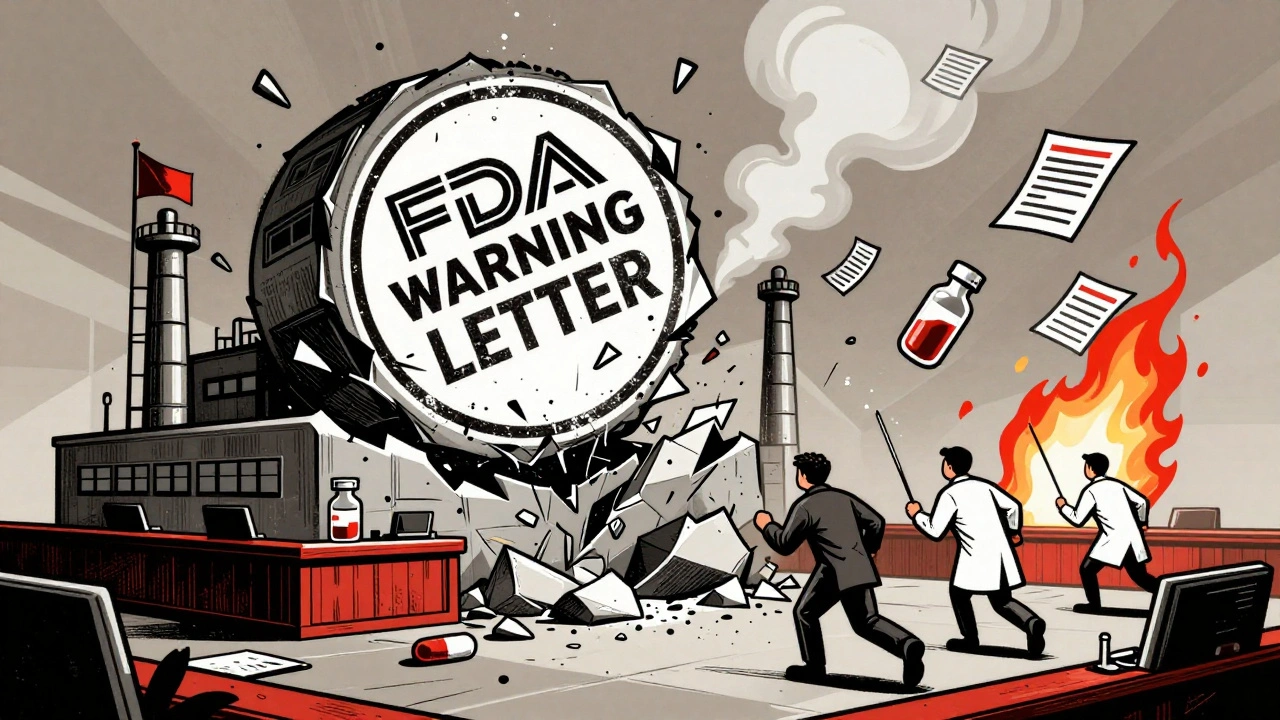
FDA warning letters are formal notices issued to pharmaceutical manufacturers for serious violations of drug production rules. They lead to delays, financial losses, and reputational damage. Learn what triggers them, how to respond, and why enforcement is increasing.
Continue Reading