Targeted Therapy: What It Is, How It Works, and What You Need to Know
When doctors talk about targeted therapy, a type of cancer treatment that blocks specific molecules involved in tumor growth and spread. Also known as precision medicine, it doesn’t just blast cells—it picks out the ones driving the disease. Unlike traditional chemotherapy, which hits fast-growing cells no matter where they are, targeted therapy zeroes in on genetic changes found only in cancer cells. This means fewer side effects for many patients and better outcomes when the right target is found.
Targeted therapy works because cancers aren’t all the same. Two people with lung cancer might have tumors driven by completely different mutations. One might have an EGFR mutation, another an ALK fusion. Drugs like osimertinib or crizotinib are designed to lock onto those exact changes. That’s why genetic testing is now standard before starting treatment. If your tumor doesn’t have the target, the drug won’t work—and you’ll avoid unnecessary side effects. These treatments are often pills you take at home, not IV infusions in a clinic, making life easier for many.
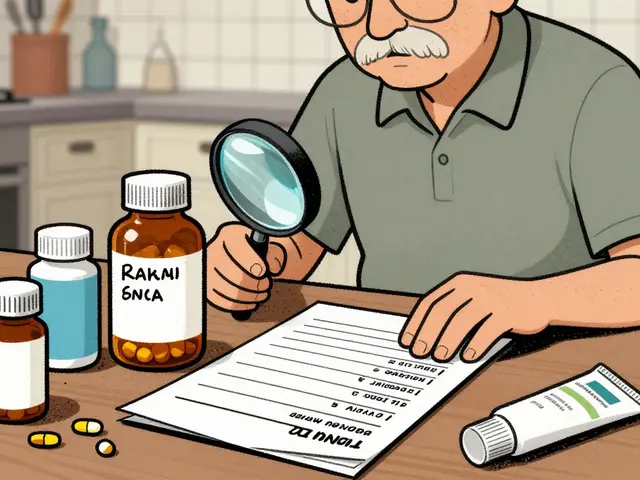
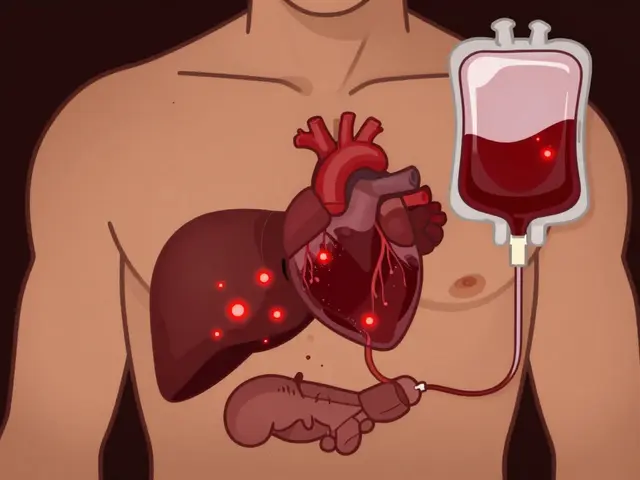
But targeted therapy isn’t magic. Tumors can adapt. A drug that shrinks a tumor today might stop working in six months as the cancer finds a new way to grow. That’s why doctors often combine targeted drugs with other treatments, like immunotherapy or low-dose chemo. And while these drugs are more precise, they still cause problems—rash, high blood pressure, liver stress, or even heart rhythm issues. That’s where knowing about drug interactions, how medications affect each other inside your body becomes critical. A common acid reducer or antibiotic might block your targeted drug from working, or make side effects worse. That’s why every pill you take—even over-the-counter ones—needs to be reviewed by your oncology team.
And it’s not just about the drug itself. Your body’s ability to process it matters too. If you have kidney or liver problems, your dose might need adjusting. Some targeted therapies build up in your system if your organs aren’t clearing them properly. That’s why regular blood tests aren’t optional—they’re lifesaving. And if you’re on multiple meds, like a blood thinner or a thyroid pill, you need to know how they play together. We’ve seen cases where a simple antacid cut the absorption of a targeted cancer drug by half. No one wants that kind of surprise.
Targeted therapy has changed the game for many cancers—melanoma, lung, breast, and leukemia, to name a few. But it’s not for everyone. It only works if your tumor has a known target, and not all tumors do. Still, for those who qualify, it can mean years of good quality life instead of months. The key is knowing your options, asking for the right tests, and staying on top of how everything you take fits together.
Below, you’ll find real-world guides on how targeted therapy connects to other common issues: drug interactions that can sabotage treatment, side effects you might not expect, and how other conditions like kidney disease or diabetes affect your care. These aren’t theoretical—they’re stories from patients and doctors who’ve lived it.
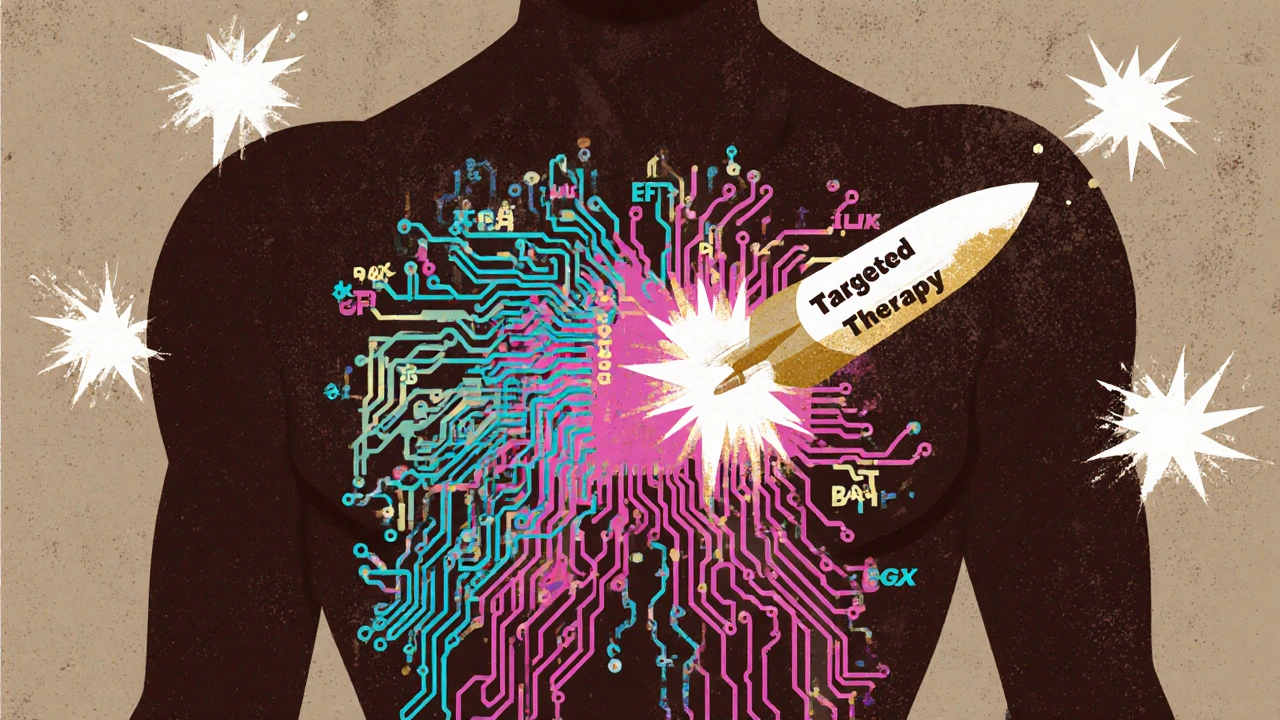
Targeted therapy uses tumor genetics to treat cancer more precisely than chemotherapy. Learn how genomic testing identifies mutations, which drugs work best, and why access remains unequal despite major advances.
Continue Reading