Behind-the-Counter Medications and Pharmacy Restrictions Explained: A Complete Guide
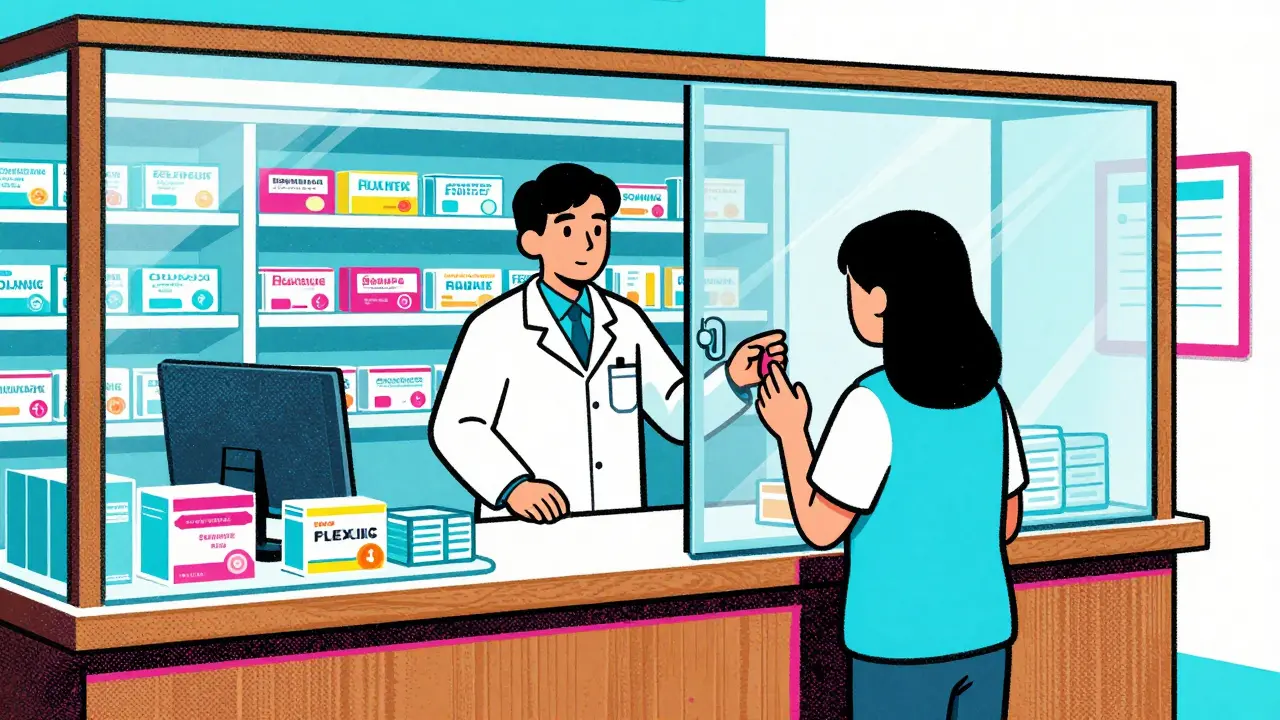
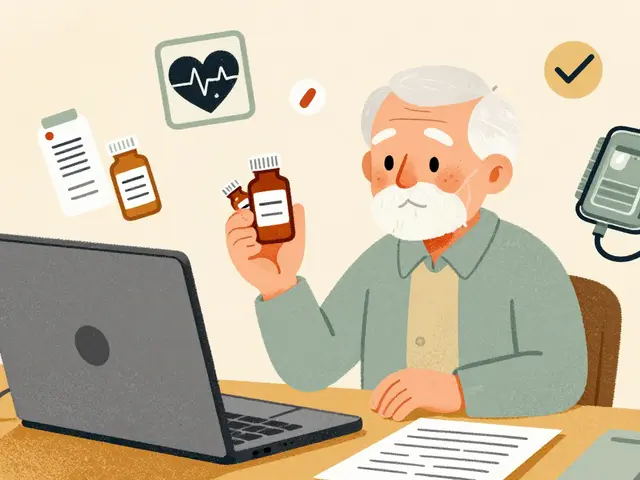
Have you ever walked into a pharmacy expecting to grab your cold medicine from the shelf, only to find it hidden behind a locked glass counter? You aren't imagining things. There is a whole category of medications known as Behind-the-Counter (BTC) Medications that sits right between what you can buy freely in a supermarket and what requires a doctor's signature. Understanding this middle ground can save you time during flu season or help you navigate urgent health needs without waiting days for a clinic appointment. While regulations differ across regions-specifically distinguishing how the US handles these compared to the UK's "Pharmacy Only" list-the concept remains the same: controlled access managed directly by a pharmacist.
This isn't just about security; it's about balancing safety with accessibility. These drugs often carry risks like misuse or addiction, yet they provide relief that many people consider everyday necessities. By learning how these restrictions work, who can buy what, and why certain rules exist, you can navigate the pharmacy counter with confidence and know exactly what to bring along with you.
Defining the Middle Ground Between Prescription and OTC
To understand BTC Drugs, you first need to know where they fit in the medication hierarchy. Most medicines fall into two obvious buckets: Over-the-Counter (OTC), which you can grab off a shelf anywhere, and Prescription-Only Medications (POM), which need a doctor's approval. BTC medications are the third tier. They do not require a formal prescription, meaning no doctor visit is needed, but they cannot be self-selected by shoppers.
| Category | Doctor Needed? | Pharmacist Consultation | Where Sold |
|---|---|---|---|
| General Sales (GSL) | No | Not Required | Supermarkets, Shops |
| Pharmacy Only (P) / BTC | No | Mandatory | Behind Counter |
| Prescription (POM) | Yes | Dispensing Only | Pharmacy Only |
In the United States, this category gained formal structure following the Combat Methamphetamine Epidemic Act of 2005. Before that, ingredients like Pseudoephedrine were sitting openly on shelves. The law moved these products behind the counter to stop people from buying them illegally to manufacture meth. The goal wasn't to ban the drug-it treats nasal congestion better than almost any OTC alternative-but to track who buys it. This model ensures that while you can get effective treatment, there is a professional present to ask the right questions.
Common Examples You Might Encounter
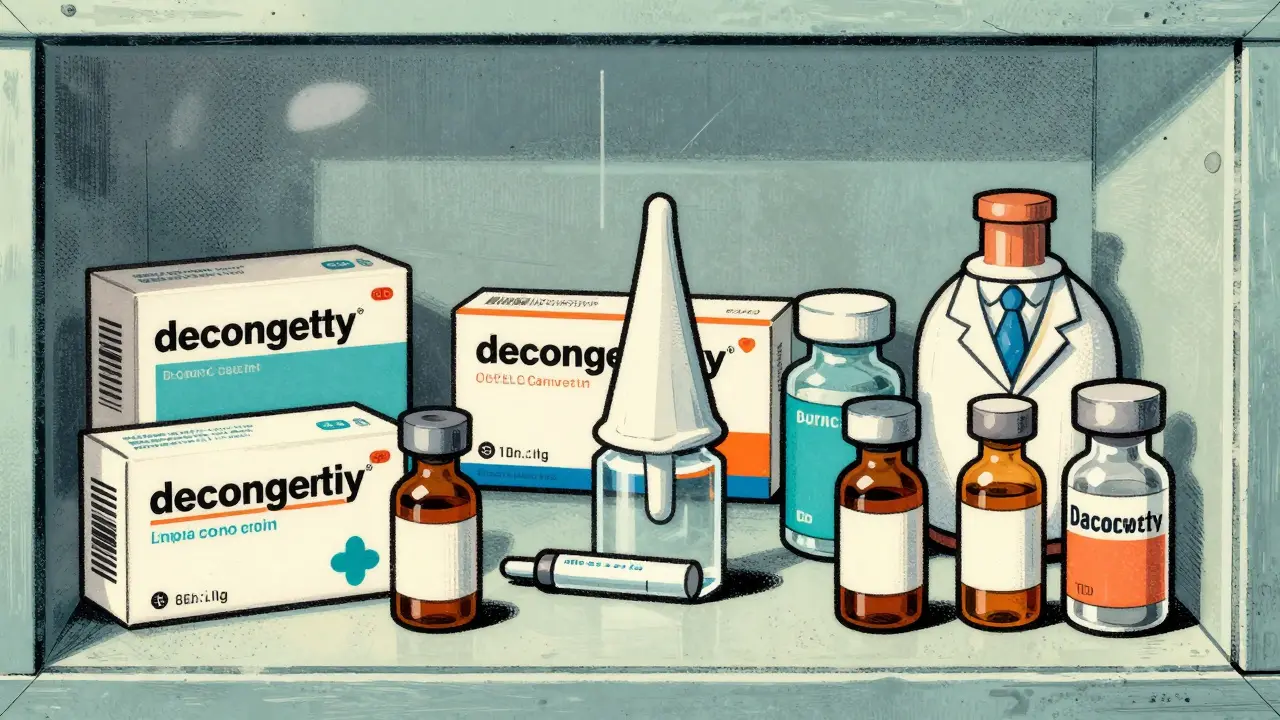
You might not realize you've already encountered a behind-the-counter medication. One of the most common examples is Pseudoephedrine . Brands like Sudafed, Allegra-D, and Claritin-D all contain this active ingredient. These versions are typically stronger than the standard OTC options containing phenylephrine. Clinical studies have highlighted that pseudoephedrine relieves nasal congestion in about 72% of cases, whereas phenylephrine struggles to hit 38%. However, that effectiveness comes with strict limits. You usually cannot buy more than a small amount at once.
Another significant group includes emergency contraceptives. Products like Plan B One-Step shifted to behind-the-counter status for older teens and adults years ago. Previously, you needed a doctor to prescribe this option. Now, the barrier is simply speaking to the pharmacist. This change was crucial; statistics showed that easier access contributed to a decline in teen pregnancy rates over the decade following implementation. It removed the friction of scheduling appointments during stressful times.
Even insulin has made its way into this grey area in some markets. Major retailers like Walmart introduced their own brand, ReliOn, allowing customers to buy regular insulin (Humulin R) and NPH insulin (Novolin N) without a script. For someone managing diabetes in a financial pinch, this could be the difference between paying $40 out-of-pocket versus hundreds on insurance co-pays. Note that while these older insulins are accessible, newer analog formulations still require strict prescription oversight.
The Process: What Happens When You Ask for One?
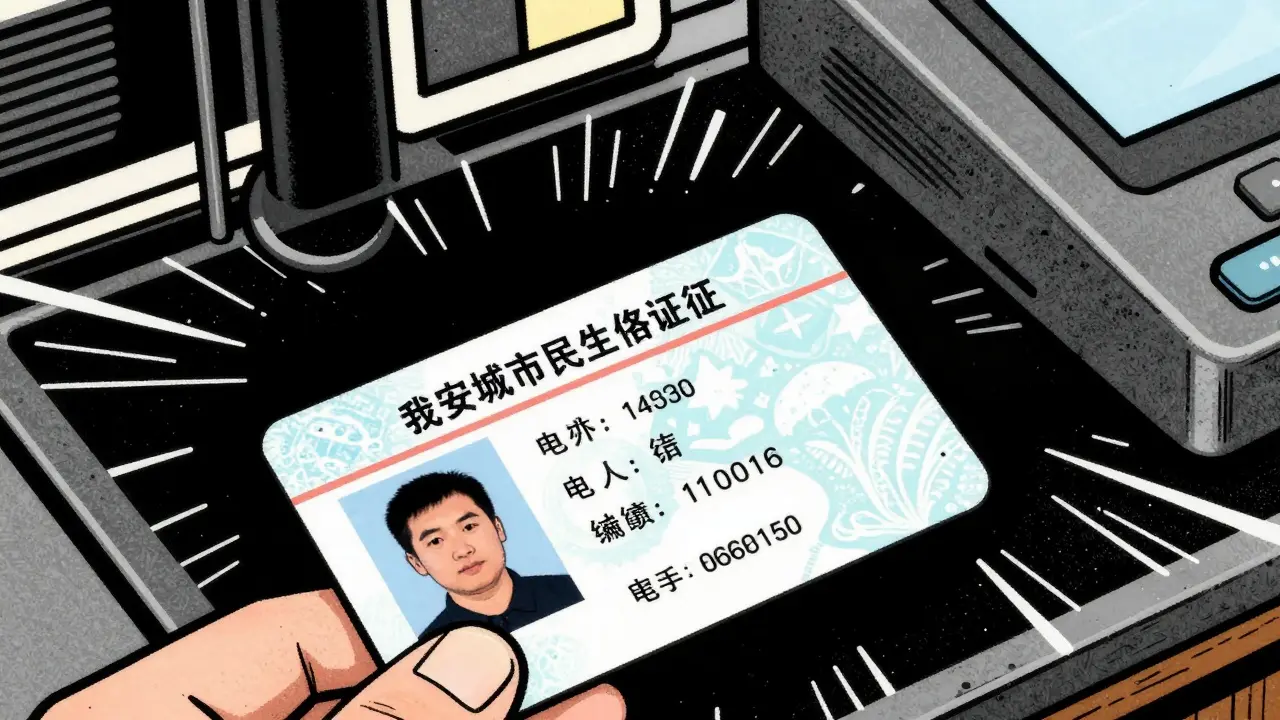
Walking up to the counter is the first step, but the interaction is highly regulated. Unlike grabbing a box of Tylenol, buying a BTC medication involves legal verification. You will likely be asked for government-issued photo identification. This isn't just for age checks; in many jurisdictions, your purchase gets logged electronically.
In the US, systems like the National Precursor Log Exchange (NPLEx) track purchases. There are daily caps on how much product you can buy-often limited to 3.6 grams per day and 9 grams within a 30-day period. If you try to buy more, the system alerts the pharmacist immediately. This prevents "doctor shopping" or stockpiling materials for illicit manufacturing.
For consumers, the process adds time. Expect to spend about five to seven minutes talking to the pharmacist. This isn't bureaucratic red tape; it serves a medical purpose. The pharmacist checks your history to ensure the medication doesn't interact dangerously with something else you might be taking. For example, mixing decongestants with certain blood pressure medications can be risky. This face-to-face moment is the safety net that makes BTC viable without requiring a full prescription workflow.
Barriers and Real-World Challenges
While the safety measures make sense theoretically, the real-world application isn't always smooth. The biggest complaint among users is inconvenience. If you live in a rural area, traveling to a pharmacy can mean driving twenty miles just for a box of decongestant. Research suggests that millions of people live in "pharmacy deserts" where this infrastructure simply doesn't exist close enough to be practical. In these scenarios, the restriction effectively denies access entirely.
There is also the issue of inconsistency. Regulations vary wildly by region. A customer traveling between states might find themselves blocked in one location but allowed through in another. Furthermore, enforcement can be subjective. Some pharmacists are more cautious than others. Studies have documented situations where customers faced refusal or excessive questioning. Alarmingly, some data points to racial disparities in these interactions, showing that minority customers are sometimes questioned more heavily or denied service compared to white customers with identical purchase patterns. This highlights a systemic flaw where safety protocols can inadvertently create discrimination.
Future Trends and Expansion
The category is growing, not shrinking. With healthcare costs rising, moving more drugs to this middle ground allows for cheaper care without dropping safety nets. Recent approvals show low-dose medications for alcohol use disorder transitioning to this status. Experts predict that within the next few years, we may see cholesterol medications and other therapeutic categories join the ranks.
However, experts warn against a patchwork approach. If every local region sets its own rules, it confuses patients and complicates supply chains. Standardization is the key to making BTC truly beneficial. As the American Pharmacists Association notes, pharmacists are uniquely positioned to assess risk for these intermediate medications. Their role is shifting from simple dispensers to primary access points for safe drug use.
Do I need a prescription for behind-the-counter meds?
No, you do not need a doctor's prescription. However, you do need to speak directly with a licensed pharmacist, and they must record your purchase details before handing you the product.
Why are cold medicines kept behind the counter?
Ingredients like pseudoephedrine can be used to manufacture illegal methamphetamine. Limiting sales via ID tracking and purchase caps helps prevent diversion while keeping the medication available for legitimate medical use.
Is insulin available without a script?
In some markets, yes. Specific brands and types like Humulin R or Novolin N may be sold behind the counter at major retailers, but newer fast-acting analogs usually still require a prescription.
What ID is required to buy restricted meds?
You must provide a valid government-issued photo ID (like a driver's license or passport). Your details are often recorded in an electronic database to monitor purchase frequency.
Can I buy emergency contraceptives at night?
This depends on pharmacy hours. Many chain stores are open late or 24 hours, allowing access after a normal clinic would be closed, provided a staff pharmacist is on duty.

12 Comments
Shawn Sauve
March 27 2026The distinction between pharmacy-only and general sales is often overlooked by the average shopper until they face a locked door. It used to be frustrating when I needed something simple but got stuck behind the glass counter waiting for approval. Knowing how these restrictions work is vital for everyone navigating the system effectively. My mother always struggled with the lines during flu season back home due to the new laws. Now that I know the ID logging happens electronically I see the benefit clearly for public safety. It stops bad actors from stockpiling chemicals meant for household remedies or illegal labs. Plus the pharmacist interaction allows for checking potential drug interactions with existing prescriptions. I had a scare once mixing blood pressure meds with a decongestant unknowingly during a bad winter. If I hadn't spoken to the professional staff beforehand I could have been in real trouble medically. These rules aren't designed to hinder us intentionally even if they feel strict during emergencies. They create a necessary barrier against misuse of potent ingredients found in cold medicines. Safety nets like this help prevent accidental overdoses in vulnerable populations who shop alone. We tend to forget the administrative work pharmacists put into tracking daily purchase limits. It balances accessibility with the need to monitor high risk substances in circulation. I think understanding the middle ground saves everyone a lot of headache later on :) Thanks for sharing the details.
walker texaxsranger
March 27 2026surveillance state tactics disguised as public health safety nets for precursor chemical acquisition tracking databases are concerning regarding liberty infringements we lose privacy for a box of Sudafed and the government knows our location history through prescription logs
Debra Brigman
March 28 2026We dance around the concept of autonomy versus collective security in healthcare discussions constantly without realizing the nuance. The color of bureaucracy paints a gray picture on what should be vibrant wellness choices. It creates a philosophical friction between immediate relief and regulated freedom. When we lock away medicine behind glass we are essentially saying trust is scarce in our modern architecture. There is a certain melancholy in needing permission for your own body's comfort. Yet the tapestry of regulation tries to weave safety into the fabric of daily life tightly. We must consider if the threads are holding or if they are choking the patient entirely. Society benefits from the shield but individuals pay the price in time lost. It forces us to pause and reflect on why we want these substances in the first place. A deeper inquiry into our health habits might reveal why we rely so heavily on pharmaceutical crutches. Perhaps the counter acts as a mirror reflecting our dependency culture.
tyler lamarre
March 29 2026Honestly most people just want their congestion meds without the bureaucracy but apparently safety requires paperwork instead of common sense. It is ironic that those who demand the most privacy also demand the most protection from harm. You seem to enjoy debating the ethics while the rest of us just want a cold to pass quickly. Your poetic musings are lovely but they do not stop meth production effectively. The masses cannot afford to ponder philosophy when they are suffering from allergies. We need results not abstract contemplation on freedom metrics. It is amusing to watch intellectuals agonize over a small inconvenience while criminals find loopholes anyway.
Tony Yorke
March 30 2026Good to know the rules so we dont waste time at the store.
Rachael Hammond
March 31 2026I went to the phramacy yesterday and the clerk asked for my ID even though i am buying insulin. It felt wierd having to flash papers for medicin that i need daily. Cant believe they made us wait ten minutes just for humulin r. Maybe its just the chain policy though since walmart does it differently nowdays. Still annoying when you are diabetic and running late for apointments. Hope things change soon so patients dont feel like suspects every trip. Just wanted to share my expierence on that part of the article.
Devon Riley
April 1 2026So glad these guides exist to help people navigate the healthcare system confidently 😊 Everyone deserves to feel comfortable asking for help at the counter. Knowing the rules makes the process less scary and much easier to handle ❤️ Pharmacists are trying their best to keep us safe and healthy too. We should appreciate the extra step for the greater good of the community 🌟 Hope everyone finds what they need without too much stress!
Tommy Nguyen
April 2 2026agreed they are helpful
Kameron Hacker
April 3 2026The regulatory framework necessitates a formal approach to procurement rather than casual access. We must insist upon adherence to established protocols to maintain efficacy in prevention strategies. Ignoring the systemic implications risks undermining the entire infrastructure of controlled substance management. Compliance is not optional when public safety is under scrutiny by federal mandates. Any deviation from standard procedure compromises the integrity of the surveillance network. We cannot allow lax attitudes toward verification processes to erode public trust in pharmacy services.
Jeannette Kwiatkowski Kwiatkowski
April 5 2026Yeah whatever it sounds like you are talking about boring stuff nobody cares about honestly. The elitist vibe is showing through that big word salad you typed out there buddy. Most regular folks just want cheap meds not your lecture on federal compliance standards. You act like you own the rules book but you're just typing random stuff online for points. People need simplicity not your corporate speak about infrastructure integrity nonsense. Drop the mask and admit you just like being difficult to others. Honestly save the lectures for the boardroom where people pretend to listen. This whole topic needs less snobbery and more actual help for shoppers.
Sophie Hallam
April 6 2026Both perspectives seem valid depending on your situation and location. Some areas have better access than others so the impact varies greatly. It is important to remain neutral when discussing regional differences in law enforcement. Every customer deserves respect regardless of their background or purchase history. We should focus on solutions that improve access without compromising safety standards completely.
Rohan Kumar
April 8 2026In my country we have different rules but basically same chaos everywhere 🤡 Why bother hiding stuff if nobody follows the law properly anyway 🙄 Just gives the cops more reasons to hassle citizens for no reason. Meth cooks will always find another way obviously. This is just theater for politicians to look busy doing something. Typical western obsession with control instead of solving root problems. Waste of time reading all this 🤷♂️