Comparing Generic Drug Manufacturers and Pill Appearance: A Patient's Guide
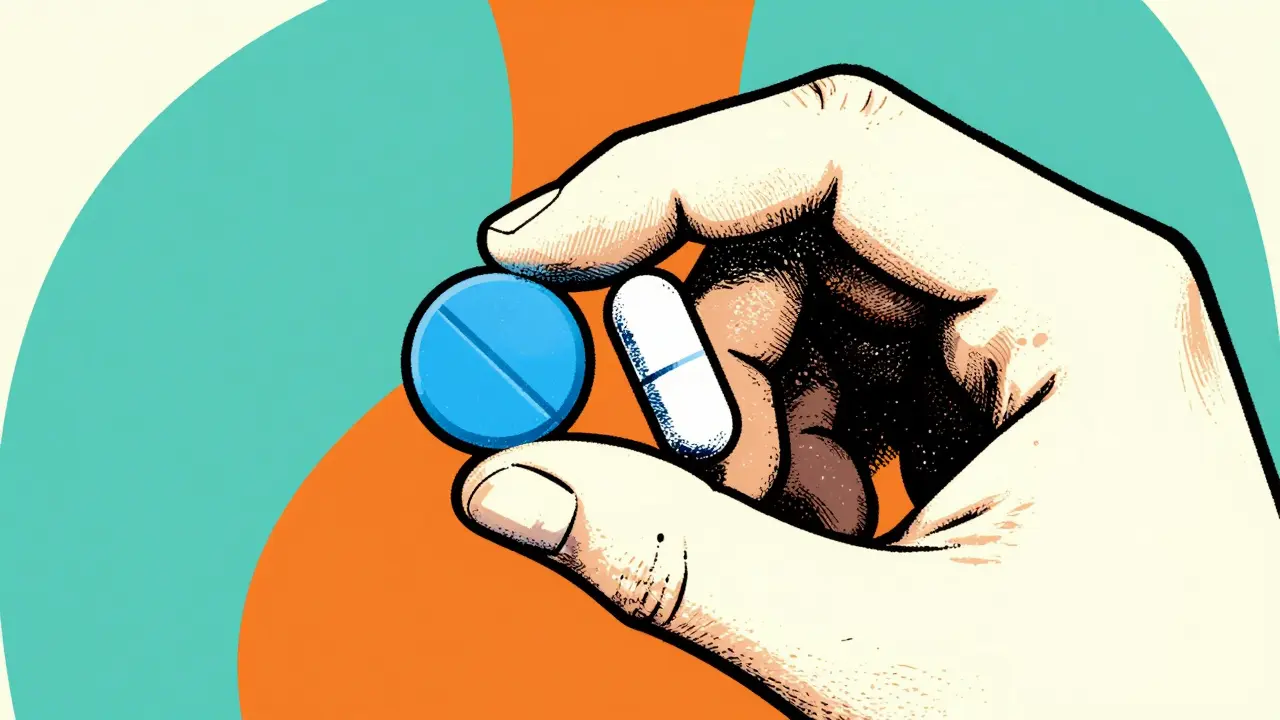
You pick up your prescription and notice something strange: your pill is blue today, but last month it was white. Or maybe it's a capsule now instead of a tablet. It's enough to make anyone pause. Does a different look mean the medicine isn't working? Is this a fake version, or did the pharmacy make a mistake? When you're dealing with your health, these visual changes can feel alarming, but there's a logical, regulated reason why your meds don't always look the same.
Why Your Generics Look Different
The first thing to understand is that generic manufacturers is a group of pharmaceutical companies that produce medications identical in active ingredients to brand-name drugs but often with different visual characteristics. By law, a generic drug cannot be a perfect visual clone of the brand-name version because of trademark laws. If a company makes a pill that looks exactly like the original, they're stepping on legal toes.
Because of this, manufacturers vary the color, shape, and size of the pill. According to research in Nature Scientific Reports, color differences occur in about 78% of generic versions, and shape variations appear in 65%. While the active chemical is the same, the "fillers"-known as inactive ingredients-can vary. These include binders, coatings, and dyes. They don't change how the medicine works in your bloodstream, but they definitely change how the pill looks in your hand.
The Science of "Same Enough": Bioequivalence
If the look is different, how do we know the medicine is the same? This is where Bioequivalence comes in. For a generic to be approved, the FDA (Food and Drug Administration) requires that the generic version delivers the same amount of active ingredient into the bloodstream at the same rate as the brand-name drug.
Specifically, they look at the maximum concentration (Cmax) and the total exposure (AUC). The standard requirement is that the generic must fall within a 90% confidence interval of 80-125% of the brand drug's performance. In plain English: the difference is usually tiny. One landmark study showed the average difference in absorption was only 3.5%, which is basically the same variation you'd see between two different batches of the exact same brand-name drug.
How to Compare Different Manufacturers
Not all generic makers are the same size or specialty. You have global giants like Teva Pharmaceutical Industries, which holds a massive chunk of the market, and others like Sandoz or Viatris. For most medications, switching between these companies is seamless. However, there is a specific group of drugs where the manufacturer actually matters.
These are called Narrow Therapeutic Index (NTI) drugs. These are medications where a very small change in the dose or absorption can lead to a big change in how the drug works-potentially causing toxicity or making the drug fail. Examples include warfarin (a blood thinner) or levothyroxine (for thyroid issues). For these, the FDA tightens the rules to a much stricter 90-111% range. If you're on an NTI drug, the best move is to stick with one specific manufacturer to avoid any unexpected swings in your health.
| Feature | Brand Name | Standard Generic | NTI Generic |
|---|---|---|---|
| Active Ingredient | Original Formula | Identical | Identical |
| Pill Appearance | Consistent | Varies by Maker | Varies by Maker |
| Bioequivalence Range | N/A (Reference) | 80% - 125% | 90% - 111% |
| Switching Risk | Low | Very Low | Moderate (requires monitoring) |
Identifying Your Pills Safely
When your pill looks different, don't guess. Every legal prescription pill in the U.S. is required to have a unique imprint-a combination of letters and numbers stamped into the tablet. This is your primary tool for verification. If you're unsure, you can use the FDA's Orange Book, which is the gold standard for checking if a generic is therapeutically equivalent to a brand name.
For a more visual approach, many people use tools like the Drugs.com Pill Identifier. You plug in the color, shape, and the imprint code, and it tells you exactly what the drug is and who made it. If the imprint on your pill doesn't match what the pharmacy told you, that's the time to call your pharmacist immediately.
Practical Tips for Managing Generic Switches
If you find yourself switching manufacturers frequently due to insurance changes or pharmacy stock, here is a simple checklist to keep things safe:
- Check the Imprint: Always verify the letters/numbers on the pill against a reliable database or your pharmacist's records.
- Ask About NTI Status: Ask your doctor, "Is this a narrow therapeutic index drug?" If yes, ask the pharmacist to use a "Dispense as Written" (DAW) code to ensure you get the same maker every time.
- Monitor Your Body: While rare, some people feel a difference when switching makers, especially with psychiatric medications. Keep a simple log of your symptoms for two weeks after a switch.
- Verify the NDC: The National Drug Code (NDC) is a unique number on your prescription bottle. If you want to be 100% sure you're getting the same manufacturer as last time, compare the NDC numbers.
The Bottom Line on Cost vs. Appearance
It's easy to feel uneasy when your medicine looks like a different product, but the trade-off is often massive. Generic drugs make up about 90% of prescriptions in the U.S. because they slash costs without sacrificing the active chemistry. Some patients save hundreds of dollars a month by accepting a blue pill instead of a white one. As long as the drug is FDA-approved and bioequivalent, the color of the coating is just a cosmetic detail.
Does a change in pill color mean it's a different drug?
Not necessarily. Different generic manufacturers use different dyes and inactive ingredients. As long as the active ingredient and dose are the same, the color doesn't affect the medicine's efficacy.
Can I request the same generic manufacturer every time?
Yes. You can ask your doctor to specify a particular manufacturer or use a "Dispense as Written" (DAW) instruction. Be aware that your insurance company may have preferences for certain manufacturers and might require a medical justification to cover a specific one.
What is the FDA Orange Book?
The Orange Book is the official FDA publication that lists all approved drug products. It provides a therapeutic equivalence evaluation, telling pharmacists and doctors which generics can be safely substituted for a brand-name drug.
Are generic drugs less effective because they are cheaper?
No. Generics are cheaper because the manufacturer didn't have to pay for the original research, clinical trials, and marketing that the brand-name company did. They must meet the same bioequivalence standards as the original.
What should I do if I feel a difference after switching generic brands?
Contact your doctor or pharmacist immediately. While the active ingredient is the same, some people react differently to the inactive fillers. Your doctor may decide to switch you back to a specific manufacturer or the brand-name version.
Next Steps for Patients
If you are starting a new medication today, start by asking your pharmacist for the name of the manufacturer. If you're on a complex or NTI drug, request that they keep your manufacturer consistent. For those who simply dislike the visual change, using a pill organizer can help you keep track of the different looks and ensure you're taking the right dose at the right time regardless of the color.