Fentanyl Patch Side Effects: Overdose and Withdrawal Risks
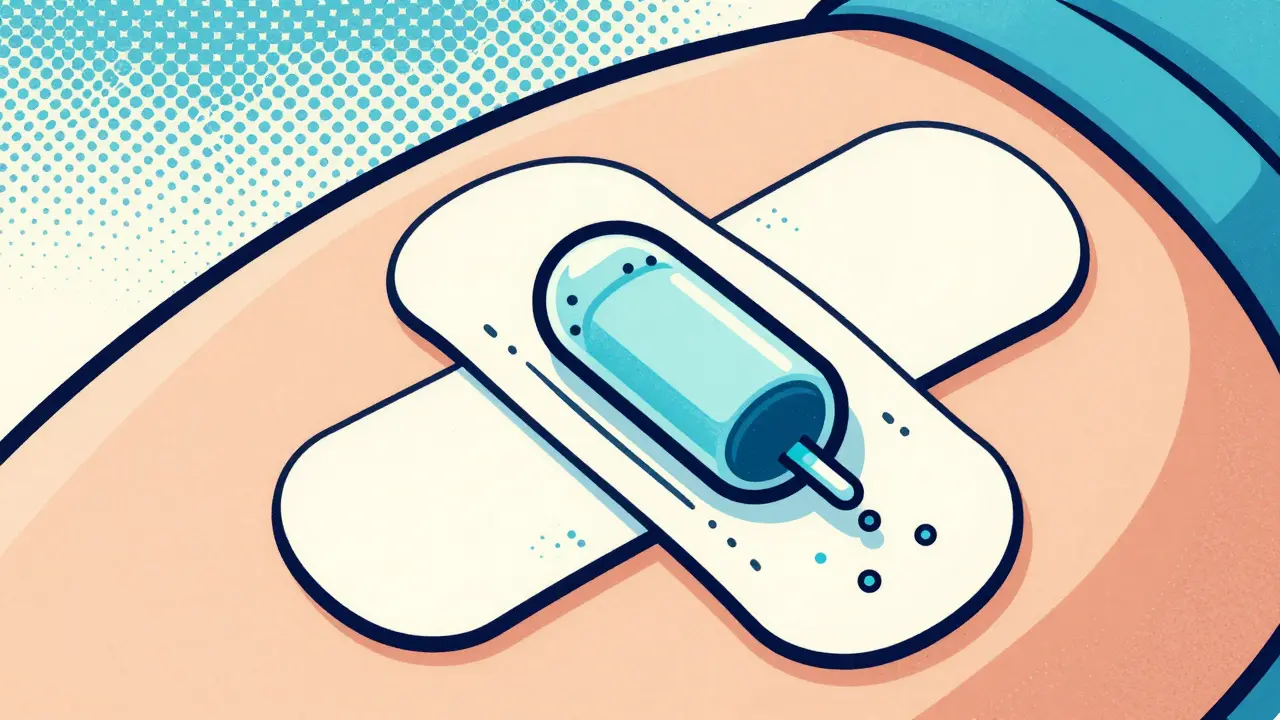
You might think a small sticker on your skin is harmless, but a Fentanyl Patch is one of the most potent medicines available today. It delivers a powerful opioid directly through your skin into your bloodstream. While it provides steady pain relief for chronic conditions, this delivery method comes with serious risks that you need to understand clearly. If used incorrectly, the same mechanism that eases pain can easily lead to life-threatening complications.
How the Fentanyl Patch Works
To understand the risks, you need to grasp how the patch functions. Unlike pills that give a quick peak and drop in medication levels, the patch releases drug over time. Transdermal SystemA device that delivers medicine through the skin over an extended period. It contains a reservoir of fentanyl citrate that diffuses through a rate-controlling membrane. This process creates stable blood concentrations, typically achieving steady state within 12 to 24 hours of application. Doctors prescribe these because they avoid the "ups and downs" of taking pills every few hours.
However, this stability is a double-edged sword. Because the patch keeps releasing medication continuously, even after you remove it, stopping abruptly feels much harder than stopping oral painkillers. The patch is designed to last 72 hours. During this time, your body absorbs the medication steadily. If you apply it to damaged skin or expose it to heat, the release speed changes drastically. The system does not have brakes; it simply pumps based on the gradient between the patch and your body.
Recognizing Overdose Symptoms
The most critical danger associated with these patches is accidental poisoning. Opioid OverdoseA severe condition caused by excessive intake of opioids leading to respiratory depression. You must spot the warning signs immediately because minutes matter. The American Addiction Centers note that fentanyl is 50 to 100 times more potent than morphine. Even a small fragment left over from a used patch can be fatal for someone who has built no tolerance.
If someone wearing the patch starts exhibiting certain physical changes, call emergency services immediately. Watch for difficulty breathing or unusually shallow breaths. Their pupils might shrink to pinpricks, or conversely widen significantly depending on the severity. Skin may turn cold, clammy, or take on a blue tint around the lips and fingernails. They might become extremely drowsy to the point where you cannot wake them up. Another sign is unusual snoring or a slow heartbeat. In some cases, the person appears relaxed and calm when they should not be. These are not normal side effects; they indicate respiratory distress.
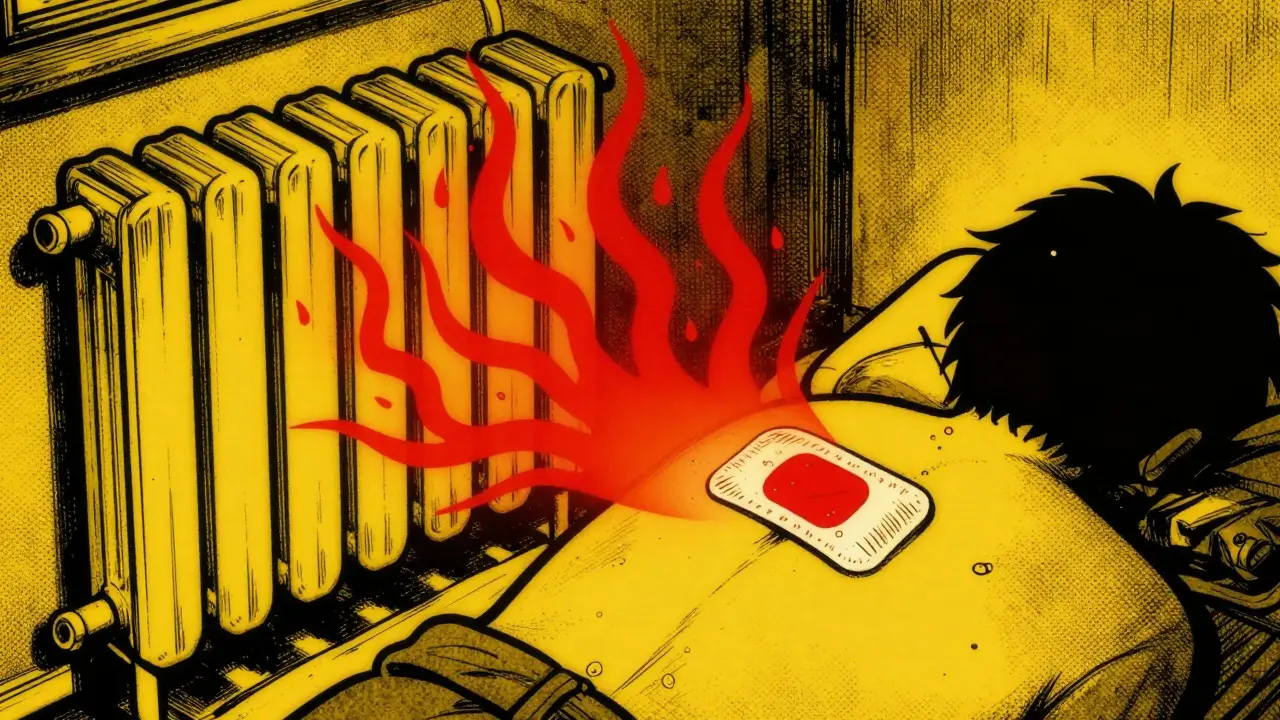
A major cause of these incidents involves temperature regulation. Heat sources accelerate the release of the drug from the patch. Using a heating pad, taking a hot bath, or even having a fever can push the body to absorb too much fentanyl too quickly. Medical records show numerous cases where external heat led to rapid toxicity. Keep any warm blankets away from the application site on the chest or shoulder.
| Symptom | Description |
|---|---|
| Breathing Issues | Slow, shallow, or stopped breathing |
| Mental State | Extreme sleepiness, unresponsiveness |
| Pupils | Pinpoint size or abnormally wide |
| Skin Condition | Cold, clammy, or blue discoloration |
Naloxone: The Rescue Medication
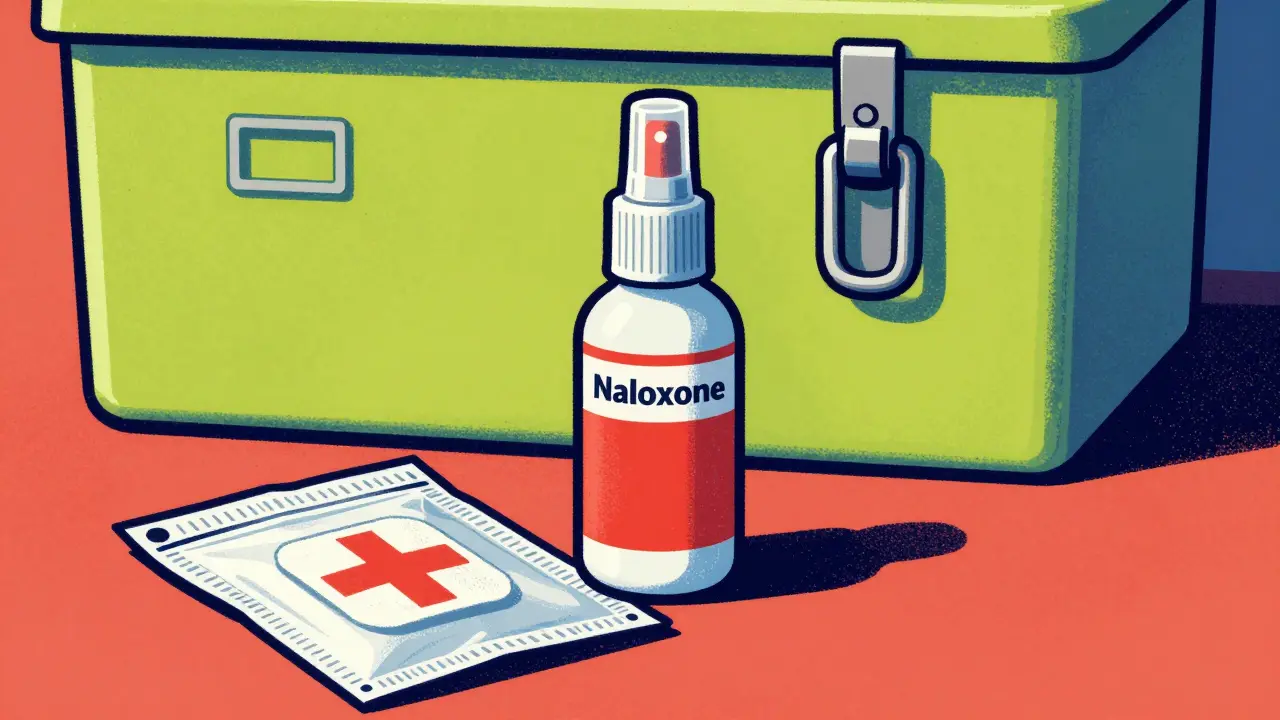
Because the risk of overdose is real, carrying an antidote is standard practice for many patients. NaloxoneA medication that rapidly reverses the effects of opioids, often sold under the brand name Narcan, blocks the opioid receptors in the brain. If you or a loved one is prescribed these patches, ask your doctor about having a supply on hand. The FDA updated guidelines in 2023 to suggest co-prescribing this reversal agent for patients at higher risk. It acts as a temporary life preserver until help arrives. You should place it near the phone in case of emergencies.
Using naloxone is simple: spray it into the nose or inject it according to the kit instructions. However, it lasts for a shorter period than the patch. Since the patch continues releasing medication, the patient may slip back into overdose once the rescue medicine wears off. Transporting the patient to the hospital remains necessary even after administering the antidote.
Understanding Withdrawal Risks
Stopping these patches suddenly causes a different set of problems. When a patient physically depends on the drug, their body adapts its chemistry. Removing the source of opioids triggers Opioid Withdrawal SyndromeA cluster of physical and emotional symptoms resulting from cessation of opioid use. The National Institute on Drug Abuse notes that while not always life-threatening, the experience is extremely uncomfortable and can be dangerous if dehydration occurs.
Symptoms usually start within 8 to 24 hours of removing the patch. Expect restlessness, yawning, and runny eyes. As time passes, muscle aches, chills, and sweating intensify. Your stomach may cramp severely, leading to nausea and vomiting. Some people experience anxiety, agitation, or insomnia. The timeline peaks between 36 to 72 hours after the last dose. For many, these symptoms persist for 7 to 10 days, sometimes lingering for weeks.
The key takeaway here is patience and medical supervision. The NHS explicitly warns against stopping without speaking to a doctor first. A sudden drop in dosage sends shock waves through your nervous system. Rapid tapering is equally problematic. You must lower the dose slowly. Reducing the dose by no more than 10% to 25% every week is a common protocol for patients on high doses. This gradual shift allows the brain to recalibrate its receptor sensitivity.
Safety Protocols for Children
One area requiring extreme vigilance involves children. Accidental exposure is a tragic reality. Between 1997 and 2012, health authorities documented 32 accidental pediatric deaths linked to patches. Used patches still contain active medication. They look like ordinary bandages or stickers. If a child touches a discarded patch and then puts fingers in their mouth, ingestion occurs instantly.
To prevent this, store patches out of reach. Never leave a used patch lying around on a counter or changing table. Fold the adhesive sides together tightly so nothing sticks to anything else. Dispose of them in the original pouch if available. Many pharmacies offer disposal bins specifically for controlled substances. Following strict disposal protocols saves lives. Remember, to a curious toddler, a sticky patch looks like candy.
Tapering Guidelines and Regulations
Governments monitor these medications closely. The FDA implemented a Risk Evaluation and Mitigation Strategy (REMS) for extended-release opioids starting in 2012. This program mandates education for prescribers and counseling for patients. Furthermore, the CDC restricts prescriptions to patients already tolerant to opioids. Specifically, you generally must have taken the equivalent of at least 60mg of morphine daily for a week before qualifying.
In the UK, NHSNational Health Service guidelines align with this caution. Your general practitioner will likely reduce the dose gradually so withdrawal symptoms do not occur. High doses require months to discontinue safely. Trying to rush this process increases the risk of returning to use due to unbearable discomfort. Doctors also warn that returning to old habits after a break in usage can be deadly. Tolerance decreases during abstinence, meaning a previously safe dose could now kill you.
If you need surgery while wearing a patch, tell the dental surgeon or operating team immediately. The background level of painkiller affects anesthesia needs. Coordination prevents interactions with other drugs. Always carry your prescription card or keep a log of when you applied the last patch. Communication with healthcare providers bridges the gap between home care and clinical treatment.
Can heat cause an overdose?
Yes, external heat sources like heating pads, hot baths, or fevers can increase the absorption rate of fentanyl through the skin, potentially causing toxic levels of the drug in the bloodstream.
How long does withdrawal last?
Withdrawal symptoms typically begin within 24 hours, peak at 36 to 72 hours, and generally continue for 7 to 10 days, though some feelings may last for a few weeks.
Is it safe to stop abruptly?
No, abrupt discontinuation is strongly discouraged. It can lead to severe withdrawal symptoms and uncontrolled pain. You must consult your doctor for a gradual tapering plan.
Where should I throw away old patches?
Fold the patch sticky-side together and flush it down the toilet if instructed by local guidelines, or use a community medication take-back box to prevent accidental exposure.
What should I do if I suspect an overdose?
Call emergency services immediately (911 or 999). Remove the patch if possible and administer Naloxone if prescribed. Continue monitoring breathing until help arrives.



10 Comments
Divine Manna
April 3 2026The mechanism of transdermal delivery is fascinating yet perilous. Most individuals overlook the gradient diffusion concept entirely. Heat application alters permeability significantly beyond expectations. Medical literature supports this thermal sensitivity clearly. You cannot rely on intuition when handling opioids. The reservoir system does not possess fail-safes for temperature spikes. Naloxone provides a temporary bridge rather than a permanent fix. Rebound toxicity is a documented phenomenon in clinical trials. Tolerance reduction during abstinence creates a dangerous trap. Former patients often forget their lowered threshold for dosage. Pediatric exposure statistics highlight the necessity of secure storage. Folded adhesive sides prevent accidental ingestion by curious hands. Community disposal bins offer a superior alternative to flushing. Regulatory bodies like the FDA monitor these risks actively. Patient education remains the cornerstone of safety protocols today.
Jenna Carpenter
April 4 2026i think uless ur careful u could die easily from this stuff
Heating pads are the main cause of overdoses i read online
Dont forget to throw away the old ones properly or kids eat em
My aunt had a patch burn her skin bad last summer
Doctors dont tell u everything bout how fast it works
Just stay alert and watch breathing constantly
sophia alex
April 5 2026OMG why is nobody screaming about this hazard!!! 😱💀
Hot baths are literally death traps right now 🛁🔥
We are all walking casualties waiting to happen honestly 😩
Please share this before someone dies!!!
Aysha Hind
April 6 2026Big Pharma loves pushing these without full disclosure
They want to addict the population to expensive treatments
Watch out for hidden agendas in the guidelines
The government tracks your usage through prescriptions
Stay vigilant against systemic control mechanisms
Rob Newton
April 7 2026People exaggerate the heat effect too much
Most deaths are due to theft or misuse not baths
Why punish responsible patients for this fear mongering
The risk is manageable if you follow instructions
Stop treating patients like criminals
Brian Shiroma
April 7 2026Ah yes, because taking a hot bath is definitely the worst part of life
Sure, let's add another thing to worry about besides actual pain management
Nothing screams modern medicine like a sticker that kills you instantly
Thanks for reminding us all we are fragile little things
Sakshi Mahant
April 9 2026It is important we listen to what the doctors recommend
Safety comes first for our families and ourselves
Understanding the signs helps save lives quickly
Let us support those managing chronic pain with care
Sharing knowledge prevents accidents in communities
Dipankar Das
April 10 2026Adherence to the guidelines is mandatory for safety
One must consult a physician before any discontinuation occurs
Rapid withdrawal poses significant physiological stress
Gradual tapering ensures nervous system recalibration effectively
Patients should maintain logs of their application dates strictly
Lawrence Rimmer
April 12 2026Pain is merely the mind perceiving chemical imbalance
Dependency shows the fragility of human biology itself
We struggle to find relief without sacrificing autonomy
True freedom lies in understanding the body limits
Withdrawal represents a return to primal suffering states
Vicki Marinker
April 14 2026This situation makes my stomach turn every single time.