
How to Build a Personal Medication Safety Plan with Your Care Team
Every year, one in five people receiving home care or home infusion therapy experiences a preventable adverse drug event. That’s not a small number. It’s someone’s parent, sibling, or neighbor - maybe even you. These events don’t happen because someone was careless. They happen because the system broke down - between prescriptions, labels, storage, and communication. But here’s the good news: you can stop that from happening. You don’t need to be a doctor. You just need a clear plan, and the right people helping you build it.
Start with a Complete Medication List
Before you do anything else, write down every single thing you take. Not just the prescriptions. Not just the ones you remember. Everything. That means:
- Prescription drugs - even ones you haven’t taken in weeks
- Over-the-counter pills - pain relievers, antacids, sleep aids
- Vitamins and supplements - multivitamins, fish oil, herbal teas
- Topical creams or patches - pain patches, steroid creams
Don’t guess. Look in your medicine cabinet. Check your pill bottles. Look at the receipts from the pharmacy. If you’re unsure whether something counts, include it. A medication safety plan is only as strong as its foundation - and that foundation is complete, accurate information.
Write it all down on paper. Don’t rely on your phone or memory. Keep a printed copy in your wallet or purse. Update it every time something changes - even if it’s just a new dose. The Alzheimer’s Association says this list is your most important tool. Why? Because when you go to the doctor or ER, they need to know what you’re taking. Missing even one supplement can lead to dangerous interactions.
Ask the Right Questions at Every Appointment
Doctors don’t always explain everything. Pharmacists are often the best resource - but they won’t know unless you ask. Go into every visit with your list in hand. Then ask:
- What is this medication for? (Don’t accept "for your condition" - be specific.)
- How often and when should I take it? (Morning? With food? Before bed?)
- What are the most common side effects? (And which ones mean I should call you?)
- Could this interact with anything else I’m taking?
- Is this still necessary? (Sometimes, meds are prescribed and never reviewed.)
Don’t be shy. If you don’t understand, say so. Ask them to explain it like you’re 12. If they roll their eyes, find someone else. The Innerspace Counseling guide says clear communication prevents 20% of all medication errors. That’s not luck. That’s science.
For example, a common mistake is mixing ibuprofen with blood thinners. You might not know it’s risky unless you ask. Or you might take a sleep aid that makes you dizzy - increasing your fall risk. The Humana guide specifically warns about fall risk with certain medications. That’s not a side effect you can ignore.
Label Everything Clearly
Here’s a real story: A woman in Birmingham kept her heart medication in an unlabeled bottle next to her bed. One morning, confused, she took two pills thinking they were her blood pressure pills. She ended up in the hospital. This happens more than you think.
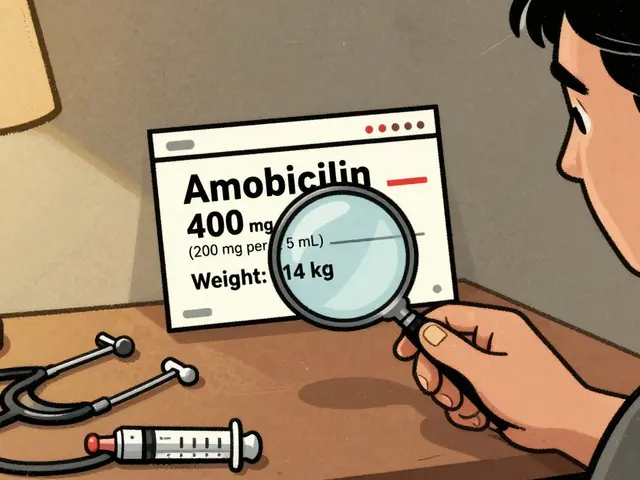
Every pill container - even the ones from the pharmacy - needs a clear, visible label. Include:
- Your full name
- The exact name of the medication
- Dosage (e.g., "5 mg")
- How often to take it (e.g., "Once daily at bedtime")
- Who prescribed it (doctor’s name)
- Emergency contact number
If the pharmacy label is too small, write it on a sticker. Use a permanent marker. Tape it to the bottle. If you’re visually impaired, ask for large-print labels. The FDA requires drug manufacturers to include prescribing information, but they don’t make it easy for you to read. So you have to make it readable.
Also, keep all medications in their original containers. Don’t dump pills into random jars. That’s how mix-ups happen. If you use a pill organizer, make sure the labels on the organizer match the bottles.
Store Medications Safely
Medications aren’t candy. They’re powerful chemicals. And they’re dangerous if they fall into the wrong hands - or if you take them by mistake.
Keep all prescriptions, including painkillers and psychiatric meds, in a locked cabinet or box. A simple lockbox from the hardware store works. Don’t leave them on the counter, in the bathroom, or in your purse. The Innerspace Counseling guide says this is critical for people with cognitive challenges, memory issues, or those at risk of overdose.
If you live with children or grandchildren, this isn’t optional. Even a single pill can be deadly to a child. If you have a history of substance use, lock them up - even if you’re not using now. Your future self will thank you.
Also, check expiration dates. Throw out anything old. Expired meds don’t just lose effectiveness - they can become toxic. Don’t flush them. Take them to a pharmacy that offers safe disposal.

Use a Pill Organizer and Stick to a Routine
Remember: your brain doesn’t always remember what it used to. That’s normal. A pill organizer isn’t a luxury - it’s a lifeline.
Buy a weekly or monthly pill box with separate compartments for morning, afternoon, evening, and bedtime. Fill it once a week. Make it part of your routine - like brushing your teeth. Set a phone alarm. Tie it to another habit - like eating breakfast.
Use simple language to help yourself. Instead of "Take 10 mg of lisinopril daily," think: "This pink pill is for my blood pressure. Take it after breakfast."
The Alzheimer’s Association recommends this approach for anyone with memory loss. But it helps anyone. If you’re juggling five meds, your brain is overloaded. A system takes the guesswork out.
Build a Monitoring System
Medication safety isn’t a one-time task. It’s ongoing. You need regular check-ins.
Set up appointments with your doctor or pharmacist every 3-6 months. Don’t wait until you feel sick. Bring your updated list. Ask: "Is this still working?" "Are there any new side effects I should watch for?" "Should anything be changed?"
Also, track how you feel. Keep a simple notebook. Note:
- Any new dizziness, nausea, or confusion
- Changes in sleep or mood
- Unexplained bruising or swelling
- Missed doses or accidental doubles
This isn’t fluff. This is data. Your care team needs it. One caregiver in a Reddit forum shared that her mother’s hip fracture was caused by a drug interaction - and they never noticed the dizziness until it was too late. That’s preventable.
Designate a Trusted Helper
Even the best plans can fail if you’re alone. Who will help you if you forget? Who will call the doctor if you’re confused?
Choose one trusted person - a family member, friend, or neighbor. Give them a copy of your medication list. Show them how your pill box works. Let them know what to do if you miss a dose or seem unwell.
The Innerspace Counseling guide says this is one of the most effective safety steps. You don’t need to be independent to be safe. You just need someone who knows what to do.

Prepare for Emergencies
What if you collapse? What if you’re taken to the ER? What if you can’t speak?
Keep your medication list in your wallet. Tape a copy to the inside of your front door. Give one to your emergency contact. Make sure your phone’s emergency contact info includes your meds.
Also, know the signs of a bad reaction: swelling, trouble breathing, extreme drowsiness, confusion, or a rash. If you feel this way, call 999. Don’t wait. Don’t assume it’s "just a side effect."
Who’s on Your Care Team?
You’re not alone in this. Your care team includes:
- Your primary doctor
- Your pharmacist
- Your specialist (cardiologist, neurologist, etc.)
- Your caregiver or family member
- Your nurse or home health aide
Make sure they all talk to each other. Ask your doctor to send a copy of your list to your pharmacist. Ask your pharmacist to alert your doctor about potential interactions. Use the same list everywhere. No exceptions.
The ASHP says medication safety requires an interdisciplinary approach. That means everyone has a role. Your job is to make sure they’re all on the same page.
Why This Works
Studies show that structured medication safety plans reduce preventable adverse events by up to 70%. That’s not magic. It’s system. It’s clarity. It’s communication.
Every step - from labeling to checking in - is backed by evidence. The Institute for Safe Medication Practices says 50-60% of errors come from prescribing and monitoring failures. Another 20% come from patient-carer miscommunication. That’s almost 80%. You can fix that.
It’s not about being perfect. It’s about being prepared. You don’t need to memorize everything. You just need a plan. And people who know how to follow it.
What if I can’t remember all my medications?
Start by writing down what you can. Then call your pharmacy. They can print a full list of everything you’ve filled in the last year. Bring that to your next appointment. You don’t need to remember everything - just get the facts.
Can I use a smartphone app instead of paper?
Apps can help, but they’re not foolproof. If your phone dies, or you can’t find it during an emergency, you’re stuck. Use an app as a backup, but always carry a printed copy. The Alzheimer’s Association recommends paper for people with memory issues because it’s reliable.
What should I do if I accidentally take the wrong pill?
Don’t panic. Call your pharmacist or NHS 111 immediately. Have your medication list ready. Even if you feel fine, some reactions take hours to show. Never wait to see if you "feel okay."
How often should I update my medication list?
Update it every time something changes - a new prescription, stopping a drug, starting a supplement. At minimum, review it every six months. Many people forget about supplements, so check those twice a year.
Is it okay to ask my pharmacist to check for interactions?
Yes - and you should. Pharmacists are trained to spot dangerous combinations. Ask them every time you get a new prescription. Even if your doctor says it’s fine, a second opinion saves lives. The ASHP says pharmacists are key to reducing preventable errors.
Next Steps
Start today. Not tomorrow. Not next week.
- Grab a pen and paper. Write down every medication you take.
- Call your pharmacy and ask for your full list.
- Label all pill bottles with your name, dosage, and instructions.
- Lock up your meds in a secure box.
- Find one person to help you - and give them a copy of your list.
- Schedule a 15-minute check-in with your doctor or pharmacist this month.
These six steps cut your risk of a dangerous medication error by more than half. You don’t need permission. You don’t need to wait for a crisis. You just need to act.



8 Comments
Joanna Reyes
February 26 2026I’ve been managing my mom’s meds for three years now, and let me tell you - this post nails it. The thing nobody talks about is how exhausting it is to keep track of every pill, every interaction, every change in dosage. I used to rely on my phone app, but when her phone died during a doctor’s visit, we were screwed. Now? Printed list in her purse, another taped to the fridge, and a third in my own wallet. It’s annoying, yes - but it’s saved us from at least two ER trips already. I also started labeling every bottle with a Sharpie and a piece of clear packing tape. The pharmacy labels? Useless. Too small, faded, or just plain wrong. If you’re caring for someone, do this. Don’t wait until it’s too late.
Also - lock the meds. Even if you think your kid is ‘too smart’ to touch them. One time, my 7-year-old found a bottle of oxycodone that had been left on the nightstand. ‘It looked like candy,’ he said. I cried for an hour. Don’t be that person. Lock. It. Up.
And yes - ask the pharmacist. Every. Single. Time. They know more than your doctor sometimes. My pharmacist caught a deadly interaction between my mom’s blood thinner and a common herbal supplement she’d been taking for ‘joint health.’ She didn’t even realize it was a drug. We stopped it. She’s still here. Thank you, pharmacist.
This isn’t just advice. It’s survival.
Stephen Archbold
February 28 2026bro this is so true i was just telling my aunt last week about how her meds were all over the place - one bottle in the bathroom, one in the kitchen, one in her purse, and she’d just take whatever looked like it might be the right color. i helped her label everything with big letters and a sticky note that says ‘DO NOT TAKE WITHOUT BREAKFAST’ on the ones that need food. she cried. not because she was upset - because she finally felt like she wasn’t alone. also, get a pill organizer. even if you’re ‘fine’ now. your future self will hug you. ps: i spelled ‘meds’ wrong like 3 times in this comment. forgive me. i’m typing on my phone while my dog steals my socks.
Nerina Devi
March 1 2026As someone who moved from India to the U.S. and had to navigate the healthcare system alone, this post is a lifeline. In my home country, families manage meds together - someone always remembers, checks, or reminds. Here? I was on my own. No one asked if I understood the instructions. No one checked if I could read the label. I once took a double dose of my blood pressure pill because the bottle said ‘take once daily’ and I thought it meant ‘once a day’ - not realizing it was meant to be taken in the morning. I ended up in a clinic with a pounding headache. Since then, I write everything in Hindi and English on sticky notes. I put one on my mirror. One on my coffee maker. One in my purse. My daughter says I’m obsessive. I say I’m alive. This isn’t about being perfect. It’s about being stubborn enough to survive. If you’re reading this and you’re alone - you’re not. Reach out. Ask for help. Someone will give it.
Dinesh Dawn
March 1 2026man i just started helping my grandpa with his meds and holy smokes this is a whole job. i thought it was just about popping pills, but nope - there’s paperwork, labels, locks, alarms, lists, checklists, emergency contacts, and a whole system. i’m not even mad. it’s kind of cool how much care goes into this. i made him a little chart with emojis: 💊 for pills, ⏰ for time, 🚫 for ‘don’t mix,’ and 🤝 for ‘call someone if confused.’ he laughs at it. but he uses it. that’s what matters. also, i found out he was taking his heart med with grapefruit juice. nope. stopped that. he’s still alive. and so am i. thanks for the guide. it’s simple. it’s real. it works.
Vanessa Drummond
March 2 2026Ugh. I hate how this post makes me feel guilty. Like, yeah, I know I should label my meds. I know I should lock them. I know I should update the list. But I’m tired. I’m 62. I have arthritis. I have three kids who won’t call back. I have a cat who knocks over my pill organizer. I have a pharmacist who talks to me like I’m a child. So what? Am I supposed to become a full-time pharmacist just to stay alive? I didn’t sign up for this. I just wanted to take my damn pills and not die. And now I’m supposed to be an organizer, a detective, a documentarian? Fine. I’ll do it. But don’t act like this is easy. It’s not. It’s exhausting. And nobody talks about how lonely it is to be the only one who cares enough to do it right.
Nick Hamby
March 2 2026The structural integrity of a personal medication safety plan rests not on individual vigilance, but on systemic redundancy. What this article describes - the printed list, the labeled containers, the locked storage, the designated helper - is not merely a set of best practices, but an emergent system of resilience against cognitive, environmental, and institutional failure. We are not merely managing drugs; we are engineering fail-safes for human frailty. The fact that 70% of adverse events are preventable suggests that the current paradigm is not broken - it is simply unimplemented. The burden of implementation, however, has been disproportionately placed on the patient, who is often the least equipped to bear it. We must move from individual responsibility to institutional accountability. Pharmacies should auto-generate and update digital lists linked to EHRs. Clinics should require a ‘medication reconciliation’ visit every 90 days. Insurance providers should reimburse for pill organizers and lockboxes as medical devices. Until then, yes - do all of this. But know this: you are not failing if you forget. The system is.
kirti juneja
March 3 2026OMG this is the most beautiful, practical, no-nonsense guide I’ve ever read. I’ve been a nurse for 22 years and I’ve seen so many people - old, young, rich, poor - get tripped up by meds. I’ve had patients take insulin and then eat a banana because they thought it was ‘for energy.’ I’ve seen grandparents take four different painkillers at once because they didn’t know they were all the same thing. This post? It’s like a warm hug from someone who actually gets it. I’ve started handing out laminated copies of this to my patients. I tell them: ‘This isn’t just advice. This is your armor.’ I even made a little poster with a big red heart and the words: ‘Your life is worth the extra five minutes.’ One man cried and said, ‘I didn’t know I mattered enough to do all this.’ You do. You do. You do. And if you’re reading this and you’re scared? Do one thing today. Just one. Write one pill down. Label one bottle. Call one person. That’s your victory. That’s your power.
Haley Gumm
March 4 2026Look - I get the sentiment. But let’s be real. This whole ‘personal medication safety plan’ thing is just a fancy way of saying, ‘You’re on your own.’ The system doesn’t care. Pharmacies don’t offer large-print labels unless you beg. Doctors don’t review meds unless you schedule a separate appointment. And don’t get me started on insurance denying pill organizers as ‘non-essential.’ This isn’t empowerment. It’s gaslighting. They tell you to ‘take control’ while making it impossible to do so. So yeah - label your bottles. Lock your meds. Call your pharmacist. But don’t pretend this is a solution. It’s a Band-Aid on a hemorrhage. And if you’re lucky enough to have time, money, family, and cognitive capacity to do all this? Congratulations. Most people don’t. And that’s the real problem.