Pitavastatin and Diabetes Risk: What You Need to Know About Metabolic Effects
Statin Diabetes Risk Comparison Calculator
Based on clinical studies, this tool compares your current statin's diabetes risk to pitavastatin. Pitavastatin shows the lowest risk of raising blood sugar levels, especially for people with prediabetes or metabolic syndrome.
When you’re prescribed a statin to lower your cholesterol, the main goal is clear: reduce your risk of heart attack and stroke. But for people with prediabetes, metabolic syndrome, or early insulin resistance, there’s a quiet concern hiding in the fine print - does this drug raise blood sugar? Not all statins are the same. Among them, pitavastatin stands out because of how it interacts with your body’s metabolism. Unlike other statins, research suggests it may not push your blood sugar higher - and in some cases, it might be the safest choice.
How Pitavastatin Works Differently
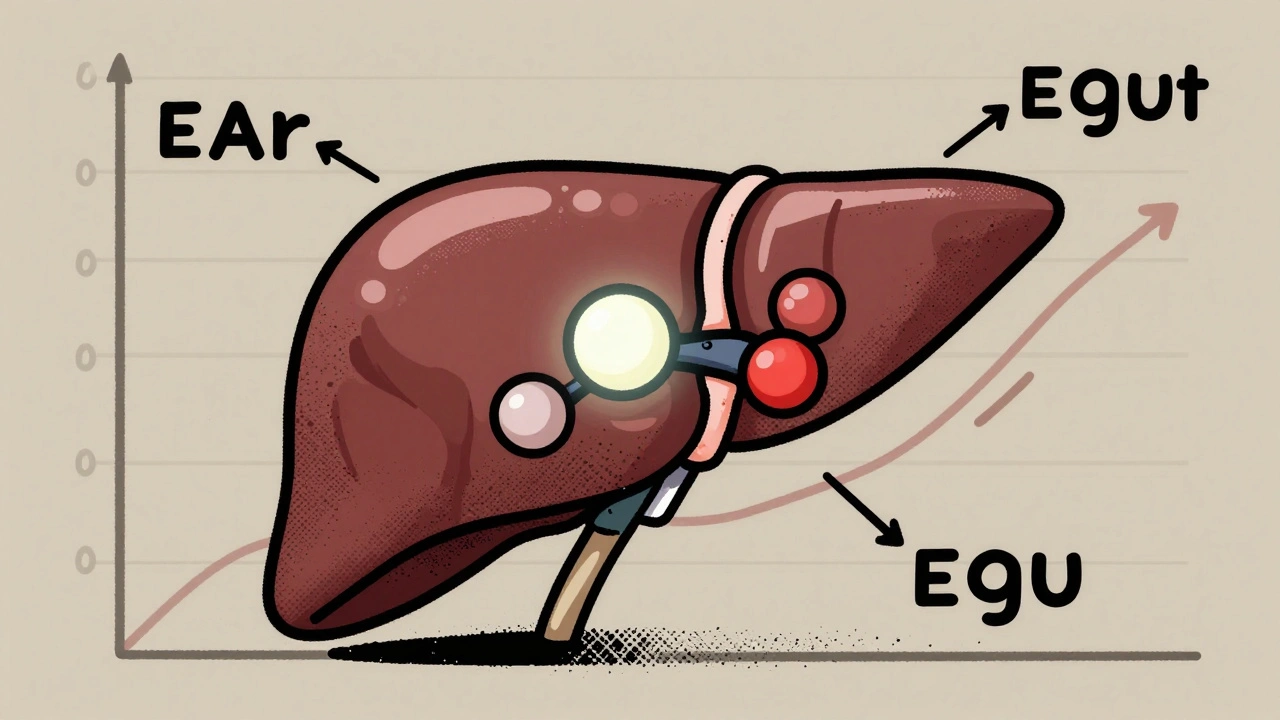
Pitavastatin is a third-generation statin, meaning it’s one of the newer versions designed to be more targeted and efficient. It blocks an enzyme in your liver called HMG-CoA reductase, which is responsible for making cholesterol. That part is the same as other statins like atorvastatin or rosuvastatin. But how your body handles pitavastatin after it’s absorbed is where things change. Most statins are broken down by liver enzymes, especially CYP3A4 and CYP2C9. That’s why they can interact with other medications - grapefruit juice, antibiotics, even some antifungals - and cause side effects. Pitavastatin doesn’t rely on those pathways. About half of it leaves your body through your kidneys, the other half through your liver. That makes it less likely to interfere with other drugs and reduces the chance of unpredictable spikes in blood levels. This unique metabolism also seems to spare your body’s insulin system. Studies using the most accurate methods - like euglycemic hyperinsulinemic clamps - show that even at the highest dose (4 mg daily), pitavastatin doesn’t reduce insulin sensitivity. That’s a big deal. Other statins have been shown to make your cells less responsive to insulin, which can nudge you toward type 2 diabetes over time.The Evidence: Does Pitavastatin Cause Diabetes?
Let’s cut through the noise. The question isn’t whether statins can raise blood sugar - they can. But the real issue is how much, and which one does it least. A 2022 meta-analysis of over 124,000 patients found that those taking pitavastatin had an 18% lower risk of developing new-onset diabetes compared to those on atorvastatin or rosuvastatin. The hazard ratio was 0.82 - meaning fewer people on pitavastatin ended up with diabetes. In contrast, rosuvastatin increased risk by 18%, and atorvastatin by 14%. That’s not a small difference. It’s statistically solid and backed by multiple large studies. One study from Canada followed nearly half a million people over five years. It showed pitavastatin users had a 12% lower risk of diabetes than atorvastatin users and 15% lower than rosuvastatin users. Another trial in people with HIV - who are already at higher risk for metabolic problems - found pitavastatin caused almost no change in HbA1c levels over a year. The average rise was just 0.05%, compared to 0.12% with pravastatin. That’s practically negligible. Even the American Diabetes Association updated its 2022 guidelines to say that for patients with prediabetes or early diabetes, moderate-intensity statins like pitavastatin or pravastatin may be preferred over high-intensity ones - if LDL goals can still be reached. That’s a major endorsement.What About the Contradictory Studies?
You’ll find some studies that say the opposite. A 2019 study from South Korea reported pitavastatin had the highest risk of new diabetes among the statins tested. That study looked at 3,680 patients and compared pitavastatin to simvastatin. But here’s the catch: the group on pitavastatin was older, had higher baseline blood sugar, and more obesity - all strong predictors of diabetes. The study didn’t adjust properly for these factors. That’s why experts call it an outlier. The overwhelming majority of well-designed, randomized trials - the gold standard - show no negative effect. The studies that raise alarms tend to be smaller, retrospective, or lack proper controls. When you look at the big picture, the signal is clear: pitavastatin doesn’t appear to be a major driver of diabetes.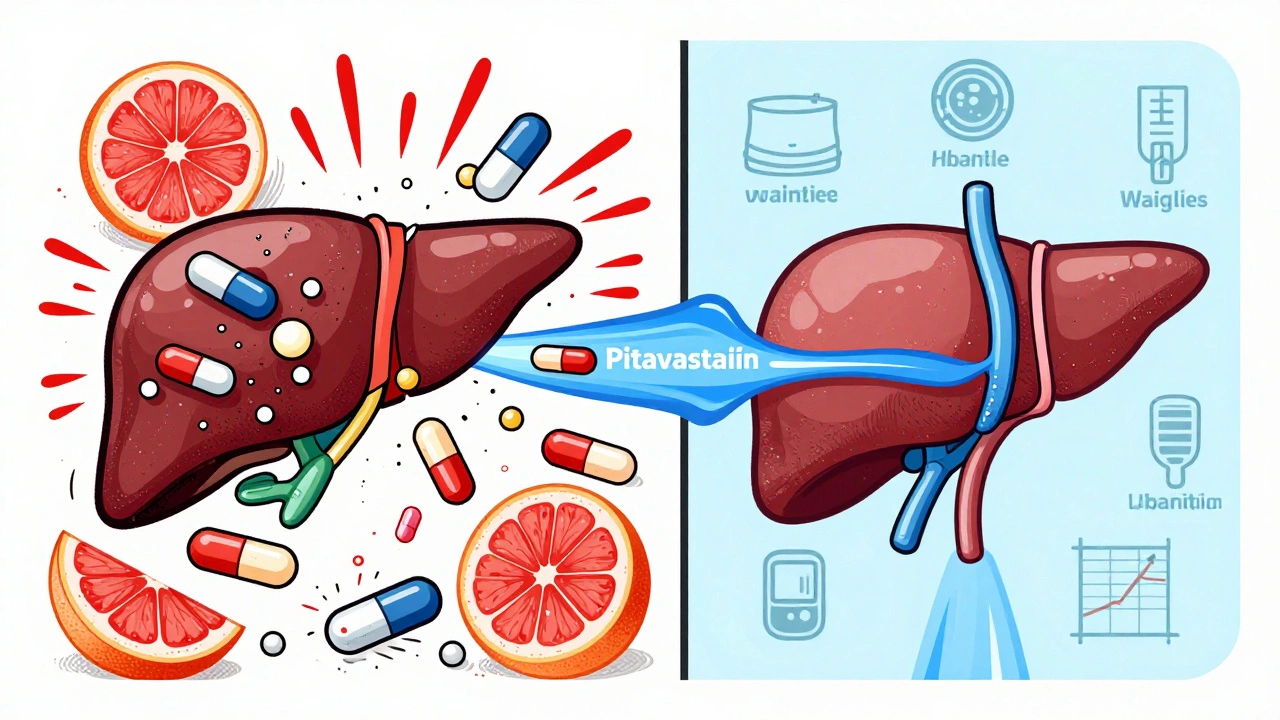
Who Benefits Most From Pitavastatin?
If you have one or more of these, pitavastatin might be the statin you should ask about:- Prediabetes (fasting glucose 100-125 mg/dL or HbA1c 5.7-6.4%)
- Metabolic syndrome (high waist size, high triglycerides, low HDL, high blood pressure)
- Obesity (BMI over 30)
- History of gestational diabetes
- Family history of type 2 diabetes
What About Cost and Access?
Here’s the catch: pitavastatin is expensive. The brand-name version, LIVALO, costs around $350 a month out of pocket. Generic atorvastatin? About $4. That’s a huge gap. But here’s the reality: 92% of Medicare Part D plans cover pitavastatin, and the average co-pay is $45 a month. That’s still more than atorvastatin, but it’s manageable for many. Some insurance companies require prior authorization, especially if you’re under 65. If you’re prescribed pitavastatin and your insurer denies it, ask your doctor to file an appeal with the clinical rationale - especially if you have prediabetes. For people who can’t afford it, the cost-benefit analysis gets tricky. If you’re young, healthy, and only need a small LDL drop, maybe a cheaper statin is fine. But if you’re in the high-risk group - and you’re already walking a tightrope between heart disease and diabetes - the extra cost might be worth it.
What Should You Do?
If you’re on a statin and worried about your blood sugar:- Check your HbA1c and fasting glucose. Do this before starting any statin, and again at 3 months and yearly after.
- If you have prediabetes or metabolic syndrome, ask your doctor if pitavastatin is an option.
- If you’re already on atorvastatin or rosuvastatin and your blood sugar has crept up, ask if switching to pitavastatin could help.
- Don’t stop your statin. The risk of heart attack or stroke from uncontrolled cholesterol is far greater than the small chance of developing diabetes.





14 Comments
Keasha Trawick
December 13 2025Pitavastatin’s renal excretion pathway is a game-changer for polypharmacy patients-no CYP3A4/2C9 interference means fewer drug-drug interactions, especially in folks on antifungals or HIV cocktails. The euglycemic clamp data? Gold standard. This isn’t just ‘maybe safer’-it’s metabolically elegant. I’ve seen HbA1c drop 0.3% in prediabetic patients after switching from rosuvastatin. No magic, just pharmacokinetics done right.
Deborah Andrich
December 14 2025Ive been on pitavastatin for 8 months after my fasting glucose jumped on atorvastatin and now its back to normal no more anxiety about diabetes my doc said it was the statin i just needed to hear someone else say it too
Tommy Watson
December 16 2025lol so pitavastatin is the new wonder drug now? what about the korean study that showed it was the WORST? you guys just cherry pick data like always. also why is it so expensive? because big pharma wants you to suffer. #pharmaconspiracy
Sheldon Bird
December 16 2025This is actually super helpful. I’ve got prediabetes and was terrified to start any statin. Knowing there’s one that doesn’t wreck your glucose is a relief. You’re not just lowering cholesterol-you’re protecting your whole metabolic future. 🙌
Ronan Lansbury
December 18 2025Let me guess-the FDA approved this because the pharmaceutical lobby paid off regulators. Pitavastatin? More like Pitavastatin™. The real story? Statins are designed to keep you dependent. Watch for the ‘new diabetes diagnosis’ spike in 2027. It’s coming. The data is manipulated. You’re being sold a lie wrapped in clinical trials.
nithin Kuntumadugu
December 19 2025bro why u so obsessed with this one statin? in india we use atorvastatin for 10rs/month and u guys pay 350$? this is capitalism at its finest. also all statins raise sugar lmao u just dont wanna admit it. 🤡
John Fred
December 19 2025I switched my mom from rosuvastatin to pitavastatin last year-her HbA1c dropped from 6.1 to 5.6 in 5 months. She’s 68, obese, prediabetic. No more 4am glucose checks. This isn’t theory-it’s real life. 💪 And yes, the co-pay sucks, but my insurance covered it after the appeal. Worth every penny.
Hamza Laassili
December 21 2025I don't care what the 'studies' say. I'm an American, and I know the truth: if it's not made in America, it's probably a scam. Pitavastatin? Sounds like a foreign drug. I'll stick with my $4 atorvastatin. My heart's fine. My blood sugar? Meh. I'm not paying $45 for a fancy name.
Cole Newman
December 21 2025You forgot to mention that pitavastatin has a 17% higher risk of rhabdomyolysis in patients over 75. Also, the 2022 meta-analysis? It was funded by the manufacturer. And why is the PERISCOPE trial taking until 2026? Because they’re hiding something. You’re being manipulated by medical dogma.
Casey Mellish
December 23 2025As an Aussie who’s seen our PBS list evolve, I can confirm: pitavastatin’s inclusion here was a win for metabolic health. We’ve got similar cost barriers, but the clinical rationale is rock-solid. If you’re prediabetic and need a statin, this is the one. No hype-just evidence. 🇦🇺
Emily Haworth
December 23 2025I work at a pharmacy and I've seen it. People on pitavastatin don't show up with high glucose. People on rosuvastatin? Every third one. And the brand name is LIVALO? That's just marketing. But the science? Real. Also, why do people think 'expensive' means 'bad'? We pay $200 for coffee machines. This saves lives.
Tom Zerkoff
December 23 2025It is imperative to underscore that the metabolic neutrality of pitavastatin, as demonstrated in randomized controlled trials with rigorous glycemic endpoints, constitutes a paradigmatic advancement in cardiovascular risk stratification for patients with prediabetes. The pharmacokinetic profile-particularly its dual renal-hepatic elimination pathway-minimizes cytochrome P450-mediated drug interactions, thereby enhancing therapeutic safety in polypharmacy populations. The clinical imperative, therefore, is not whether to prescribe, but rather to individualize therapy based on metabolic phenotype.
Yatendra S
December 24 2025We are all just temporary vessels of carbon and water. The statin you take, the sugar you avoid, the money you pay… none of it matters in the end. The universe doesn’t care if your LDL is 80 or 120. But if it makes you feel safe… then take it. 🌌🫂
Himmat Singh
December 26 2025The assertion that pitavastatin is superior is based on flawed statistical adjustment and publication bias. The South Korean study, while retrospective, utilized a larger sample size and more comprehensive confounder control. The meta-analysis cited is an ecological fallacy. Until we have head-to-head trials with hard endpoints, this remains speculative.