Planning for Patent Expiry: What Patients and Healthcare Systems Need to Do Now
When a drug’s patent runs out, the price doesn’t just drop-it crashes. For patients, that can mean paying 80% less for the same medicine. For hospitals and insurers, it’s a chance to save millions. But here’s the catch: patent expiry doesn’t happen overnight, and if you’re not ready, the transition can hurt more than help.
Why Patent Expiry Matters to You
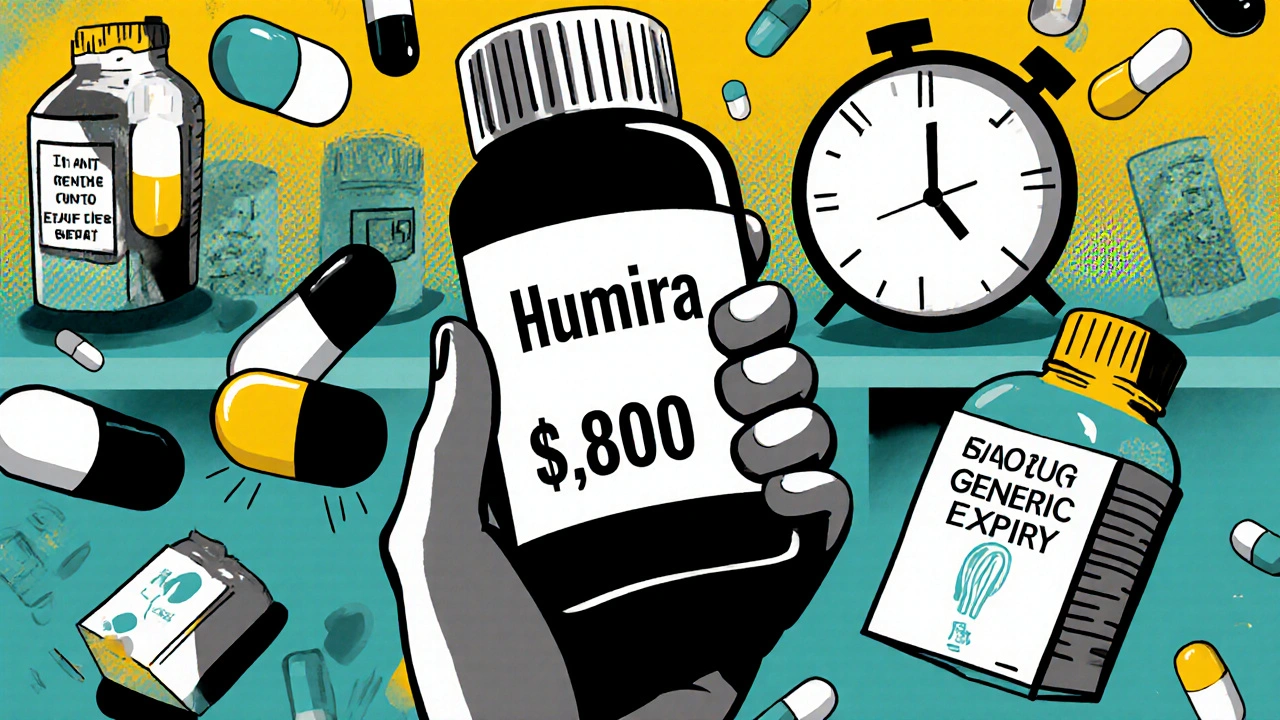
If you take a brand-name drug like Humira, Enbrel, or Lipitor, you’ve probably paid hundreds or even thousands of dollars a year for it. That’s because the company that made it had exclusive rights to sell it-usually for 20 years from the patent filing date. But by the time it hits the market, regulatory reviews eat up 7 to 10 years. So you’re really paying high prices for only about a decade. When that patent expires, generic versions flood in. These aren’t cheap knockoffs-they’re exact chemical copies, approved by the FDA to work the same way. Within a year, generics usually cost 80-85% less. For a drug that used to be $5,000 a month, that’s now $800. That’s life-changing money for someone on a fixed income. But here’s what most people don’t realize: the brand-name company won’t just walk away. They’ve spent years building patent thickets-dozens of secondary patents on tiny changes like new pill coatings, delayed-release formulas, or combo pills. These aren’t new medicines. They’re legal tricks to delay generics. In fact, nearly 80% of the top 100 selling drugs have more than 20 patents each.What Happens When the Patent Expires?
Once the main patent falls, generic manufacturers rush in. The first one gets 180 days of exclusive rights to sell their version. That’s why you’ll often see two or three generic brands appear at once, all priced differently. The competition drives prices down fast. But not all drugs are created equal. Small-molecule drugs-like statins, blood pressure meds, or antidepressants-are easy to copy. Their generics hit the market quickly, and prices drop hard. Within 12 months, 90% of prescriptions switch to generics. Cardiovascular drugs? Almost all become generic. Patients rarely notice a difference. Biosimilars? That’s a different story. Drugs like Humira, Enbrel, and Rituxan are made from living cells. They’re complex, expensive to produce, and hard to replicate. Even after the patent expires, it takes years for biosimilars to appear. And when they do, they’re only 20-40% cheaper-not 80%. Only 38% of biologic prescriptions switch to biosimilars within two years. Many doctors are still hesitant. Many patients are scared to switch.How Healthcare Systems Should Prepare
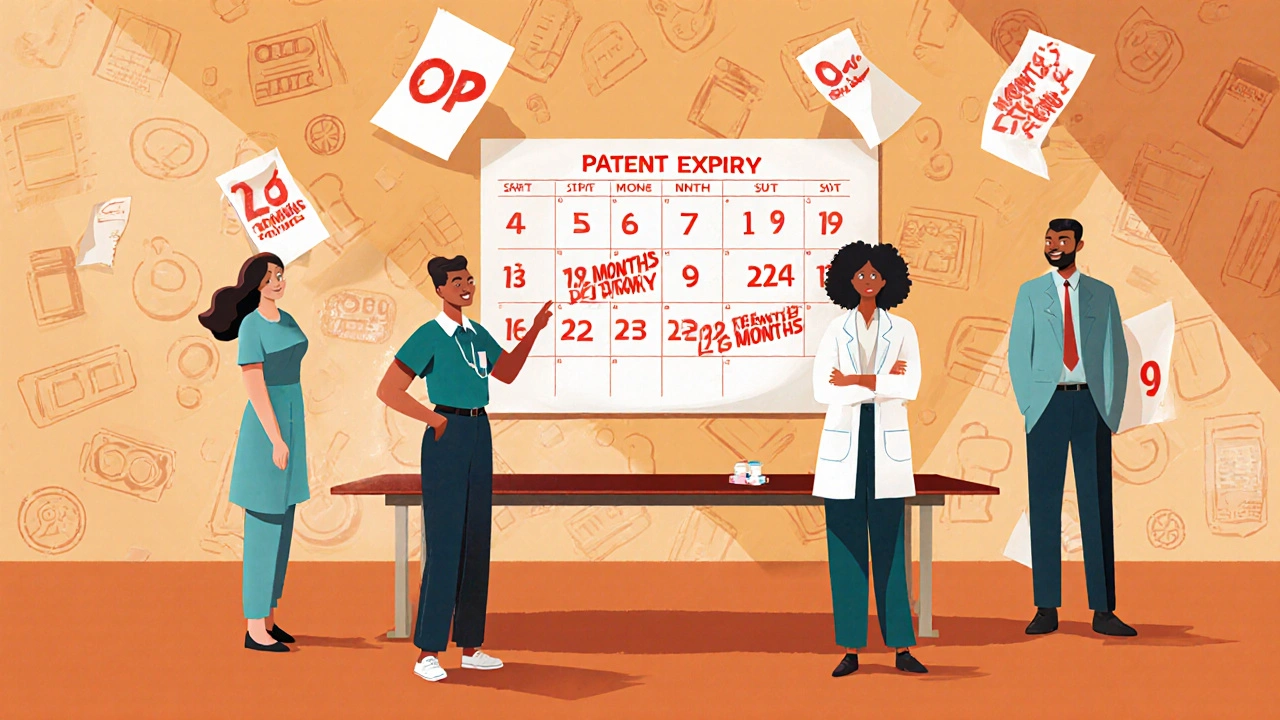
Hospitals, insurers, and pharmacy benefit managers (PBMs) can save millions-if they plan ahead. But too many wait until the last minute. The most successful systems start planning 24 months before a patent expires. They form teams: pharmacists, doctors, finance staff, and contract negotiators. They track every single patent expiry date. In the U.S. alone, over 1,400 expire each year. Here’s what they do:- 18 months out: They check which generics are coming. Are they approved? Are they complex? Will there be delays?
- 12 months out: They negotiate with suppliers. They lock in the best possible price for the generic version before it hits the market.
- 9 months out: They update clinical guidelines. They tell doctors: ‘This drug is now available as a generic. Switch unless there’s a medical reason not to.’
- 6 months out: They prepare patient letters. They train pharmacists. They make sure people know what’s changing and why.
What Patients Should Do
You don’t need to be a pharmacist to protect yourself. Here’s what you can do:- Know your drug’s patent status. If you’re on a brand-name drug, ask your pharmacist: ‘When does the patent expire?’ You can also check the FDA’s Orange Book online.
- Don’t panic when your prescription changes. Your insurance might switch you to a generic without asking. That’s normal. But if you’ve had side effects before, speak up. Not all generics are identical in inactive ingredients. One might have a different filler that causes stomach upset.
- Ask for the cheapest option. Generics come in different brands, each with different prices. Your pharmacy might stock three versions. Ask which one your plan covers best.
- Don’t assume biosimilars are the same as generics. If you’re on a biologic, your doctor might need to approve the switch. Don’t be afraid to ask questions. Ask: ‘Is this biosimilar right for me? Has it been used successfully in patients like me?’
- Track your symptoms. If you switch and feel worse-fatigue, rash, dizziness-call your doctor. It’s not always the drug. But it’s worth checking.
The Big Picture: Why This Matters Now
We’re in the middle of the biggest patent cliff in history. Between 2025 and 2029, over $90 billion in drug sales will lose patent protection. Immunology, neuroscience, and oncology drugs are the biggest targets. That means millions of people will see their bills drop-or their care disrupted. In Europe, prices crash fast because systems use reference pricing: if a generic is available, the brand can’t charge more than it. In the U.S., it’s messier. Rebates, formulary tiers, and insurer negotiations slow things down. Prices drop, but not as fast. That’s why U.S. patients often pay more longer. The Inflation Reduction Act is starting to change that. Starting in 2026, Medicare will negotiate prices for some drugs right after patent expiry. That could force even faster price drops. And there’s new pressure on drugmakers. The FTC cracked down on ‘pay-for-delay’ deals-where brand companies pay generics to hold off entering the market. Those deals dropped 35% in 2023. That’s good news.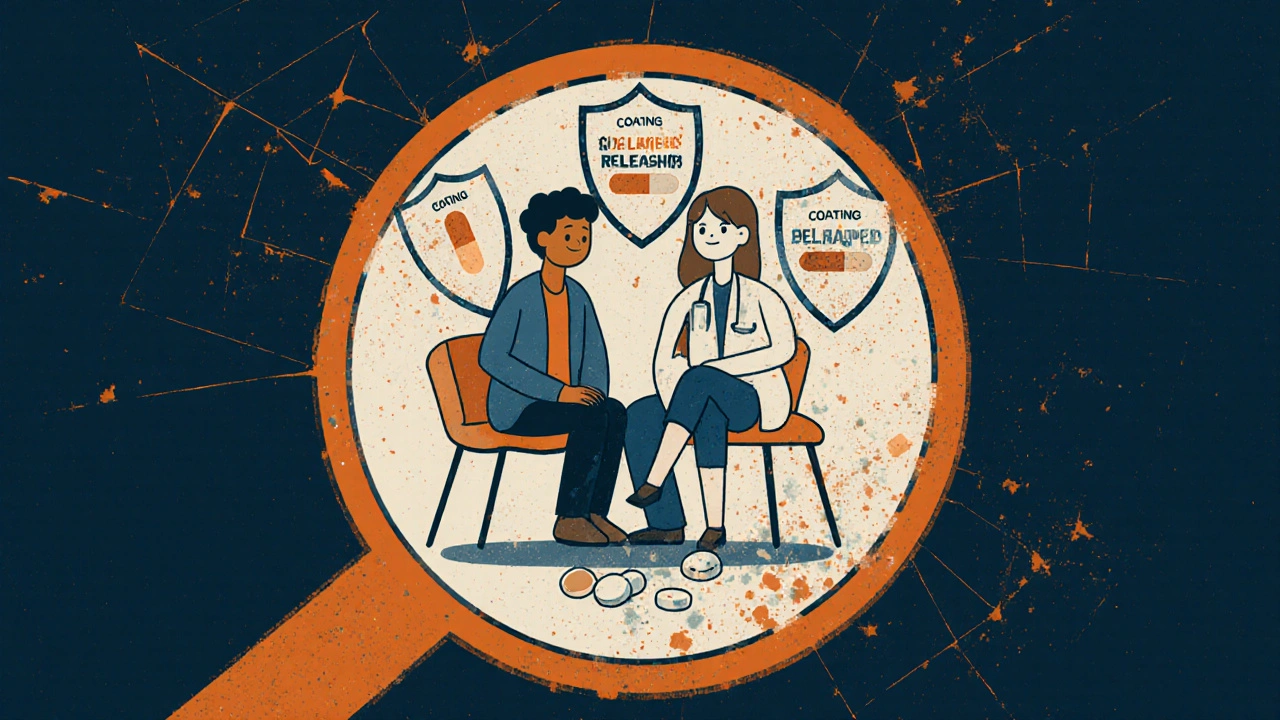
What’s Coming Next
The next wave is gene therapies and advanced biologics. These aren’t pills. They’re one-time treatments costing $1 million or more. Their patents are newer, and their expiry timelines are unclear. Regulators are still figuring out how to handle them. Meanwhile, AI tools are helping systems predict patent expirations more accurately. Where old methods were 65% right, new AI tools are hitting 89%. That means fewer surprises. But the real win? When patients and systems work together. When doctors, pharmacists, and patients talk openly about switching. When insurers don’t hide the true cost of a drug behind complex rebates. When policy makers keep closing loopholes. Patent expiry isn’t just a legal event. It’s a health event. It’s a financial event. And if you’re not prepared, you’re leaving money-and maybe your health-on the table.Quick Checklist for Patients
- ✅ Know the name of your drug and whether it’s brand or generic
- ✅ Ask your pharmacist: ‘When will a generic be available?’
- ✅ If switching, monitor for side effects for 2-4 weeks
- ✅ Ask for the lowest-cost generic option
- ✅ Don’t refuse a switch without talking to your doctor
Quick Checklist for Healthcare Providers
- ✅ Track all upcoming patent expirations using a reliable database
- ✅ Start planning 24 months before expiry
- ✅ Build a cross-functional LOE team (pharmacy, finance, clinical)
- ✅ Update prescribing guidelines 9 months before expiry
- ✅ Educate patients 6 months before switch
- ✅ Negotiate contracts with suppliers before generics launch
What happens to the price of a drug after its patent expires?
After a patent expires, generic versions enter the market and prices typically drop by 80-85% within the first year. For small-molecule drugs, competition drives prices down fast. Biosimilars for complex biologics see slower price drops, usually 20-40% in the first year.
Can I be switched to a generic without my doctor’s approval?
Yes, in most cases. Insurance plans and pharmacies often switch patients to generics automatically to save money. But if your doctor wrote ‘Dispense as Written’ or ‘Do Not Substitute’ on the prescription, the pharmacist must follow that. Always check your prescription label and ask if you’re unsure.
Are generics as safe and effective as brand-name drugs?
Yes. The FDA requires generics to have the same active ingredient, strength, dosage form, and route of administration as the brand. They must also be bioequivalent-meaning they work the same way in the body. However, inactive ingredients (fillers, dyes) can differ, and these sometimes cause minor side effects like stomach upset or rashes in sensitive patients.
Why do some biosimilars take so long to become available?
Biosimilars are made from living cells, not chemicals, so they’re much harder and more expensive to produce. Manufacturing them requires advanced facilities and years of testing. The FDA approval process is longer, and drugmakers often use patent thickets to delay entry. As a result, biosimilars can take 5-10 years to appear after a biologic’s patent expires.
What is a ‘patent thicket’ and how does it affect me?
A patent thicket is when a drugmaker files dozens of secondary patents on minor changes-like a new pill coating, a different dosage form, or a combo with another drug. These aren’t new medicines. They’re legal tools to block generics. This delays lower-cost options, keeping prices high longer. That means you pay more for years after the main patent expires.
How can I find out when my drug’s patent expires?
You can search the FDA’s Orange Book at fda.gov. Enter your drug’s name and look for the ‘patent’ section. Your pharmacist can also help. Many online pharmacy tools now show patent expiry dates too. If you’re on a long-term medication, check every 1-2 years.
Will switching to a generic change how my drug works?
For most people, no. Generics are required to work the same way as the brand. But a small number of patients report differences-especially with drugs that have narrow therapeutic windows, like thyroid meds or seizure drugs. If you feel different after switching, tell your doctor. Don’t assume it’s ‘all in your head.’


15 Comments
Edward Batchelder
November 26 2025This is one of those topics that doesn't get enough attention, but it should. I've been on a biologic for five years, and when the biosimilar finally came out, my copay dropped from $420 to $180. That's not a small win-it's life-changing. I wish more people knew how to navigate this stuff before their insurance switches them without warning.
laura lauraa
November 27 2025Oh, please. Let me guess-you're one of those people who thinks generics are ‘just as good’? The FDA approves them, sure-but have you ever read the fine print on inactive ingredients? One generic has corn starch, another has lactose, and if you’re allergic? Too bad. The system doesn’t care. It’s all about the bottom line. They don’t care if you get a rash, just that they saved $3,000.
Gayle Jenkins
November 28 2025Hey, I just want to say-this post is gold. Seriously. I’m a pharmacist, and I see patients panic every single time their script switches. Most of them think the generic is ‘fake’ or ‘weaker.’ We spend so much time educating them, but nobody tells them beforehand. If your doctor doesn’t bring it up, ask. And if you’re on a biologic? Don’t assume the biosimilar is automatic. Ask for a trial. Your body might need time to adjust. You’re not being difficult-you’re being smart.
Iives Perl
November 29 2025Yeah, I get it. You’re trying to help. But not all generics are equal. I switched from brand Lipitor to a generic last year. First week, I felt like I’d been hit by a truck. Fatigue, muscle pain, brain fog. My doctor said ‘it’s all in your head.’ I went back to the brand. My numbers improved. The FDA says they’re bioequivalent. But bioequivalent doesn’t mean identical. And that’s the lie we’re told.
steve stofelano, jr.
November 29 2025It is imperative to underscore the significance of proactive pharmacoeconomic planning in the context of patent expiration cycles. The data presented herein is unequivocally compelling, particularly with regard to the fiscal advantages accruing to institutions that initiate preparatory measures at the twenty-four-month mark. Delayed intervention results in suboptimal cost containment, as evidenced by the statistically significant variance in savings. Furthermore, the imperative for interdisciplinary collaboration cannot be overstated.
Savakrit Singh
December 1 2025USA spends too much on drugs. India makes generics cheaper than water. Why can't you just import? 🤔💊🇮🇳
Cecily Bogsprocket
December 1 2025I remember when my mom switched from the brand-name version of her blood pressure med. She was terrified. Thought the generic would kill her. We sat down, looked up the FDA info together, talked to her pharmacist. She got the cheapest one. No side effects. Saved $300 a month. That’s a grocery bill. That’s gas. That’s a dentist visit. It’s not magic. It’s just information. And people deserve to have it before they’re forced to change.
Jebari Lewis
December 2 2025This is so important. I’ve been tracking patent expirations for my hospital’s formulary for two years now. We started planning 24 months out. We saved $5.2 million on just three drugs. The key? Communication. We didn’t just send an email. We held town halls. We made videos. We trained every single nurse and tech. Patients need to hear this from someone they trust-not from an insurance letter. And yes, we had to fight pharmacy vendors who wanted to push the most expensive generic. We won. Because we were prepared.
sharicka holloway
December 4 2025My sister got switched to a generic for her antidepressant. She didn’t say anything. Just stopped taking it. Said she didn’t trust it. She’s been off meds for six months. Now she’s in crisis. Nobody warned her. Nobody asked. It’s not just about money. It’s about trust. And if we keep treating patients like numbers, we’re gonna lose more than just cash.
Alex Hess
December 4 2025Wow. What a boring, corporate blog post. Of course generics are cheaper. Everyone knows that. You think we need a 3,000-word essay to tell us that? Newsflash: Big Pharma is evil. We already knew. Stop wasting our time.
Asha Jijen
December 5 2025USA people always make everything so complicated. In India, we just take the cheap one. No drama. No forms. No letters. If it works, good. If not, we change. Simple.
reshmi mahi
December 5 2025USA still paying 10x for drugs? LOL. We get generics in 3 months. You guys are still fighting over pill coatings? 😂
Allison Turner
December 6 2025So let me get this straight. You want us to trust a pill made in China or India that costs $2 instead of $200? And you call that progress? I’ve seen what happens when people switch. Confusion. Side effects. ER visits. This isn’t savings. It’s negligence dressed up as policy.
Emma louise
December 7 2025Oh wow, another ‘patent cliff’ sob story. Next you’ll tell me we should give away insulin. The real problem? People are lazy. If you can’t afford your meds, get a job. Or move to Canada. Or stop complaining. The system works fine for everyone who isn’t a whiner.
Lauren Zableckis
December 9 2025Thank you for writing this. I’m a nurse, and I’ve seen how scary this transition is for people. Especially older patients. They think the doctor is abandoning them. We need more resources-simple pamphlets, videos in waiting rooms, pharmacists who take 5 minutes to explain. This isn’t just policy. It’s human. And we can do better.