Rhinocort (Budesonide) vs Other Nasal Sprays: Pros, Cons & Best Alternatives
A detailed side‑by‑side comparison of Rhinocort (budesonide) with other nasal steroids, covering effectiveness, safety, cost, and best use scenarios.
Continue ReadingWhen you hear Budesonide, a synthetic corticosteroid used to reduce inflammation in the airways and nasal passages. Also known as a low-dose inhaled steroid, it doesn’t cure asthma or COPD—but it stops flare-ups before they start. Unlike oral steroids that flood your whole body, Budesonide targets your lungs or nose directly, which means fewer side effects and more control over your symptoms.
It’s not just one pill or spray. Budesonide comes in different forms: inhalers for lung inflammation, nasal sprays for allergies and sinus issues, and even oral suspensions for kids with eosinophilic esophagitis. That’s why you’ll see it in so many of the posts here—it’s a quiet workhorse in respiratory care. People use it daily, often without realizing how much it helps them breathe easier. And while it’s not a quick fix, consistent use lowers the chance of hospital visits, emergency inhalers, or nighttime coughing fits.
What makes Budesonide different from other steroids? It’s one of the most studied inhaled corticosteroids, with decades of safety data. Compared to fluticasone or beclomethasone, it’s often chosen for its lower systemic absorption—meaning less impact on your bones, blood sugar, or adrenal glands. That’s why doctors often start with it, especially for kids or older adults. But it’s not magic. You have to use it every day, even when you feel fine. Skip doses, and inflammation creeps back. Rinse your mouth after each use to avoid thrush. These small habits make a big difference.
You’ll also find Budesonide linked to other treatments in the posts below. For example, people using it for asthma might also be on a long-acting beta-agonist like salmeterol. Those with chronic nasal congestion might pair it with antihistamines or saline rinses. And if you’re on multiple meds—like a statin for cholesterol or an antidepressant—there’s a good chance one of these articles explains how Budesonide plays nice (or doesn’t) with them.
There’s no single answer for everyone. Some need the inhaler. Others swear by the nasal spray. A few take it orally. What works for your neighbor might not work for you. That’s why the guides here focus on real-life use: how to tell if it’s helping, what side effects to watch for, when to call your doctor, and how to save money without risking safety. You won’t find fluff. Just clear, no-nonsense info from people who’ve been there.
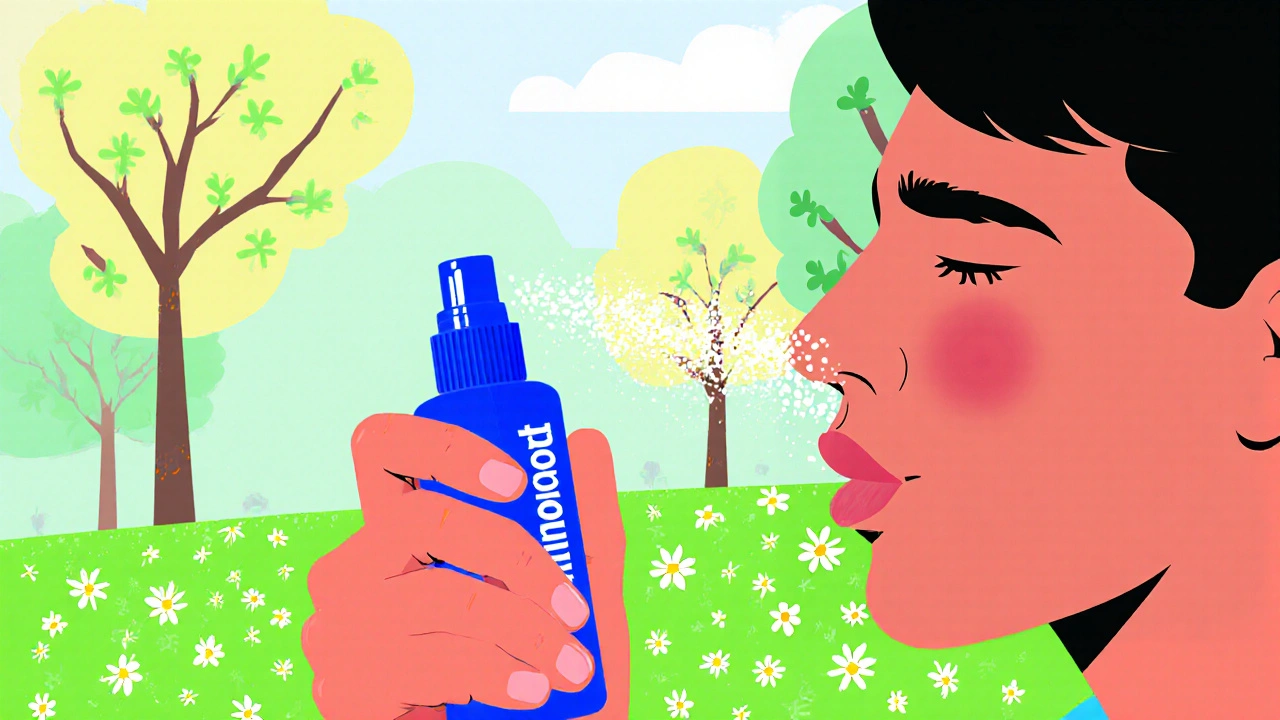
A detailed side‑by‑side comparison of Rhinocort (budesonide) with other nasal steroids, covering effectiveness, safety, cost, and best use scenarios.
Continue Reading