CPAP Troubleshooting: Fix Common Sleep Apnea Device Issues
When your CPAP machine, a device that delivers continuous air pressure to keep airways open during sleep for people with obstructive sleep apnea stops working right, sleep suffers—and so does your health. Many users face issues like mask leaks, dry nose, or loud air noise, but most of these aren’t failures of the device itself. They’re fixable setup problems. A CPAP mask, the part that seals over the nose or mouth to deliver air pressure that doesn’t fit right is the #1 cause of treatment failure. It’s not about buying a more expensive machine; it’s about matching the right mask to your face and adjusting it properly.
Another big issue is CPAP humidity, the level of moisture added to the air to prevent dryness in the nose and throat. Too little and your throat feels like sandpaper. Too much and water collects in the tube—called rainout. This isn’t a defect. It’s usually caused by room temperature changes. Lowering the heat setting or using a heated tube can stop it cold. Then there’s the noise. If your machine sounds like a jet engine, it’s often not the motor. It’s a loose hose, a dirty filter, or a mask that’s slipping off during the night. Simple fixes: clean the filter every week, check for cracks in the tubing, and try a different mask style—nasal pillows instead of full face, or vice versa.
People often give up on CPAP because they think the machine is broken. But 90% of the time, it’s just not set up right. Your doctor doesn’t always show you how to troubleshoot. That’s why so many users quit after a few weeks. You don’t need a technician. You need to know what to look for. Check the water level daily. Make sure the mask isn’t over-tightened—it should seal without digging into your skin. Look for air escaping around the edges when you lie down. And don’t ignore the software logs. Most modern machines track usage, leaks, and pressure changes. If your nightly leak rate is over 24 liters per minute, your mask isn’t fitting. That’s not normal. That’s a signal to try a different size or style.
Some problems are physical. If you wake up with a sore nose or red marks, your mask might be too rigid. Try a softer cushion or switch to a nasal pillow design. If you’re getting dry mouth, you’re probably breathing through your mouth at night. A chin strap can help, or your doctor might recommend a full-face mask. And if your machine keeps shutting off, it could be a faulty sensor or a clogged air intake. Clean the air filter and make sure nothing’s blocking the vent.
There’s no one-size-fits-all fix. What works for your neighbor might not work for you. That’s why the best CPAP users are the ones who test, tweak, and track. Keep a simple log: date, mask type, leak rate, how you felt in the morning. After a week, patterns show up. You’ll see which mask works best on cold nights. You’ll notice when rainout happens after turning up the heat. You’ll find out that changing your pillow reduces jaw pain. These small wins add up to better sleep.
The goal isn’t to make the machine perfect—it’s to make your sleep better. Most CPAP issues can be solved in under 10 minutes with the right info. You don’t need to live with discomfort. You don’t need to quit. You just need to know where to look. Below, you’ll find real fixes from people who’ve been there—mask adjustments that saved their nights, humidity settings that ended dry throat, and simple habits that turned a frustrating device into a lifesaver.
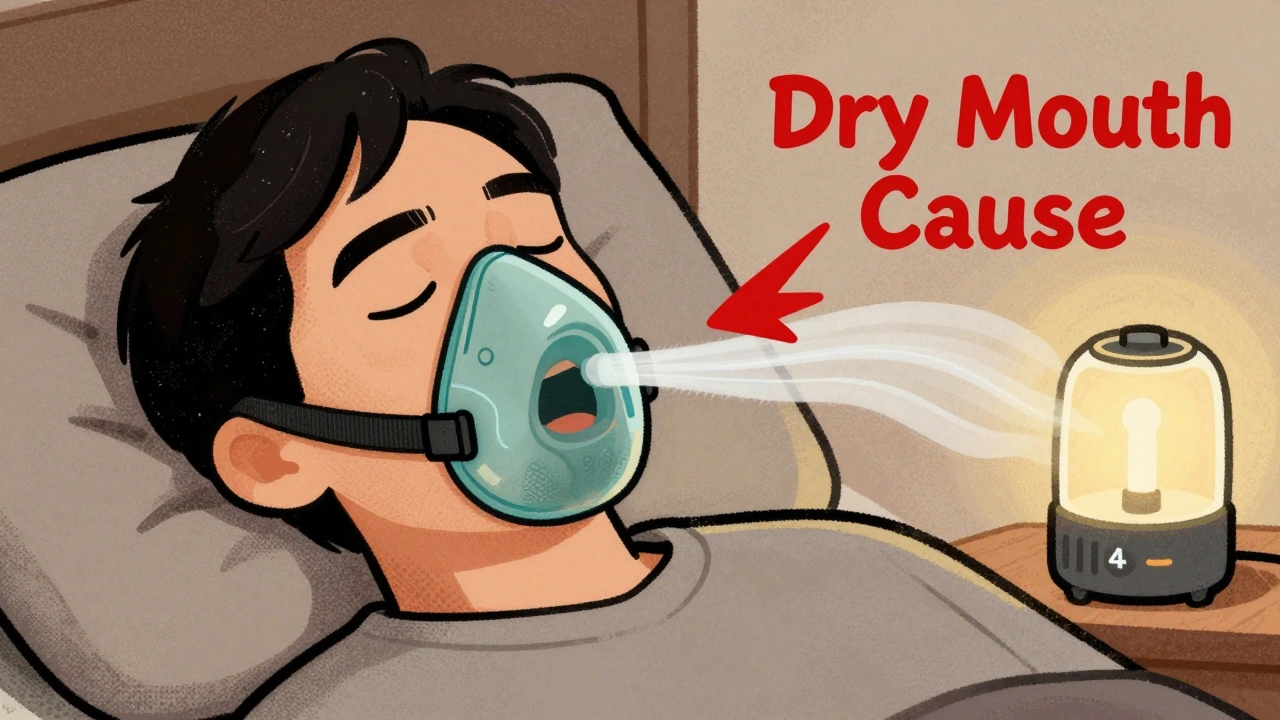
Fix dry mouth, mask leaks, and pressure problems with CPAP therapy. Learn simple, proven solutions backed by sleep specialists and user data to improve comfort and adherence.
Continue Reading