Drug-Induced TTP: Causes, Risks, and What You Need to Know
When a medication triggers drug-induced TTP, a rare, life-threatening blood disorder where small clots form throughout the body, destroying platelets and red blood cells. Also known as thrombotic thrombocytopenic purpura, it’s not just a side effect—it’s a medical emergency that can strike without warning. Unlike common side effects like nausea or dizziness, drug-induced TTP doesn’t fade after a few days. It builds silently, often after weeks of taking a drug, and can lead to kidney failure, stroke, or death if missed.
Some drugs are known to set off this chain reaction. Quinine, a compound once used in malaria treatment and found in tonic water, is one of the most documented triggers. Clopidogrel, a blood thinner prescribed after heart attacks or stents, has also been linked to cases in clinical reports. Even chemotherapy drugs, like mitomycin C and gemcitabine, used to treat cancer can cause it. These aren’t random reactions—they happen because the drug changes how your body handles platelets, tricking your immune system into attacking them.
Most people never hear of TTP until they’re in the hospital. But if you’re on one of these drugs and suddenly feel exhausted, notice unexplained bruising, have yellowing skin, or start seeing double or slurring your words, don’t wait. These aren’t normal side effects. They’re red flags. TTP doesn’t always show up in routine blood tests right away, but a low platelet count combined with damaged red blood cells is the first clue doctors look for. The faster it’s caught, the better the chance of survival—plasma exchange can reverse it if started early.
What makes drug-induced TTP especially tricky is that it can appear weeks or even months after starting a medication. You might think your body has adjusted, but the damage is still building. That’s why tracking new symptoms—even small ones—is critical if you’re on high-risk drugs. And if you’ve had TTP once, you’re at higher risk if you take the same drug again. It’s not just about avoiding the medication; it’s about knowing your own body’s response to it.
The posts below cover real cases, warning signs, and how doctors spot these hidden dangers before they spiral. You’ll find guides on how to recognize when a side effect is more than just discomfort, which medications carry the highest risk, and what to ask your pharmacist before filling a new prescription. This isn’t theoretical—it’s about knowing what to watch for so you can act before it’s too late.
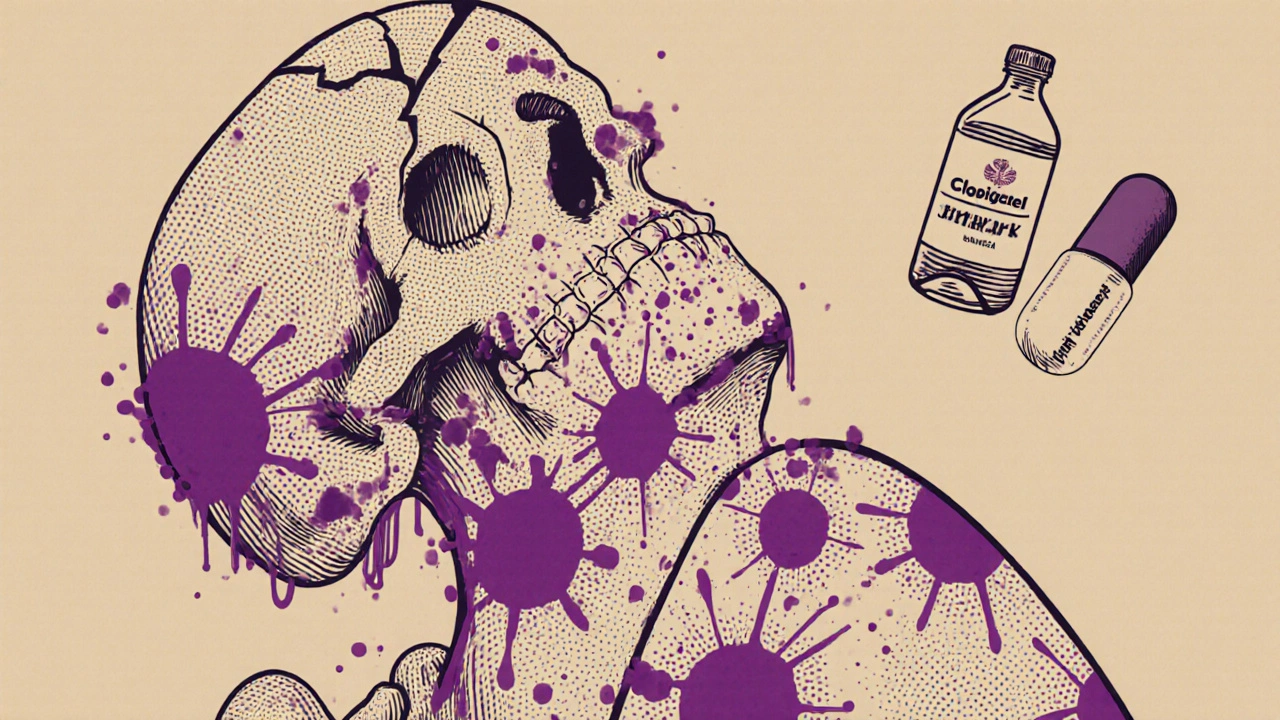
Drug-induced thrombotic thrombocytopenic purpura is a rare but deadly reaction to certain medications. Learn which drugs can trigger it, how it’s diagnosed, and why quick action saves lives.
Continue Reading