Genomic Testing: What It Is, How It Helps, and What You Need to Know
When you hear genomic testing, a medical process that analyzes your DNA to identify variations linked to disease risk or drug response. Also known as DNA testing, it doesn’t just tell you about ancestry—it shows how your body processes medications, reacts to treatments, and might develop conditions like cancer or heart disease. This isn’t science fiction. It’s happening in clinics right now, helping doctors pick the right drug at the right dose for you—before you even take it.
Genomic testing works by scanning your genes for small changes that affect how drugs are broken down, absorbed, or targeted. For example, if you’re prescribed warfarin, a blood thinner, your genes can tell your doctor whether you need a tiny dose or a higher one to avoid bleeding or clots. That’s pharmacogenomics, the study of how genes influence how your body responds to drugs. It’s why some people get sick from standard doses while others need way more. It’s also why some medications just don’t work for you, no matter how many times you try.
And it’s not just about drugs. genetic risk, your inherited chance of developing certain diseases based on your DNA. If your family has a history of early heart disease or breast cancer, genomic testing can show if you carry the same risky variants. That doesn’t mean you’ll get sick—it means you can act early. Maybe you change your diet, start screenings sooner, or avoid triggers like smoking. It turns guesswork into a plan.
Some people worry genomic testing will lead to panic or discrimination. But most results don’t give you a yes-or-no answer. They give you context. For instance, a gene variant might mean your risk of diabetes is 20% higher—not 100%. That’s useful, not scary. And doctors now use this data alongside your lifestyle, age, and lab results—not instead of them.
What you’ll find in these posts is real-world proof of how genomic testing connects to everyday health problems. You’ll see how it explains why levothyroxine doesn’t work for some people, why certain pain meds fail, or why one person gets terrible side effects from a drug that works fine for others. You’ll read about how kidney disease changes drug metabolism, how antidepressants affect sleep differently based on genes, and why some patients respond to statins while others don’t. These aren’t theories—they’re patterns seen in real patients, backed by clinical data.
Genomic testing isn’t magic. But it’s the closest thing we have to personalized medicine today. And if you’ve ever wondered why your treatment didn’t work—or why your cousin had a different reaction to the same drug—this is why. The answers are in your genes. And now, we’re learning how to read them.
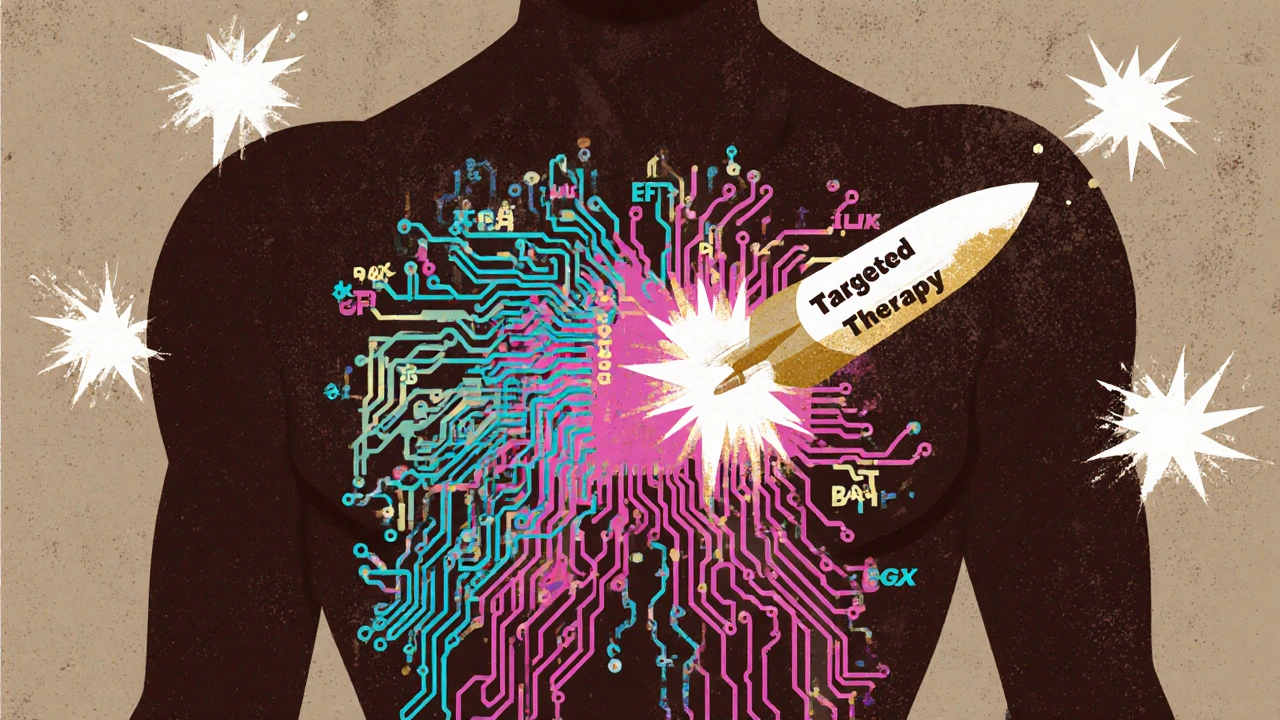
Targeted therapy uses tumor genetics to treat cancer more precisely than chemotherapy. Learn how genomic testing identifies mutations, which drugs work best, and why access remains unequal despite major advances.
Continue Reading