GMP Compliance: What It Means for Your Medications and Why It Matters
When you take a pill, injection, or liquid medicine, you trust it’s safe, pure, and works as it should. That trust doesn’t come from luck—it comes from GMP compliance, Good Manufacturing Practices that set the global standard for how medicines are made. Also known as cGMP, it’s the rulebook that forces drug makers to control every step of production, from raw ingredients to sealed bottles. Without it, a batch of insulin could be contaminated. A painkiller might have half the right dose. A child’s liquid medicine could contain toxic filler. GMP compliance isn’t paperwork—it’s a shield.
It’s not just about the factory floor. FDA inspections, unannounced checks on U.S. and overseas drug plants make sure companies aren’t cutting corners. The FDA doesn’t just look at clean rooms—they track how staff are trained, how equipment is cleaned, how records are kept. Even small mistakes—like using the wrong label or skipping a test—can lead to recalls or shutdowns. And with more meds made overseas, pharmaceutical manufacturing, the process of turning chemicals into pills and syrups in countries like India and China, GMP is the only thing keeping global supply chains from becoming dangerous lottery systems.
Why should you care? Because GMP compliance directly affects your health. If a drug isn’t made under GMP, you might get a fake, weak, or contaminated product. That’s not theoretical. There have been cases where patients got kidney failure from tainted heparin, or babies suffered brain damage from improperly diluted antibiotics. GMP prevents those disasters. It’s why your pharmacist checks the manufacturer, why insurers only cover certain brands, and why the FDA warns against buying meds from random websites. It’s also why generics are safe—they have to meet the same standards as the brand-name version.
It’s not glamorous, but GMP compliance is the invisible hand keeping your meds from turning into hazards. It’s why a pill from a big-name company and one from a generic maker can both be trusted—if they follow the rules. And when they don’t? That’s when you hear about recalls, lawsuits, and tragedies. The posts below dig into real-world cases: how foreign factories get caught, why dosing errors happen even in clean labs, how kidney patients are put at risk by bad manufacturing, and what happens when quality control fails. You’ll see how GMP ties into everything from pediatric compounding to international mail-order meds. This isn’t about regulation for regulation’s sake. It’s about making sure the next pill you swallow doesn’t hurt you.
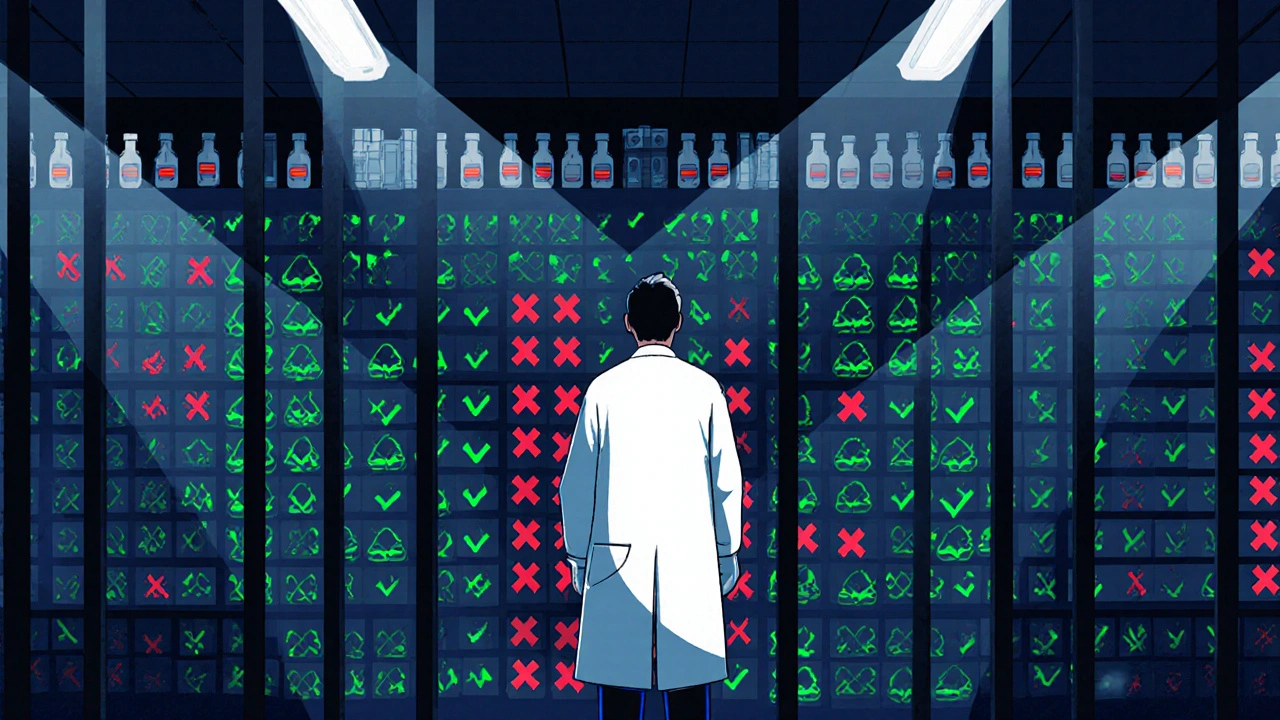
Batch release testing is the final safety check for every pharmaceutical batch before distribution. Learn how identity, potency, purity, and microbial tests ensure patient safety-and why even one failure can cost millions.
Continue Reading