Mandatory Substitution: What It Means for Your Prescriptions and Costs
When a pharmacy swaps your brand-name drug for a cheaper generic without asking you, that’s mandatory substitution, a policy that requires pharmacists to substitute generic drugs for brand-name ones unless the doctor specifically forbids it. Also known as automatic substitution, it’s a tool used by insurers, state laws, and pharmacy benefit managers to cut drug costs—often saving patients and systems hundreds or even thousands of dollars a year. But it’s not just about price. Mandatory substitution touches everything from how your body reacts to a drug, to whether your doctor trusts the swap, to whether your insurance even lets you choose.
This isn’t just a pharmacy rule—it’s tied to generic drugs, medications that contain the same active ingredients as brand-name drugs but cost up to 95% less. The FDA says generics work the same way, but real-world experience tells a more complicated story. For drugs like levothyroxine, where tiny changes in dosage can throw off your thyroid levels, even small differences in fillers or absorption rates can matter. That’s why some doctors still write "dispense as written" on prescriptions. And when insurers push pharmacy substitution, the process where a pharmacist replaces a prescribed drug with a cheaper alternative under state or plan rules, they’re not just saving money—they’re shifting responsibility onto you and your provider.
States have different rules. Some let pharmacists substitute without telling you. Others require you to be notified. Some block substitution for certain drugs—like those with narrow therapeutic windows. Meanwhile, prescription costs, the out-of-pocket price you pay when filling a medication keep rising for brands, making substitution harder to avoid. You might think you’re getting the same pill, but if your insurance formulary changes, or if the generic manufacturer switches suppliers, your body might respond differently. That’s why patients report issues with seizure control, mood swings, or thyroid symptoms after a switch—even when the label says it’s identical.
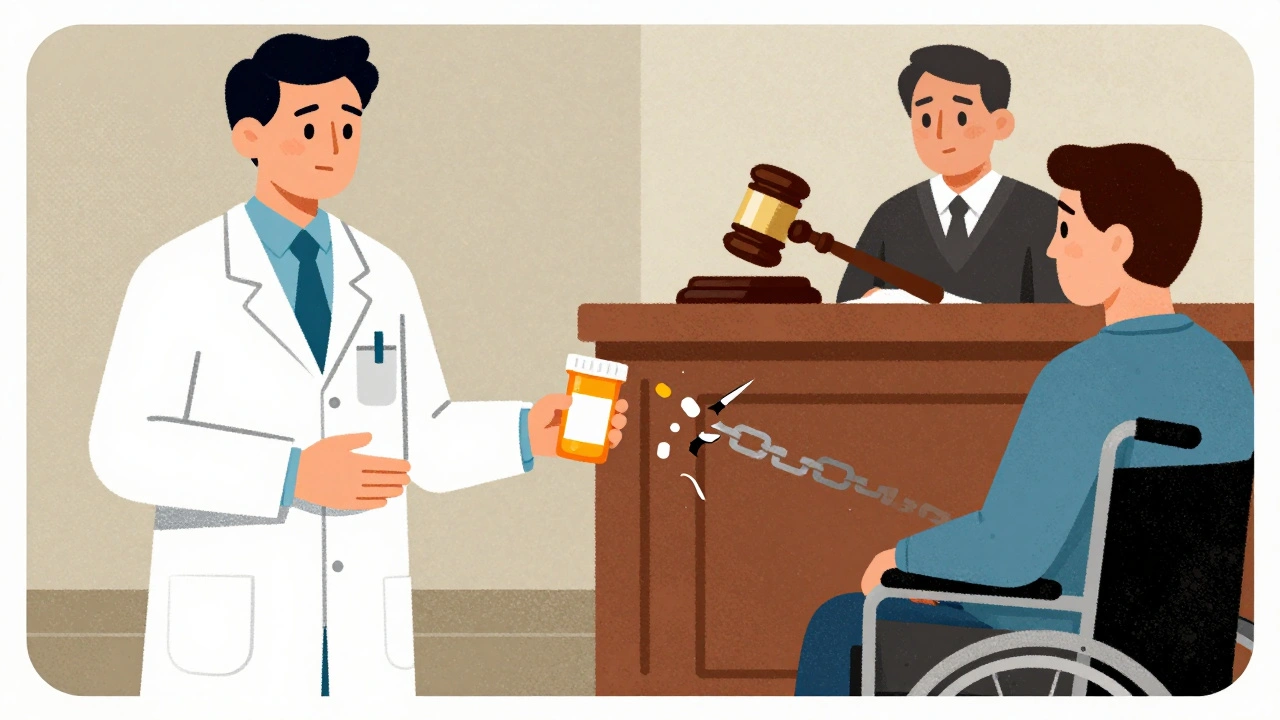
Doctors know this. That’s why some resist mandatory substitution—not because they don’t want you to save money, but because they’ve seen what happens when a drug that’s been working suddenly stops working. And when liability falls on them—like in cases where a patient has a bad reaction to a generic they didn’t choose—the legal risks get real. This isn’t just policy. It’s personal.
Below, you’ll find real stories and clear breakdowns of how mandatory substitution plays out in practice. From how insurers force it, to how it affects elderly patients with kidney issues, to why some generics trigger side effects others don’t. You’ll see how it connects to drug interactions, dosage adjustments, and even the legal side of prescribing. No fluff. No theory. Just what happens when a pharmacy counter makes a decision that changes your health.
Mandatory substitution laws force replacements in banking, mental health, and chemicals - but rules vary wildly by country. Learn how the EU, U.S., and others handle it - and what it means for your rights and health.
Continue Reading