SSRI: What You Need to Know About These Antidepressants and Their Real-World Effects
When you hear SSRI, Selective Serotonin Reuptake Inhibitors, a class of antidepressants that increase serotonin levels in the brain. Also known as serotonin reuptake inhibitors, they are among the most common medications prescribed for depression, anxiety, and OCD. But SSRIs aren’t just mood boosters—they affect your whole body, and not always in ways people expect.
These drugs work by blocking the reabsorption of serotonin, leaving more of it available in your brain. That sounds simple, but the side effects? Not so simple. People report everything from nausea and insomnia to sexual dysfunction and weight gain. And while many take SSRIs for years without issue, others face sudden, serious risks like serotonin syndrome, a dangerous condition caused by too much serotonin, often from mixing SSRIs with other drugs. This isn’t rare—it’s been documented in emergency rooms after people took cold meds, painkillers, or even herbal supplements like St. John’s wort with their antidepressant. Even something as common as triptans, medications used for migraines, can trigger this reaction when combined with SSRIs.
And it’s not just about mixing drugs. SSRIs can interact with how your body handles other medications. For example, they can slow down the metabolism of blood thinners, making bleeding risks higher. They can also make certain painkillers less effective or increase side effects from heart medications. If you’re on more than one drug, your body is doing complex math—and SSRIs are one of the variables that can throw off the balance. That’s why doctors need to know everything you’re taking, even over-the-counter stuff.
What’s surprising is how often SSRIs affect senses and digestion. Some people notice their sense of taste or smell changes. Others get a dry mouth, constipation, or even unusual stomach cramps. These aren’t just "annoyances"—they can make people quit their meds, which can lead to withdrawal symptoms like dizziness, brain zaps, or rebound anxiety. And while SSRIs help many, they don’t work for everyone. Studies show nearly half of people don’t get full relief from the first one they try.
Below, you’ll find real stories and facts about how SSRIs connect to other drugs, how they impact daily life, and what to do if something feels off. From how they interact with cold medicines to why they sometimes cause sleep problems or worsen GI issues, the posts here cut through the noise. No fluff. Just what matters when you’re taking these meds—or caring for someone who is.
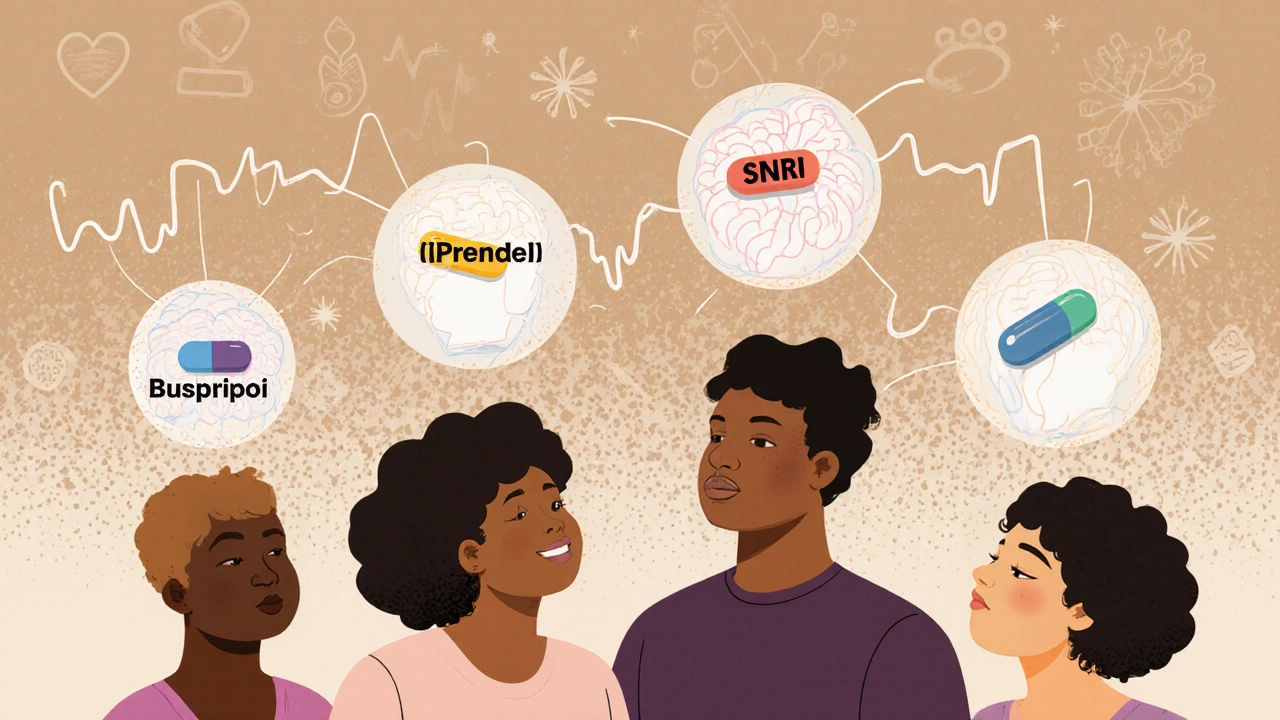
Antidepressants help many people manage depression and anxiety, but they come with real risks-from weight gain and sexual side effects to withdrawal and suicidal thoughts in young adults. Know the types, the trade-offs, and how to use them safely.
Continue Reading