Generic Drug Safety: Are Generics as Safe as Brand Names?
Generic Drug Safety Checker
Check Your Medication
Enter your prescription name to see if it's therapeutically equivalent and identify potential safety concerns.
When you pick up a prescription, you might see two options: the familiar brand-name pill in its colorful packaging, or a plain white capsule with a generic label. The price difference is huge-sometimes over 90% cheaper. But the big question lingers: are generics as safe as brand names?
Same Active Ingredient, Same Job
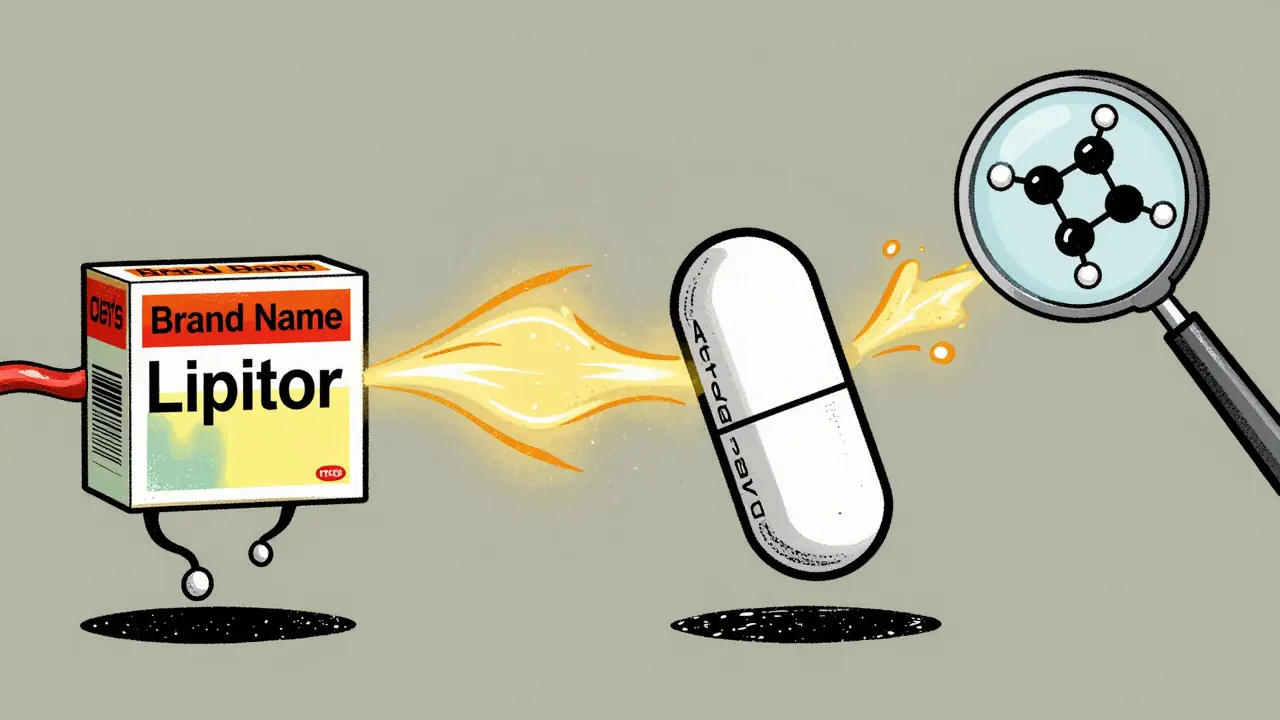
Generic drugs aren’t copies. They’re exact matches in what matters most: the active ingredient. That’s the chemical that actually treats your condition. Whether you take brand-name Lipitor or its generic atorvastatin, the molecule doing the work is identical. The U.S. Food and Drug Administration (FDA) requires this. No exceptions. Every generic must contain the same active ingredient, in the same strength, and delivered the same way-as a pill, injection, or patch-as the original.The FDA doesn’t just trust the manufacturer’s word. They demand proof. Before a generic hits the shelf, it must pass bioequivalence testing. That means the drug must enter your bloodstream at the same rate and to the same extent as the brand-name version. The acceptable range? Between 80% and 125% of the brand’s absorption. That’s not a wide gap-it’s a tight window designed to ensure the same clinical effect.
What’s Different? (And Why It Doesn’t Matter)
You might notice generics look different. Different color, shape, or taste. That’s because of trademark laws. Brand-name companies own the look of their pills. Generics can’t copy that. So manufacturers use different inactive ingredients-fillers, dyes, binders. These don’t treat your illness. They just hold the pill together or make it easier to swallow.These differences are usually harmless. But for a small group of patients, they can cause issues. People with rare allergies to food dyes or gluten might react to a filler in one version but not another. That’s why pharmacists are trained to check your profile before switching. It’s rare, but it happens.
The FDA’s Watchful Eye
The FDA inspects every drug factory-brand and generic alike. As of 2023, they monitor over 12,000 facilities worldwide. Generic drug plants are inspected every 2.3 years on average. Brand-name plants? Every 2.1 years. The difference is negligible. Both must meet the same quality standards. The same batch testing. The same purity controls. The same contamination limits.The FDA approves over 1,000 generic applications every year. The average review time? Ten months. That’s faster than the original brand approval process. And here’s the kicker: 97% of approved generics are rated “A” in the FDA’s Orange Book-meaning they’re fully substitutable. Only 3% are flagged for special handling.
Where the Concerns Are Real: Narrow Therapeutic Index Drugs
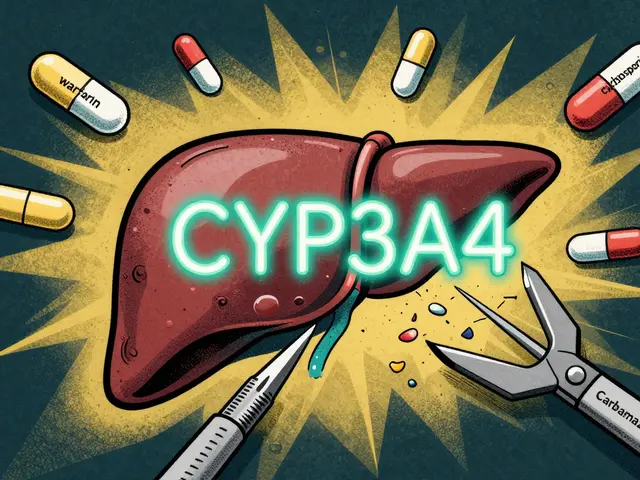
Not all drugs are created equal. Some have a narrow therapeutic index (NTI). That means the difference between a helpful dose and a dangerous one is tiny. A little too much, and you risk toxicity. A little too little, and the drug doesn’t work.Examples include:
- Warfarin (Coumadin)
- Levothyroxine (Synthroid)
- Phenytoin (Dilantin)
- Digoxin (Lanoxin)
For these, switching between brands and generics can trigger small changes in blood levels. That’s why doctors often prefer to keep patients on the same version. But here’s what the data says: a 2019 JAMA Internal Medicine study tracked 1.5 million Medicare patients on levothyroxine. After a year, there was no significant difference in heart attacks, hospitalizations, or death between those on brand and generic versions.
Still, some patients report feeling off after a switch. A 2023 Drugs.com survey showed 38% of users on generic levothyroxine reported negative effects, compared to 32% on Synthroid. Reddit threads are full of people saying their TSH levels jumped after a generic switch. But pharmacists-those who actually fill the prescriptions-say otherwise. A Pharmacy Times poll found 92% of pharmacists believe generics are therapeutically equivalent. So what’s going on?
The Placebo Effect (and the Nocebo Effect)
Belief matters. If you think a generic is weaker, your body might react as if it is. That’s the nocebo effect-the opposite of placebo. A 2022 Kaiser Family Foundation survey found 68% of Americans believe generics are less effective. Yet 89% of those same people had taken generics before.That disconnect isn’t irrational. It’s human. We’re wired to trust what we know. A branded pill feels more “real.” A plain white capsule feels like a compromise. But science doesn’t care about packaging. It cares about chemistry.
What the Numbers Really Show
Let’s look at the data from the FDA’s Adverse Event Reporting System (FAERS) between 2018 and 2022. Generics had 1.7 reports per 100,000 prescriptions. Brands had 1.5. That’s not a safety gap-it’s a statistical blip. And here’s why: generics make up 90% of all prescriptions dispensed in the U.S. More use means more reports, even if the risk is the same.One Canadian study from 2017 claimed a spike in ER visits after switching to generic blood pressure meds. But the researchers themselves admitted other factors could’ve played a role-like changes in diet, stress, or other meds. It wasn’t proof of danger. Just a signal to look closer.
Cost vs. Risk: The Real Trade-Off
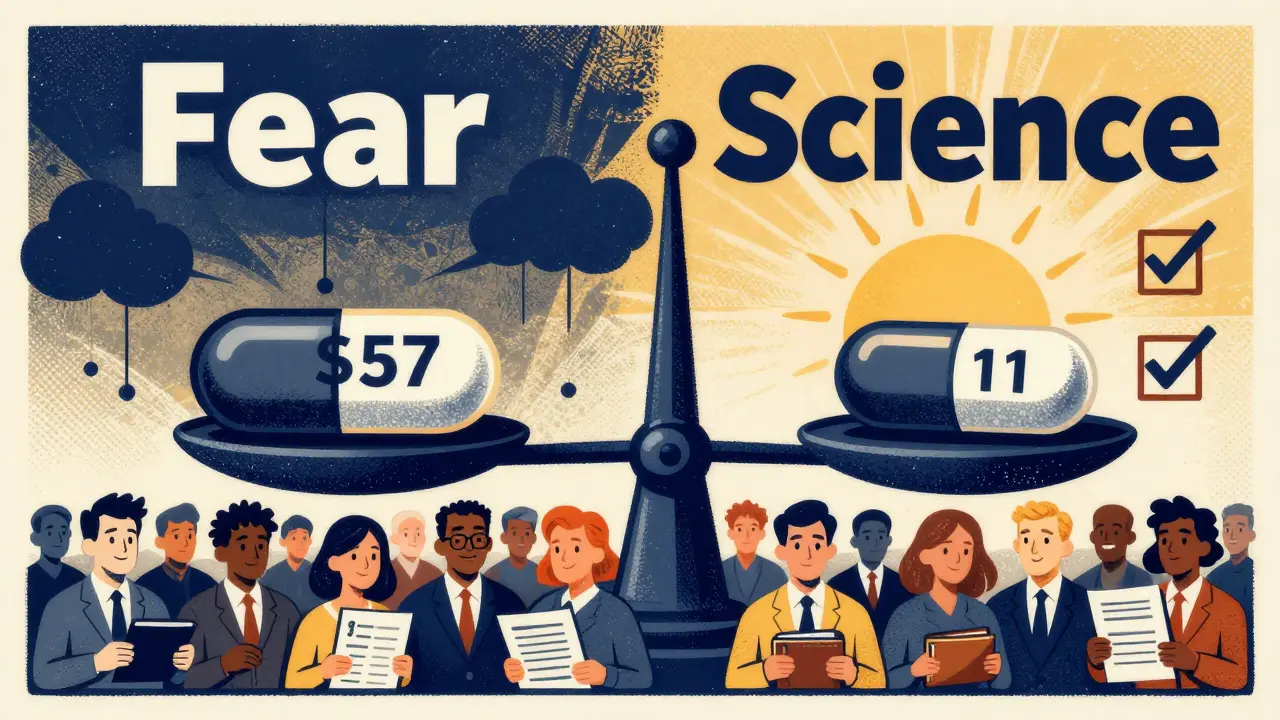
Brand-name drugs cost an average of $657 per prescription. Generics? $11. That’s not a discount. That’s a revolution. For people on fixed incomes, chronic conditions, or without good insurance, the price difference isn’t optional. It’s life or death.Since 2006, Medicare Part D has saved $1.67 trillion thanks to generic drugs. That’s money kept in patients’ pockets, not spent on hospital bills. The 2022 Inflation Reduction Act is pushing even more generics into the market, with projected savings of $98 billion by 2031.
And here’s something most people don’t know: nearly half of all generic drugs are made by the same companies that make the brand names. Pfizer’s Greenstone. Novartis’s Sandoz. These aren’t shady startups. They’re global giants with the same labs, same inspectors, same standards.
When You Should Be Cautious
You don’t need to avoid generics. But you do need to be smart.- If you’re on an NTI drug-like warfarin or levothyroxine-stick with one version. If your doctor switches you, ask why.
- Track your symptoms. If you feel different after a switch, tell your doctor. Get a blood test if needed.
- Don’t assume all generics are the same. Different manufacturers might use different fillers. If you switch between two generics and feel off, ask your pharmacist to keep you on the same brand.
- Check the FDA’s Orange Book. If your drug is rated “A,” it’s fully substitutable. If it’s “B,” don’t switch without consulting your prescriber.
Forty-seven states let pharmacists swap generics unless the doctor writes “dispense as written.” That’s legal. But it’s not always the best move for every patient.
Final Answer: Yes, They’re Safe-Most of the Time
For 97% of all medications, generic drugs are just as safe and effective as brand names. The science is clear. The data backs it. The FDA, Harvard, JAMA, and the CDC all agree.The exceptions? Rare. And manageable. If you’re on a narrow therapeutic index drug, stay alert. But don’t let fear cost you your health-or your wallet.
Choosing a generic isn’t settling. It’s smart. It’s evidence-based. And for millions of people, it’s the only way they can afford to stay alive.
Are generic drugs really as effective as brand names?
Yes, for the vast majority of drugs. The FDA requires generics to deliver the same active ingredient at the same rate and amount as the brand-name version. Bioequivalence testing ensures they work the same way in your body. Studies involving millions of patients show no meaningful difference in outcomes for most conditions.
Why do some people say generics don’t work for them?
Sometimes, it’s the nocebo effect-people expect the cheaper version to be worse, so they feel worse. Other times, it’s a real but rare reaction to an inactive ingredient like dye or filler. This is most common with narrow therapeutic index drugs like levothyroxine or warfarin. If you notice changes after switching, talk to your doctor and get a blood test.
Can I switch between different generic brands?
For most drugs, yes. But if you’re on a medication with a narrow therapeutic index, it’s best to stick with one manufacturer. Different generics can have different fillers, which might affect absorption slightly. If you notice symptoms changing after a switch, ask your pharmacist to keep you on the same version.
Are generic drugs made in worse facilities?
No. The FDA inspects generic and brand-name factories using the same standards. In fact, many brand-name companies own generic divisions. The FDA found no difference in inspection outcomes between the two. Facilities in the U.S., India, and China are all held to the same rules.
What should I do if my doctor won’t prescribe generics?
Ask why. For most medications, generics are the best choice-safer for your wallet and just as effective. If your doctor insists on the brand, ask if it’s because of a narrow therapeutic index drug, insurance issues, or personal preference. You have the right to request a generic unless there’s a documented medical reason not to.

11 Comments
Alexandra Enns
January 26 2026Let me break this down for you folks who think the FDA is some kind of saintly guardian of health - it’s not. Generics? Made in India and China by factories that get inspected once every two years while their own plants get checked every 2.1? LOL. The FDA doesn’t even have enough staff to eyeball half the pills coming in. And don’t get me started on how they approve 1000 generics a year in ten months - the brand names take YEARS to get approved. That’s not efficiency, that’s corruption. You think your $11 pill is the same? You’re drinking the Kool-Aid. I’ve seen people crash after switching - heart palpitations, seizures, you name it. And the system just shrugs. Who’s paying for this? Big Pharma’s subsidiaries, that’s who. Same labs? Sure. Same standards? Only if you believe in fairy tales.
Marie-Pier D.
January 26 2026Hey, I just want to say thank you for writing this - it’s so hard to find clear, calm info on this topic 😊 I switched my mom to generic levothyroxine last year after she was paying $400/month for Synthroid. Her TSH stayed perfect, she saved $300 a month, and she’s been sleeping better than ever. I know some folks have bad experiences, but for most of us? It’s a miracle. The FDA isn’t perfect, but they’re not lying either. If your body reacts weird after a switch, talk to your doc - but don’t let fear stop you from saving your life. 💙
Darren Links
January 28 2026Wow. So you’re telling me the same company that makes Lipitor also makes atorvastatin? And you’re shocked? Of course they do. The whole generic system is just a shell game. Brand-name companies own the patents, then spin off their own generics to make more money. They’re not competing - they’re colluding. And the FDA? They’re just the front desk. You think your ‘A’ rating means safety? It just means they didn’t catch the batch that was contaminated with mold. I’ve seen the reports. The real numbers are buried. Don’t be fooled by pretty graphs.
Kevin Waters
January 28 2026As a pharmacist for 18 years, I’ve filled thousands of generic prescriptions. I’ve seen zero cases where the generic failed to work because of the active ingredient. The few times patients say ‘it doesn’t feel right’? It’s almost always the filler - cornstarch, dye, lactose. I keep a log of which manufacturer a patient responds to, and I stick with it. That’s it. No conspiracy. No scam. Just good practice. And yeah, 97% of generics are A-rated for a reason. If you’re on warfarin or levothyroxine, yes - be careful. But for blood pressure, cholesterol, diabetes? Save your money. The science isn’t even close to being debatable.
Kat Peterson
January 28 2026OMG I CANNOT BELIEVE YOU’RE ACTUALLY DEFENDING THIS. I switched to generic Adderall and I turned into a ZOMBIE. I couldn’t focus, I was crying in Target, my heart felt like it was gonna explode 💔 My psychiatrist said it was ‘in my head’ - but my bloodwork said otherwise. I went back to the brand and BAM - I’m me again. Why do people keep pushing this? It’s not just about money - it’s about dignity. I deserve to feel like a human, not a lab rat. And the fact that pharmacists can switch me without telling me? That’s not healthcare. That’s corporate abuse. #GenericTrauma
Himanshu Singh
January 29 2026Life is a balance, no? We chase cheapness, but forget that the soul of medicine is trust. The body does not lie - if you feel different, you are different. But the system? It is built for numbers, not people. So we must become our own doctors - not by rejecting science, but by listening to our breath, our pulse, our silence. The pill is not the cure. The awareness is. Be gentle with yourself. And if your body whispers, listen. Not with fear, but with curiosity. 🙏
Chloe Hadland
January 30 2026i just took generic metformin for 3 years and never had an issue but my cousin swore hers made her dizzy so she went back to brand and it was fine for her weird how bodies are like that
Amelia Williams
January 30 2026Okay but have you seen the cost difference for people on fixed incomes? My grandma’s insulin used to cost $400 a month. Now she takes the generic for $12. She’s alive. That’s the whole point. The science says it’s safe. The data says it’s safe. The fact that some people feel weird? That’s real too - but it’s not the norm. Don’t let a few horror stories scare you out of saving lives. We’re not talking about candy here - we’re talking about people who skip meals to afford meds. Generics aren’t a compromise. They’re a lifeline. And if you’re lucky enough to have options? Use them wisely, but don’t throw away the ones others need.
Viola Li
February 1 2026So you’re saying it’s fine to let Big Pharma and the FDA play Russian roulette with people’s health? You’re literally trusting a government agency that lets tainted baby formula through and calls it ‘acceptable risk’. And you think generic pills are any different? Wake up. The FDA doesn’t test every batch. They test ONE batch per year per manufacturer. The rest? Paperwork. And those ‘A’ ratings? They’re based on bioequivalence studies done on 20-30 healthy college students. Not your 72-year-old with kidney disease. This isn’t science - it’s corporate propaganda dressed in a white coat.
Dolores Rider
February 2 2026THEY’RE PUTTING ASPARTAME IN THE GENERIC PILLS. I SWEAR TO GOD I SAW A WHISPERED MEMO ON REDDIT FROM A FORMER FDA EMPLOYEE. THEY’RE USING THE SAME FILLERS AS THE VACCINES. THAT’S WHY PEOPLE GET DEPRESSED AFTER SWITCHING. IT’S NOT THE NOCEBO - IT’S THE CHEMICALS. I’M ON LEVOTHYROXINE AND MY TSH SPiked TO 18. I WENT BACK TO SYNTHROID AND NOW I’M HUMAN AGAIN. THEY’RE KILLING US SLOWLY AND CALLING IT ‘SAFETY’. I TELL EVERYONE - DON’T TOUCH GENERICS. THEY’RE LITMUS PAPER FOR THE NEW WORLD ORDER. 🕊️👁️
venkatesh karumanchi
February 3 2026Generics are not the enemy. Fear is. I’ve worked in a pharmacy in rural India where people pay $0.20 for a month’s supply of blood pressure medicine. They don’t care about packaging. They care about living. The FDA standards? They’re high. But even where standards are low, the active ingredient is still there. Maybe not perfectly absorbed. Maybe not perfectly pure. But still - it’s medicine. And for someone who would otherwise die? That’s enough. We must not let privilege blind us to the truth: the world doesn’t need more perfect pills. It needs more people who can afford to take them.