Generic Medications: Provider Insights and Clinical Case Studies
Switching a patient from a brand-name drug to a cheaper alternative isn't always as simple as checking a box. While most people think of generic medications is pharmaceutical products containing the same active ingredients as brand-name drugs but sold at lower prices after patent expiration as a straightforward cost-saving measure, healthcare providers know the reality is more nuanced. From the seamless transition of a statin to the high-stakes risk of a breakthrough seizure in epilepsy patients, the experience varies wildly depending on the drug's therapeutic index.
The Bottom Line on Generics
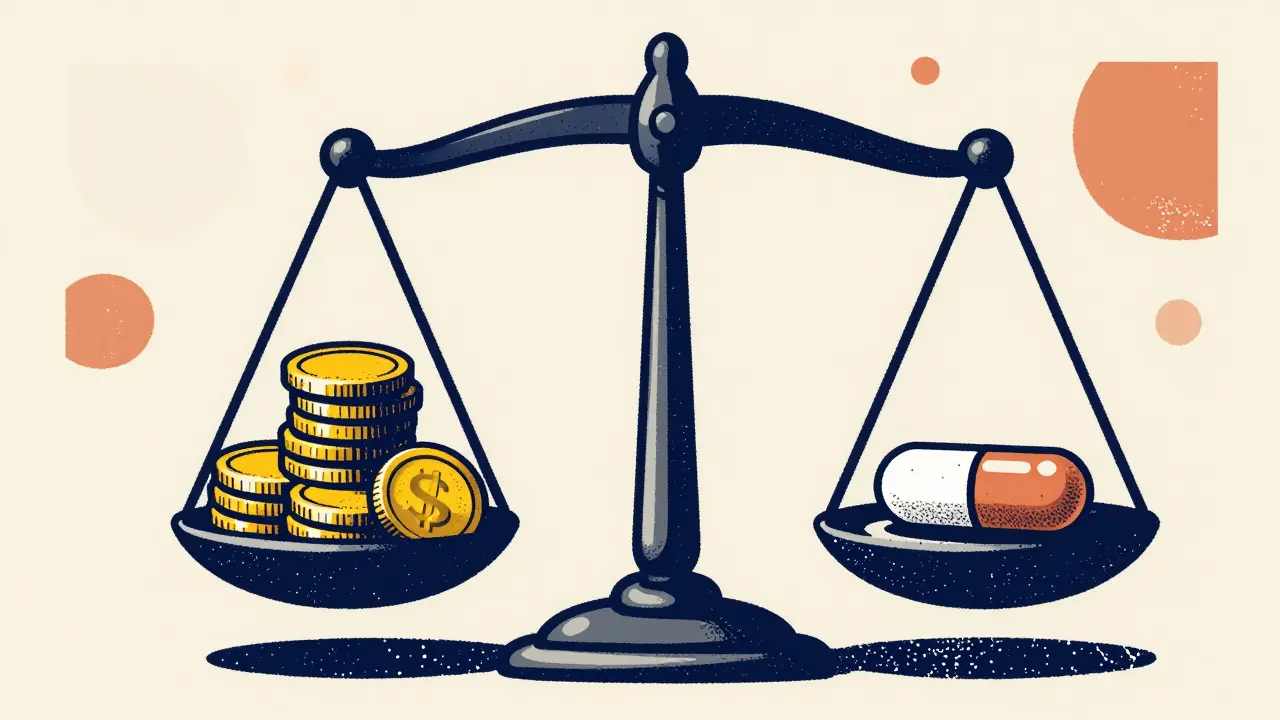
- Cost vs. Volume: Generics make up about 90% of US prescriptions but only 23% of total spending.
- The Gold Standard: The FDA requires bioequivalence, meaning the drug must deliver the same amount of active ingredient into the blood within the same timeframe.
- The "AB" Rating: In the Orange Book, an "AB" rating means the generic is therapeutically equivalent to the brand.
- The Risk Factor: Narrow therapeutic index drugs (like warfarin or thyroid meds) require much closer monitoring than common medications.
Understanding Bioequivalence and the Regulatory Framework
To understand why providers trust-or distrust-certain generics, we have to look at how they are approved. The Hatch-Waxman Act of 1984 changed the game by allowing an abbreviated pathway for approval. Instead of repeating massive clinical trials, manufacturers just need to prove bioequivalence.
In technical terms, the U.S. Food and Drug Administration (FDA) looks at two main metrics: Cmax (the maximum concentration of the drug in the blood) and AUC (the area under the curve, representing total exposure). A generic must fall within an 80-125% range of the brand-name product. For most patients, this difference is clinically invisible. However, for a small subset of patients, these minor variations in absorption can lead to perceived or actual differences in efficacy.
Case Studies: Where Substitution Works (and Where It Doesn't)
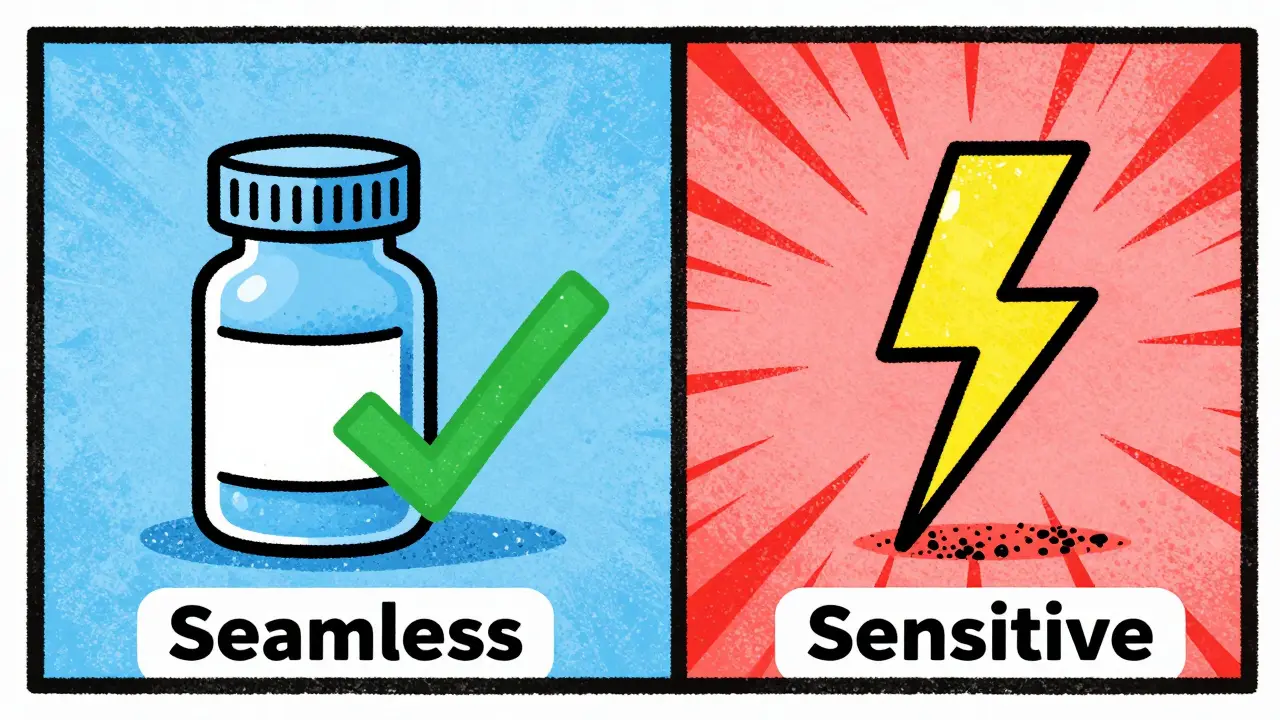
Not all drug classes are created equal. Providers generally categorize their experiences into "seamless" and "sensitive" substitutions.
The Seamless Wins: Statins and ACE Inhibitors
For medications like atorvastatin or clopidogrel, providers report almost zero friction. A Medicaid analysis showed that removing the need for patient consent for these types of drugs could have saved over $100 million in a single year. In these cases, the active ingredient is stable, and the therapeutic window is wide enough that minor variations don't affect the clinical outcome.
The High-Risk Zones: Epilepsy and Narrow Therapeutic Index Drugs
The experience is very different when dealing with Antiepileptic Drugs (AEDs). The American College of Neurology warns against mandatory substitution without physician approval. Why? Because some patients have reported breakthrough seizures after switching from brand-name lamotrigine to a generic version. In many of these case studies, patients only regained seizure control after being switched back to the original brand.
Similarly, providers are extremely cautious with narrow therapeutic index drugs. This includes:
- Warfarin: Where a tiny shift in dose can lead to either a clot or a bleed.
- Immunosuppressants: Crucial for organ transplant recipients to prevent rejection.
- Thyroid Medications: Where small fluctuations can cause systemic symptoms.
| Drug Class | Substitution Risk | Provider Typical Action | Primary Concern |
|---|---|---|---|
| Statins / ACE Inhibitors | Low | Automatic Substitution | Cost Savings |
| Antiepileptics (AEDs) | High | "Dispense as Written" (DAW) | Breakthrough Seizures |
| Narrow Therapeutic Index | High | Strict Monitoring / DAW | Toxicity or Sub-therapeutic levels |
| General Psychotropics | Moderate | Patient Counseling first | Consistency in Mood Stability |
The "Authorized Generic" Nuance
There is a specific type of medication called an Authorized Generic (AG). This is essentially the brand-name drug itself, but sold without the brand name. Some providers prefer these because they are identical in formulation to the innovator drug.
A large study published in JAMA Internal Medicine tracked patients using AGs versus regular generics for cardiovascular and psychiatric drugs. The results were encouraging: there was no significant difference in all-cause hospitalizations or medication discontinuation. Interestingly, users of AGs had a slightly higher rate of emergency department visits, but the overall clinical outcomes remained comparable across all versions. This suggests that for the vast majority of patients, the choice between a regular generic and an authorized one doesn't change the medical result.
Dealing with "Lack of Effect" and Regulatory Shifts
What happens when a generic actually fails? Providers rely on the FDA's responsiveness. A great example is the case of Concerta generics. In 2016, the FDA noticed a spike in "lack of effect" complaints for two specific generic versions. After a deep dive-including lab testing and adverse event analysis-the FDA changed the therapeutic equivalence rating from "AB" to "BX" in the Orange Book. This told providers that these specific generics were no longer considered interchangeable.
This highlights why staying updated on the Orange Book is critical. An "AB" rating is a green light, but anything else requires the provider to double-check the specific manufacturer's data before switching a patient.

The Human Element: Patient Perceptions and Adherence
Providers often find that the biggest hurdle isn't the chemistry-it's the psychology. There is a persistent gap between provider confidence and patient trust. Research shows that 66% of patients are willing to switch to generics if their doctor recommends it. If the pharmacist is the only one suggesting it, the acceptance rate drops significantly.
Interestingly, using generics can actually improve adherence. Data shows that patients starting on generics are about 13% more likely to stick to their meds, simply because the out-of-pocket cost is lower. However, this can be undermined by "pharmacy hopping" or insurance changes that result in the patient receiving a different generic manufacturer's pill every month. This change in pill color or shape can confuse elderly patients, leading them to believe they are taking the wrong medication.
Practical Tips for Providers and Patients
To maximize the benefits of generics while minimizing risks, a few practical rules of thumb apply:
- Communicate Early: A brief discussion about why a generic is being used can drastically increase patient confidence and compliance.
- Watch the "Sensitive" List: Be extra cautious with AEDs, anticoagulants, and thyroid meds. If a patient is perfectly stabilized on a brand, consider the risk of a switch.
- Check the Orange Book: Look for the "AB" rating. If it's "BX" or another code, avoid automatic substitution.
- Manage the Visuals: Warn patients that the pill might look different (color/shape) even if the drug is the same, especially if they are prone to confusion.
Are generic drugs lower quality than brand-name drugs?
No. The FDA requires generics to have the same active ingredients, strength, dosage form, and route of administration as the brand-name drug. They must demonstrate bioequivalence, meaning they work in the body in the same way and provide the same clinical benefit.
Why do some doctors insist on "Dispense as Written" (DAW)?
Doctors use DAW for drugs with a narrow therapeutic index or when a patient has previously had an adverse reaction to a generic version. In these cases, the risk of a slight variation in absorption outweighs the cost savings of a generic.
What is an Authorized Generic?
An authorized generic is a brand-name drug that the original manufacturer sells as a generic. It is chemically identical to the brand version because it is made by the same company, but it is marketed without the brand name to compete with other generics.
Can a generic drug cause different side effects than the brand?
While the active ingredient is the same, the inactive ingredients (fillers, binders, dyes) can differ. In rare cases, a patient may be allergic or sensitive to a specific filler used in a generic version, which could lead to different side effects.
How can I tell if a generic is considered interchangeable?
The most reliable way is to check the FDA's Orange Book. Generics with an "AB" therapeutic equivalence rating are generally considered interchangeable with the brand-name drug.