High Blood Pressure Caused by Certain Medications: Monitoring and Management
Medication BP Impact Estimator
Select the medications you are currently taking or starting to see the potential impact on your systolic blood pressure and the recommended monitoring window.
Select Medication Class:
Estimated Impact
Select a medication to see specific onset and monitoring details.
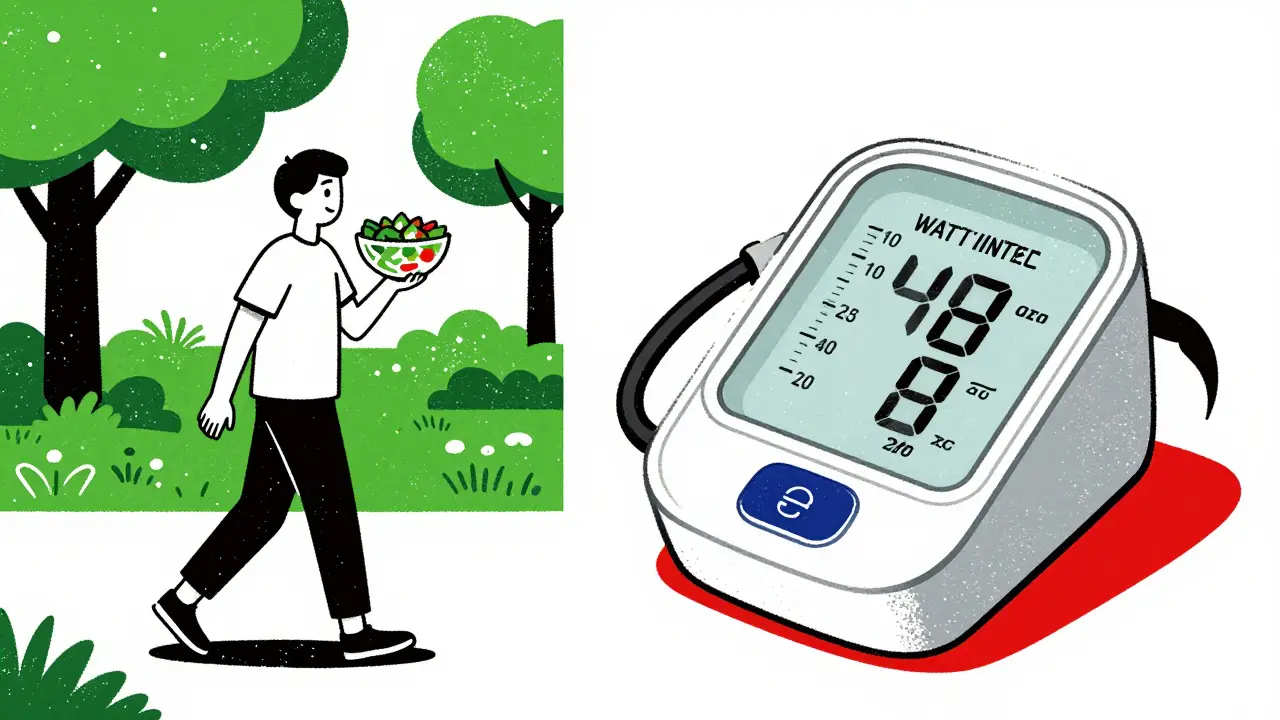
Imagine you've been doing everything right-eating your greens, walking daily, and avoiding stress-yet your blood pressure readings are suddenly spiking. It's a frustrating scenario that happens to millions of people, often because the very medicine they're taking to feel better is pushing their blood pressure up. This is called drug-induced hypertension is a condition where blood pressure rises (systolic ≥130 mm Hg or diastolic ≥80 mm Hg) as a direct result of pharmaceutical agents or substances. It's not just a rare side effect; the American Heart Association notes it accounts for about 2-5% of all hypertension cases.
The real danger is that these spikes are often "silent." You might not feel a thing until your doctor catches it at a check-up, or worse, until a hypertensive crisis occurs. Whether it's a common over-the-counter painkiller or a prescribed antidepressant, knowing which triggers to watch for can make the difference between a controlled heart and a medical emergency.
Quick Summary of Key Takeaways
- Common Culprits: NSAIDs, corticosteroids, and decongestants are among the most frequent causes.
- The "Silent" Effect: Some medications raise BP within hours, while others take weeks of use to manifest.
- Monitoring is Key: Baseline readings and regular checks during the first month of a new drug are critical.
- Management: The first step is usually adjusting the dose or switching to a safer alternative under medical supervision.
Common Medications That Raise Blood Pressure
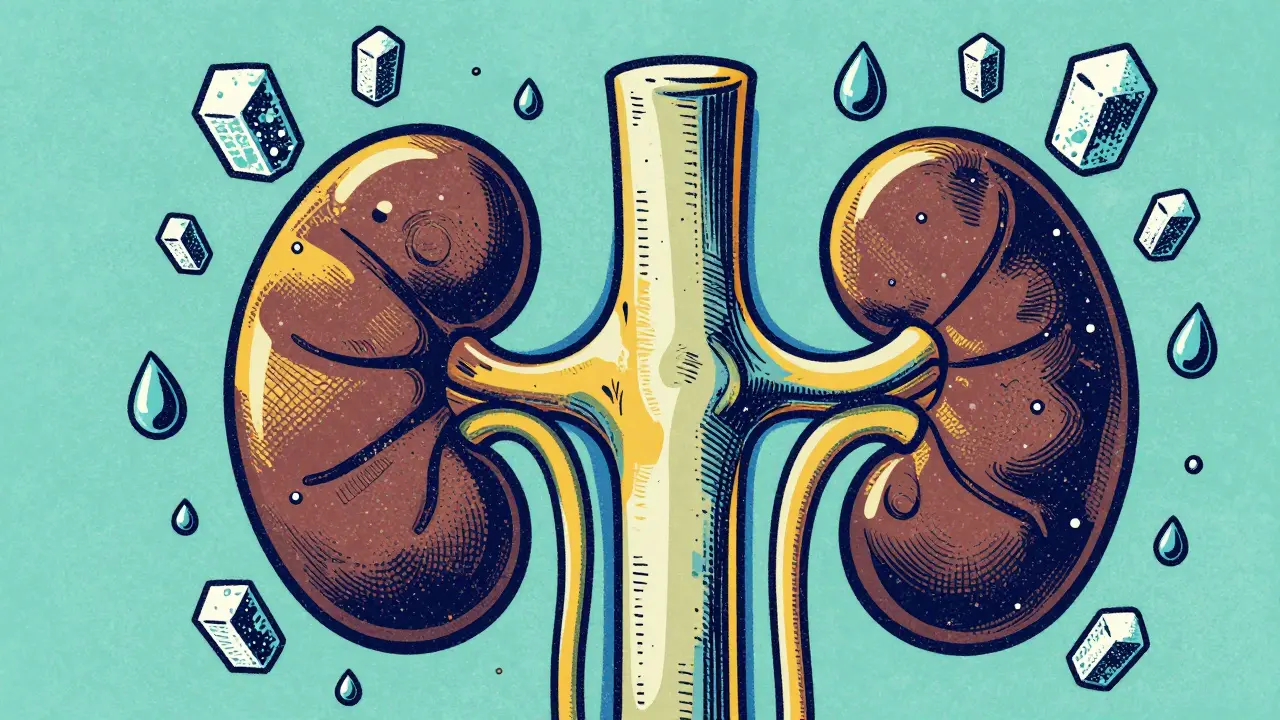
Not all blood pressure-raising drugs work the same way. Some squeeze your blood vessels, while others make your body hold onto salt and water, increasing the volume of blood your heart has to pump.
NSAIDs (Non-Steroidal Anti-Inflammatory Drugs) are probably the most common offenders. Think of things like ibuprofen (Advil, Motrin) and naproxen (Aleve). These drugs block enzymes that help your kidneys flush out sodium. When sodium stays in your system, water follows, increasing your blood volume. Studies show that regular ibuprofen use can bump systolic pressure by 5-10 mm Hg in people who already have hypertension.
Corticosteroids, such as prednisone, are far more potent. They activate receptors that cause your body to retain sodium and lose potassium. For some, a high dose of cortisol can spike systolic BP by 15 mm Hg in just 24 hours. If you're on these for more than four weeks, there's a 50-60% chance your blood pressure will climb.
Then there are the "fast actors." Decongestants containing pseudoephedrine or phenylephrine stimulate receptors that narrow your blood vessels. This vasoconstriction can raise your systolic BP by 5-10 mm Hg almost immediately after taking the pill.
Other notable triggers include:
- SNRIs: Antidepressants like venlafaxine can increase sympathetic nerve activity, which often leads to higher BP at doses above 150 mg/day.
- Stimulants: ADHD medications like methylphenidate can elevate BP in up to 25% of users.
- Specialty Drugs: Erythropoietin (used for anemia) and certain HAART HIV medications are known to cause hypertension in a significant portion of patients.
| Medication Class | Common Examples | Typical BP Effect | Onset Speed |
|---|---|---|---|
| NSAIDs | Ibuprofen, Naproxen | Moderate increase (3-10 mm Hg) | Days to Weeks |
| Corticosteroids | Prednisone, Cortisol | High increase (up to 15+ mm Hg) | Hours to Days |
| Decongestants | Pseudoephedrine | Moderate increase (5-10 mm Hg) | Immediate (Hours) |
| SNRIs | Venlafaxine | Dose-dependent increase | Weeks |
How to Monitor Your Blood Pressure Effectively
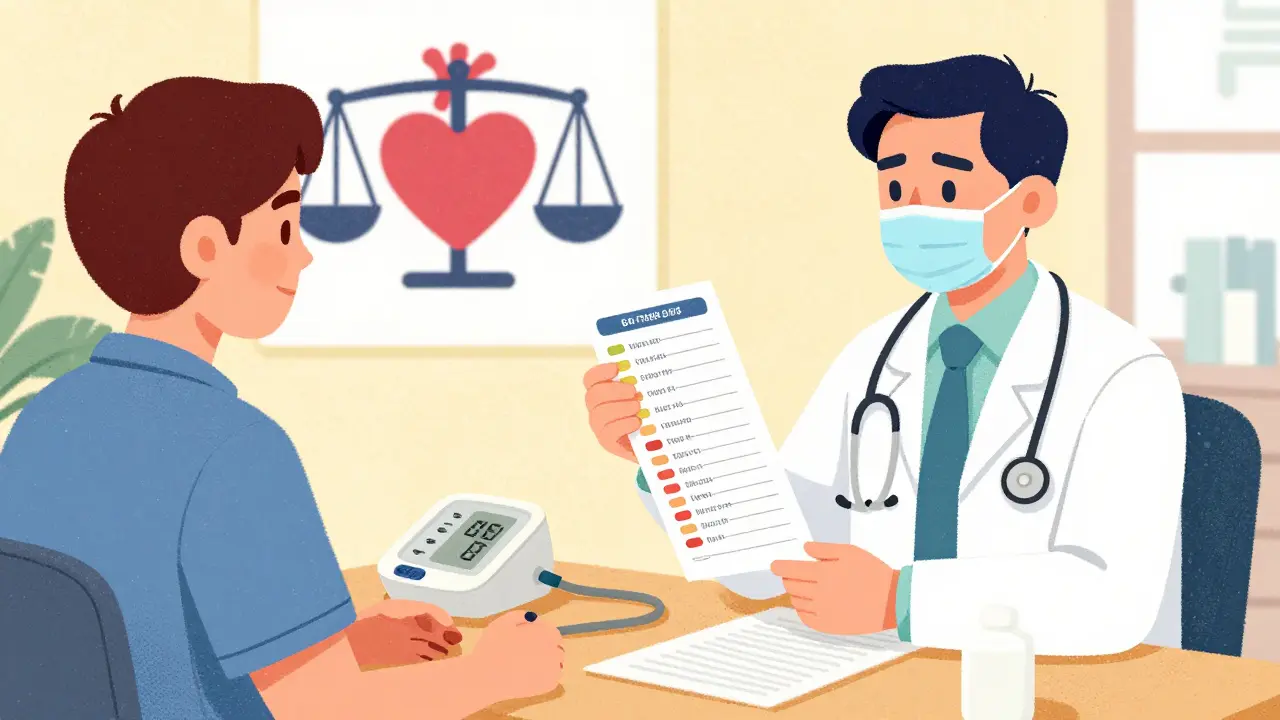
If you are starting a new medication known to affect blood pressure, you can't just "wait and see." You need a structured plan to catch spikes before they become dangerous. The gold standard is to establish a baseline reading before your first dose.
For most people, checking your pressure at 1-2 weeks and again at 4-6 weeks after starting a drug is enough. However, if you already have kidney issues or are taking multiple BP-elevating meds, you might need Ambulatory Blood Pressure Monitoring (ABPM). This involves wearing a device that takes readings throughout the day and night, giving a much more accurate picture than a single office visit.
If you're monitoring at home, don't just take one reading and call it a day. Try the "7-day rule": take measurements twice daily for a full week before starting a drug and again after any dose change. Average the readings from the last six days to get a realistic number. If you're on steroids, be extra careful about orthostatic changes-that's the drop or spike in pressure when you move from sitting to standing. If the difference is more than 20/10 mm Hg, it's time to call your doctor.
Management Strategies and Solutions
Finding out your meds are raising your blood pressure doesn't always mean you have to stop taking them-especially if they're treating a critical condition like an autoimmune disease or severe depression. The goal is to balance the benefit of the drug with the risk to your heart.
The first line of defense is a medication review. In many cases, simply switching to a different drug solves the problem. For example, if you rely on NSAIDs for pain, switching to acetaminophen (up to 3,000 mg/day) or celecoxib can significantly lower the impact on your BP. In a head-to-head trial, celecoxib caused only a 2.4 mm Hg increase compared to 5.7 mm Hg for ibuprofen.
If you absolutely must stay on the offending medication, your doctor might add a blood pressure medication to counteract the effect. Calcium channel blockers (like amlodipine) or thiazide diuretics (like hydrochlorothiazide) are usually the first choices. Interestingly, beta-blockers are often less effective here because they don't handle the specific way these drugs constrict blood vessels as well as other options do.
You can also fight back with lifestyle tweaks. Reducing your salt intake to under 1,500 mg per day and increasing potassium (2,500-3,500 mg/day) can drop your BP by 5-8 mm Hg. Adding 150 minutes of moderate aerobic exercise per week acts as a natural pressure valve for your cardiovascular system.
Avoiding the Common Pitfalls
One of the biggest issues in managing drug-induced hypertension is the "OTC gap." Many patients don't tell their doctors about the ibuprofen they take for a headache or the nasal spray they use for allergies because they don't consider them "real" medicine. But to your kidneys and arteries, they are very real.
There's also a risk with herbal supplements. For instance, St. John's Wort, often used for mood support, has been linked to blood pressure spikes in some users. The key is to keep a complete list of everything you ingest-prescriptions, over-the-counter pills, vitamins, and herbs-and share it with your provider at every visit.
If you feel like your blood pressure is "resistant" to treatment (meaning you're on three or more meds and still high), ask your doctor specifically about drug-induced causes. About 15-20% of people with resistant hypertension actually have an undiagnosed medication trigger. Once the offending drug is removed or adjusted, the BP often normalizes within a few weeks.
Can I take ibuprofen if I have high blood pressure?
It is generally discouraged for people with hypertension. NSAIDs like ibuprofen cause the body to retain sodium and water, which can raise blood pressure and make your BP medications less effective. Alternatives like acetaminophen are usually safer, but you should always check with your doctor first.
How quickly do decongestants raise blood pressure?
Very quickly. Decongestants containing pseudoephedrine or phenylephrine can cause a systolic increase of 5-10 mm Hg within hours of taking a dose, and these effects can last up to 12 hours.
Will my blood pressure go back to normal if I stop the medication?
In many cases, yes. For those experiencing hypertension from NSAIDs or decongestants, blood pressure often returns to normal levels within 2 to 4 weeks after the drug is discontinued or the dose is reduced.
Why are corticosteroids so dangerous for blood pressure?
Corticosteroids like prednisone mimic hormones that tell your kidneys to hold onto salt and dump potassium. This increases the total volume of fluid in your blood vessels, which puts significantly more pressure on your artery walls.
What is the best way to monitor BP while on these drugs?
The best approach is a combination of baseline readings and Home Blood Pressure Monitoring (HBPM). Taking readings twice daily for a week before and after any medication change allows you to see trends rather than a single, potentially skewed, measurement.
Next Steps for Different Scenarios
If you are about to start a new prescription: Ask your doctor, "Does this medication have a known effect on blood pressure?" If the answer is yes, schedule a follow-up BP check for two weeks after your first dose.
If you are currently using OTC painkillers daily: Start a BP log. Measure your pressure for one week. Then, with your doctor's permission, try switching to a different pain reliever and see if your numbers drop after 14 days.
If you have "treatment-resistant" hypertension: Bring a full list of every supplement and OTC drug you take to your next appointment. Ask your provider to screen for drug-induced hypertension specifically, as this is a frequently overlooked cause of stubborn high readings.