Allergy Reconciliation: Understand Medication Triggers and Avoid Dangerous Conflicts
When you walk into a clinic or hospital, one of the most critical but often overlooked steps is allergy reconciliation, the process of comparing your known drug allergies with the medications being prescribed to prevent harmful reactions. Also known as medication allergy verification, it’s not just checking if you’re allergic to penicillin—it’s making sure no new drug on your list will react badly with something you’ve taken before, even if you didn’t realize it caused a problem.
Many people think they only need to mention hives or swelling, but drug interactions can trigger far more serious issues like anaphylaxis, liver damage, or even life-threatening skin conditions. For example, someone who had a rash from sulfa antibiotics might not connect it to a new diabetes pill that contains a similar chemical structure. Or a patient on warfarin might develop dangerous bleeding after being prescribed a new antibiotic that boosts its effect—something their doctor never knew because the allergy or reaction wasn’t properly recorded. medication history isn’t just a list of pills you’ve taken; it’s a living record of what your body has rejected, tolerated, or reacted to in unexpected ways.
Real-world data shows that over 30% of medication errors linked to allergies happen because the information wasn’t updated or cross-checked. Pharmacies, ERs, and even primary care offices often rely on outdated forms or patient memory—which is unreliable. That’s why pharmacy safety systems now push for active reconciliation: asking not just "Are you allergic to anything?" but "What happened when you took X? When did it start? Did you stop it? Did you ever try it again?" This kind of detail turns a simple yes/no answer into actionable insight.
You’re not just a patient—you’re the most important source of truth about your body’s reactions. If you’ve ever had unexplained nausea after a new pill, a rash after an antibiotic, or dizziness after a painkiller, write it down. Don’t assume it’s "just a side effect"—it might be an allergy. Even if you’ve never been diagnosed, if a drug made you feel wrong, it counts. And if you’ve ever been told to avoid a drug because of a reaction, make sure every new prescriber knows it—not just once, but every time.
Below are real cases and practical guides that show how medication errors happen, how to catch them before they hurt you, and what to ask your doctor or pharmacist to make sure your next prescription doesn’t become a problem. From how bile acid sequestrants interfere with other drugs to why certain antibiotics trigger hidden reactions, these posts give you the tools to speak up—and stay safe.
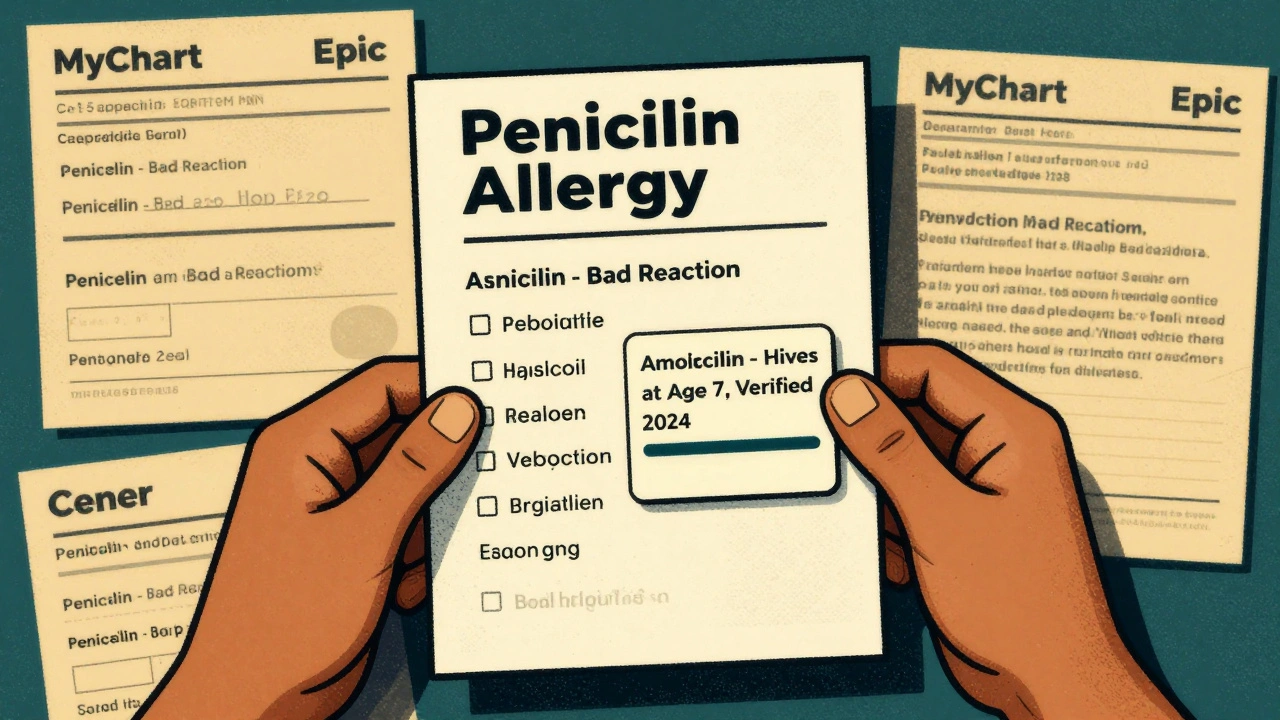
Learn how to update your allergy list across all healthcare providers to prevent dangerous medication errors. Follow a step-by-step guide to verify, correct, and sync your drug allergy records using patient portals and federal standards.
Continue Reading