Bile Acid Sequestrants: How They Lower Cholesterol and What You Need to Know
When your body makes too much bile acid sequestrants, a class of cholesterol-lowering medications that bind bile acids in the intestine to prevent their reabsorption. Also known as bile acid resins, they’re one of the oldest drug types still used today to tackle high LDL cholesterol without touching the liver. Unlike statins that block cholesterol production, these drugs force your body to use up stored cholesterol to make more bile — lowering what’s circulating in your blood.
They work in the gut, not the liver. That’s why they’re often paired with statins: one reduces production, the other boosts clearance. Common ones include cholestyramine, colesevelam, and colestipol. You take them as powders or tablets, usually with meals. But they don’t absorb well on their own — they need water and food to bind bile acids properly. If you skip meals or don’t drink enough, they won’t work as well. And because they stick to other drugs in your gut, they can mess with absorption of things like thyroid meds, warfarin, or even birth control pills. Timing matters: take other meds at least 4 hours before or after.
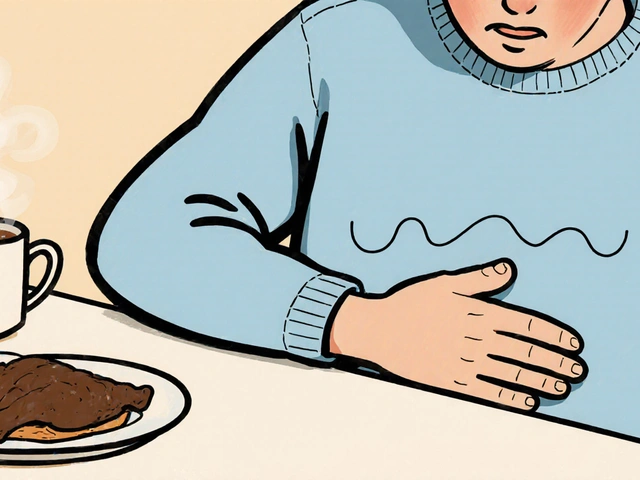
Side effects? Mostly digestive. Bloating, constipation, nausea — it’s why some people stop taking them. But for folks who can’t tolerate statins, or have familial hypercholesterolemia, these drugs are a lifeline. They’re also safe for pregnant women and kids, unlike many other cholesterol drugs. And because they’re not absorbed into the bloodstream, they don’t cause muscle pain or liver issues like statins sometimes do. They’re not magic — they lower LDL by 15% to 30%, not 50% — but when combined with diet and exercise, they add up.
What you won’t find in the ads: these drugs don’t help triglycerides. In fact, they can make them worse in some people. That’s why doctors check your full lipid panel before prescribing them. They’re not first-line anymore, but they’re not obsolete either. If you’ve got high LDL, can’t take statins, or need a little extra push, bile acid sequestrants are still a valid, time-tested tool. And in the posts below, you’ll see real cases — from how they interact with thyroid meds to why some patients stick with them despite the grittiness of the powder form. You’ll also find how they stack up against newer drugs, what the latest guidelines say, and how to manage the side effects without quitting.
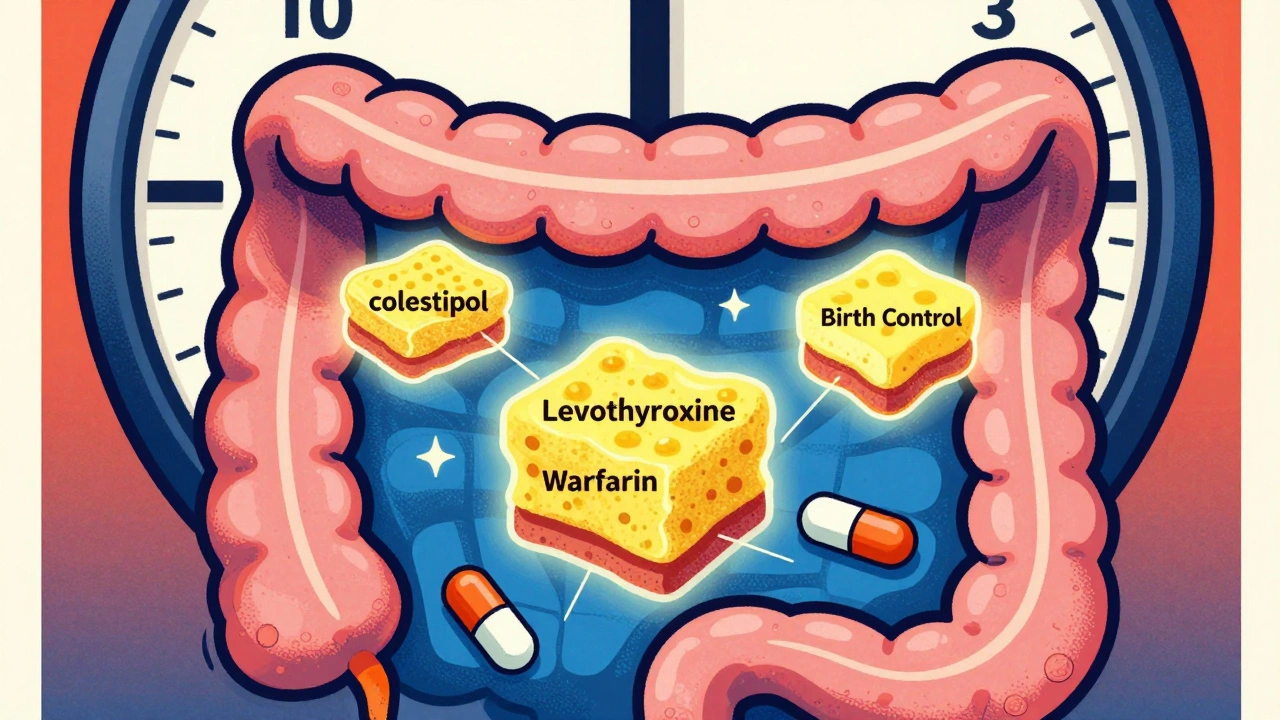
Bile acid sequestrants lower cholesterol but can bind to other medications, reducing their effectiveness. Learn the exact timing rules to avoid dangerous interactions with warfarin, thyroid meds, birth control, and more.
Continue Reading