DOACs: What They Are, How They Work, and What You Need to Know
When you hear DOACs, Direct Oral Anticoagulants are a class of medications used to prevent dangerous blood clots without requiring regular blood tests. Also known as novel oral anticoagulants, they’ve replaced warfarin for millions of people with atrial fibrillation, deep vein thrombosis, or pulmonary embolism. Unlike old-school blood thinners, DOACs work quickly, don’t need constant monitoring, and interact with fewer foods and drugs. But they’re not magic—they come with their own risks, especially when it comes to bleeding.
DOACs include drugs like apixaban, a commonly prescribed anticoagulant used to reduce stroke risk in atrial fibrillation, rivaroxaban, used for both clot prevention and treatment after surgery, and dabigatran, often chosen for its predictable dosing and lower risk of brain bleeds. These drugs block specific proteins in your blood—factor Xa or thrombin—that are essential for clotting. That’s why they’re so effective. But if you fall, hit your head, or need emergency surgery, that same mechanism can turn dangerous. Unlike warfarin, there’s no easy antidote for all DOACs, though reversal agents exist for some.
People on DOACs often worry about bleeding. It’s not rare—about 1 in 10 users will have a major bleed over five years. The risk goes up with age, kidney problems, or if you’re also taking NSAIDs like ibuprofen. That’s why doctors check kidney function before prescribing and may avoid DOACs in people with severe kidney disease. And while DOACs don’t need weekly blood tests, they’re not risk-free. If you’re on one, you need to know the signs of internal bleeding: unusual bruising, dark stools, vomiting blood, or sudden headaches. Emergency rooms now have protocols for DOAC reversal, but acting fast matters.
What’s interesting is how DOACs changed the game for patients. No more weekly INR checks. No more avoiding leafy greens. But they also shifted responsibility—patients now have to be more aware of drug interactions and kidney health. And while they’re often cheaper than warfarin when you factor in testing costs, insurance formularies still play a big role in which one you get. Some DOACs work better for certain conditions. Apixaban, for example, has shown lower bleeding rates in older adults compared to others. And if you’re taking one, you need to know what to do if you miss a dose—because skipping even one day can raise your clot risk.
The posts below dig into the real-world issues around DOACs: how to handle bleeding emergencies, why some people still end up on warfarin, how kidney function changes dosing, and what happens when these drugs interact with other meds like PPIs or antibiotics. You’ll find practical advice from patients and doctors alike—no theory, no fluff. Just what you need to know if you’re taking one, caring for someone who is, or just trying to understand why your doctor chose this over the old options.

Warfarin and DOACs are both blood thinners, but DOACs are now safer and more convenient for most people. Learn how they differ in bleeding risk, kidney safety, cost, and daily use.
Continue Reading
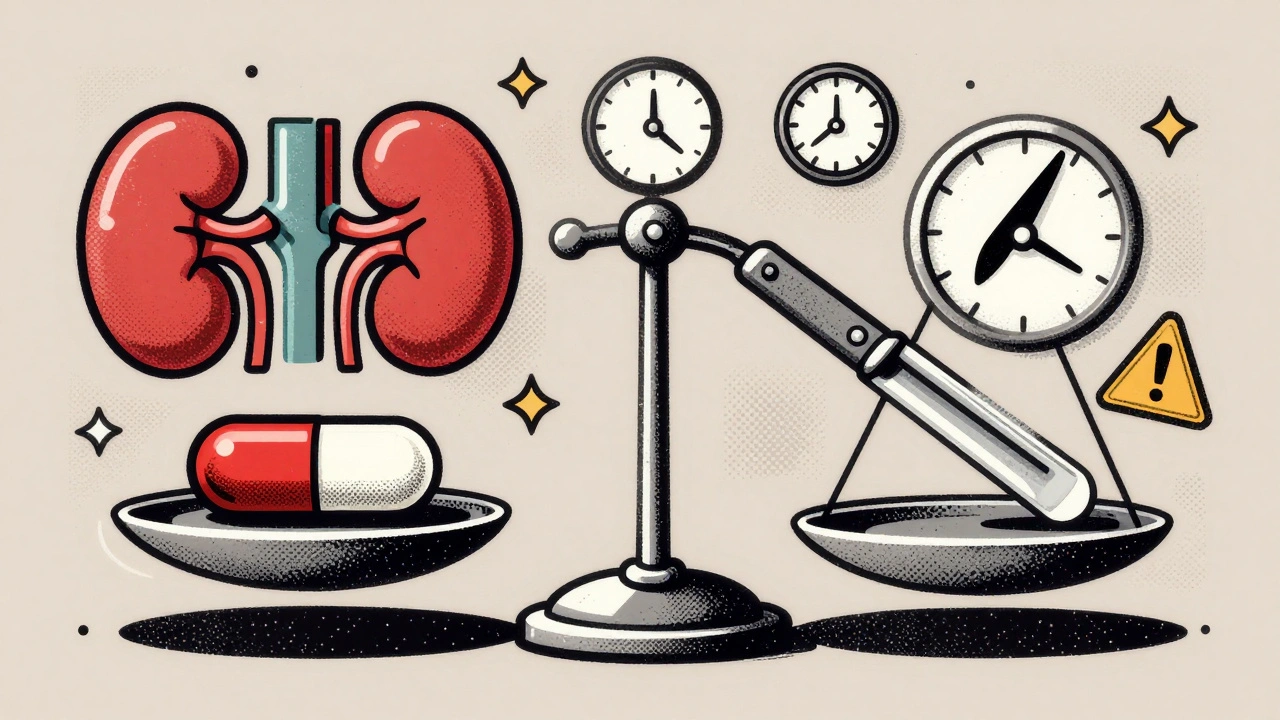
Learn how to safely pause blood thinners before surgery without increasing the risk of clots or bleeding. Updated guidelines for DOACs, warfarin, reversal agents, and timing based on 2023-2024 evidence.
Continue Reading