Drug Side Effects: What They Are, Why They Happen, and How to Handle Them
When you take a medication, your body doesn’t just see the benefit—it also reacts to the chemical itself. Drug side effects, unintended physical or mental responses to a medication that aren’t the intended therapeutic outcome. Also known as adverse drug reactions, these are not rare glitches—they’re a normal part of how medicines work in complex human systems. Even the safest pills can cause dry mouth, dizziness, or nausea. Some, like certain antidepressants or blood thinners, can trigger serious issues like bleeding, mood swings, or heart rhythm problems. The key isn’t avoiding all side effects—it’s knowing which ones are normal, which are dangerous, and what to do next.
Drug interactions, when one medication changes how another works in your body are a major reason side effects get worse. Take a common example: levothyroxine and heartburn drugs like omeprazole. One blocks the other’s absorption, making your thyroid treatment useless. Or consider MAOIs and cold medicines—mixing them can spike your blood pressure to deadly levels. Then there’s pharmacokinetic interactions, how your body absorbs, breaks down, or removes drugs. If your kidneys aren’t working well, drugs like NSAIDs or diuretics build up and turn toxic. These aren’t theoretical risks—they’re real, documented, and often preventable.
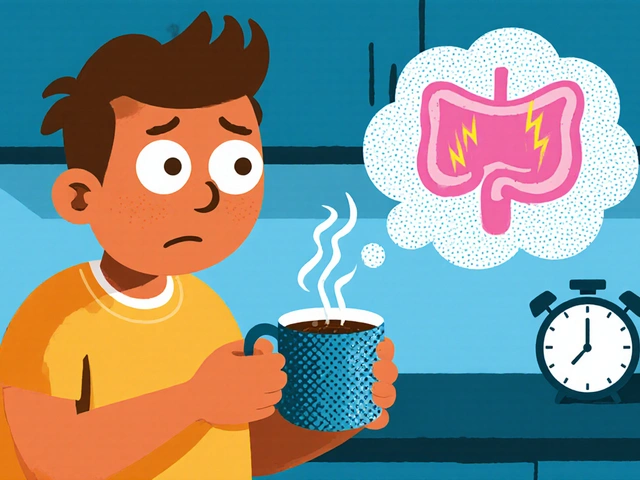
Side effects aren’t just about pills. They show up in unexpected ways: losing your sense of smell after an antibiotic, bladder spasms from coffee, or sudden mood crashes on steroids. Some reactions, like drug-induced TTP or QT prolongation from methadone, are rare—but deadly if missed. That’s why knowing your meds matters. You don’t need to memorize every possible side effect. You need to know what’s normal for you, what’s a red flag, and when to call your doctor. The posts below give you exactly that: real cases, clear explanations, and practical steps to stay safe without quitting your treatment. Whether you’re managing prednisone mood swings, adjusting doses for kidney disease, or watching for bleeding on blood thinners, you’ll find answers that actually help.
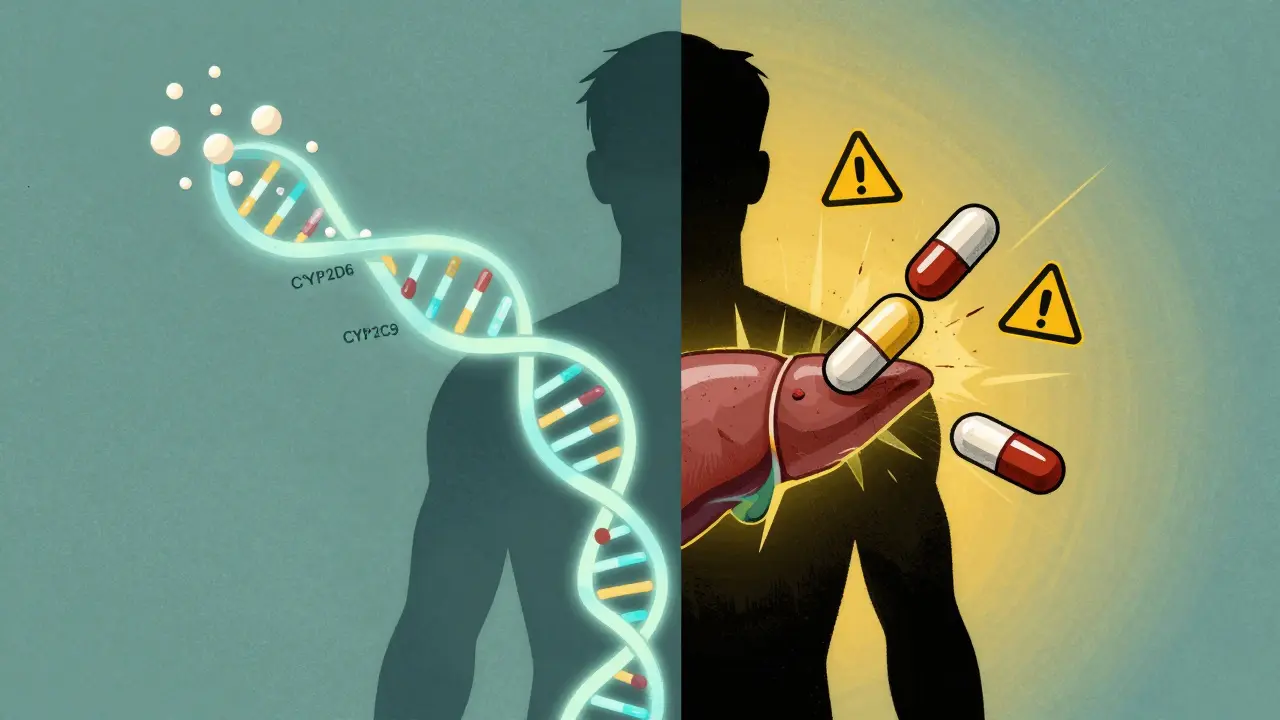
Medications affect people differently due to genetics, age, other drugs, and lifestyle. Some people metabolize drugs too slowly or too fast, leading to side effects or treatment failure. Genetic testing can help personalize dosing and prevent dangerous reactions.
Continue Reading
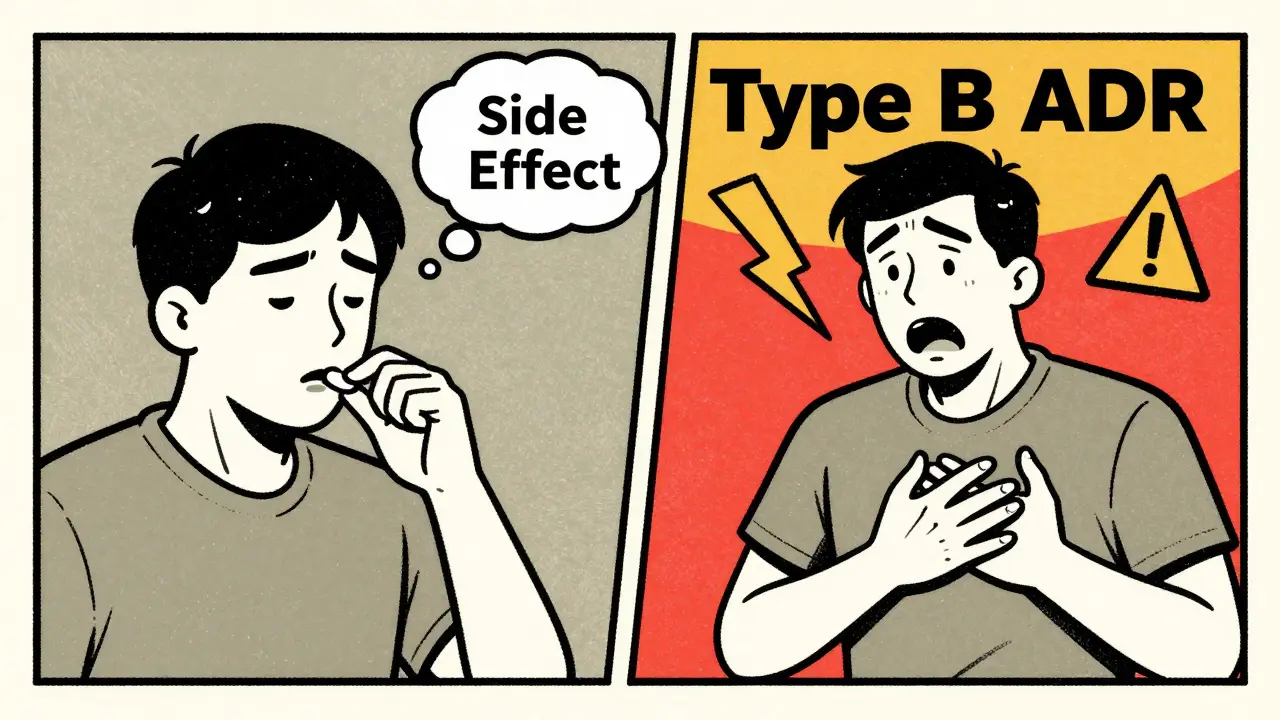
Learn the real difference between medication side effects and adverse drug reactions - why confusing them can lead to dangerous decisions, and how to tell them apart in real life.
Continue Reading
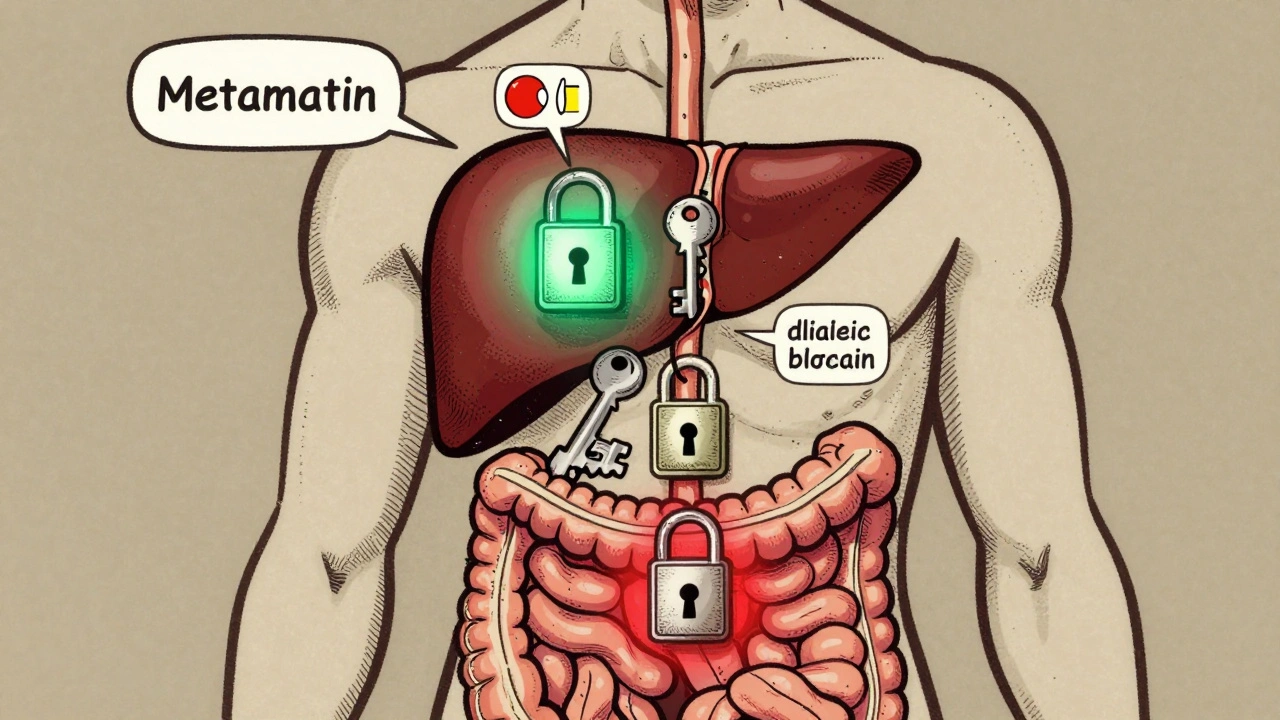
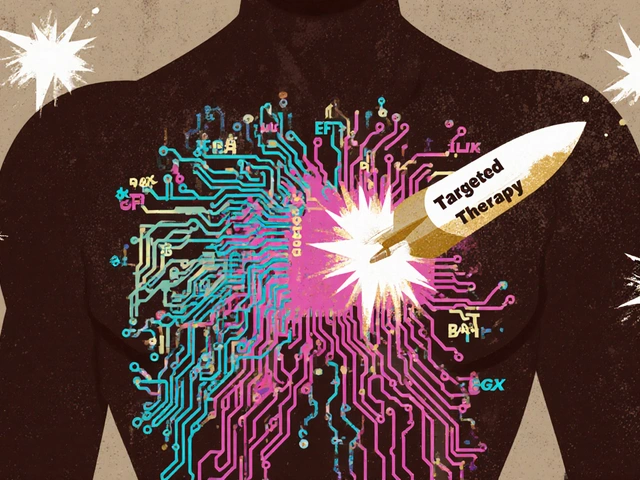
Learn how on-target and off-target drug effects cause side effects, why some drugs fail in trials, and how scientists are predicting toxicity before patients take them. Real examples from cancer, heart, and diabetes meds.
Continue Reading