FDA Foreign Inspections: What You Need to Know About Global Drug Safety Checks
When you take a pill, it might have been made halfway across the world—and the FDA foreign inspections, official checks by the U.S. Food and Drug Administration on overseas drug manufacturing sites. Also known as FDA overseas audits, these inspections are the last line of defense before your medicine hits the shelf. Most prescription drugs sold in the U.S. are produced outside the country, mostly in India and China. The FDA doesn’t just trust paperwork—they send teams to walk through factories, check equipment, review records, and test samples on-site. One failed inspection can block entire shipments, and repeated failures can shut down a plant.
These inspections focus on GMP compliance, Good Manufacturing Practices that ensure drugs are consistently produced and controlled according to quality standards. That means checking if workers follow clean procedures, if machines are calibrated right, and if raw materials are real—not fake or contaminated. They also look at how drugs are stored and shipped. A single batch of insulin or blood pressure medicine made in unsanitary conditions can cause illness or death. That’s why the FDA doesn’t just inspect a few factories—they’ve ramped up visits to over 50% of foreign drug plants in the last decade.
It’s not just about safety—it’s about fairness. If a U.S. company follows strict rules but a foreign competitor cuts corners, the playing field isn’t level. FDA foreign inspections help keep everyone accountable. They also catch problems before they become outbreaks: contaminated heparin, toxic cough syrup, or pills with no active ingredient have all been stopped because of these checks.
You won’t see the results of these inspections on your pill bottle, but they’re why your medication works the way it should. Behind every safe drug is a team of FDA inspectors in a factory abroad, asking the same questions you would: Is this clean? Is this real? Is this safe?
Below, you’ll find real-world stories and guides that show how these inspections connect to what you take every day—from generic pills to life-saving treatments. Whether you’re worried about counterfeit drugs, wondering why your prescription costs less than it used to, or just want to know who’s watching over your health, the posts here break it all down—no jargon, no fluff, just what matters.
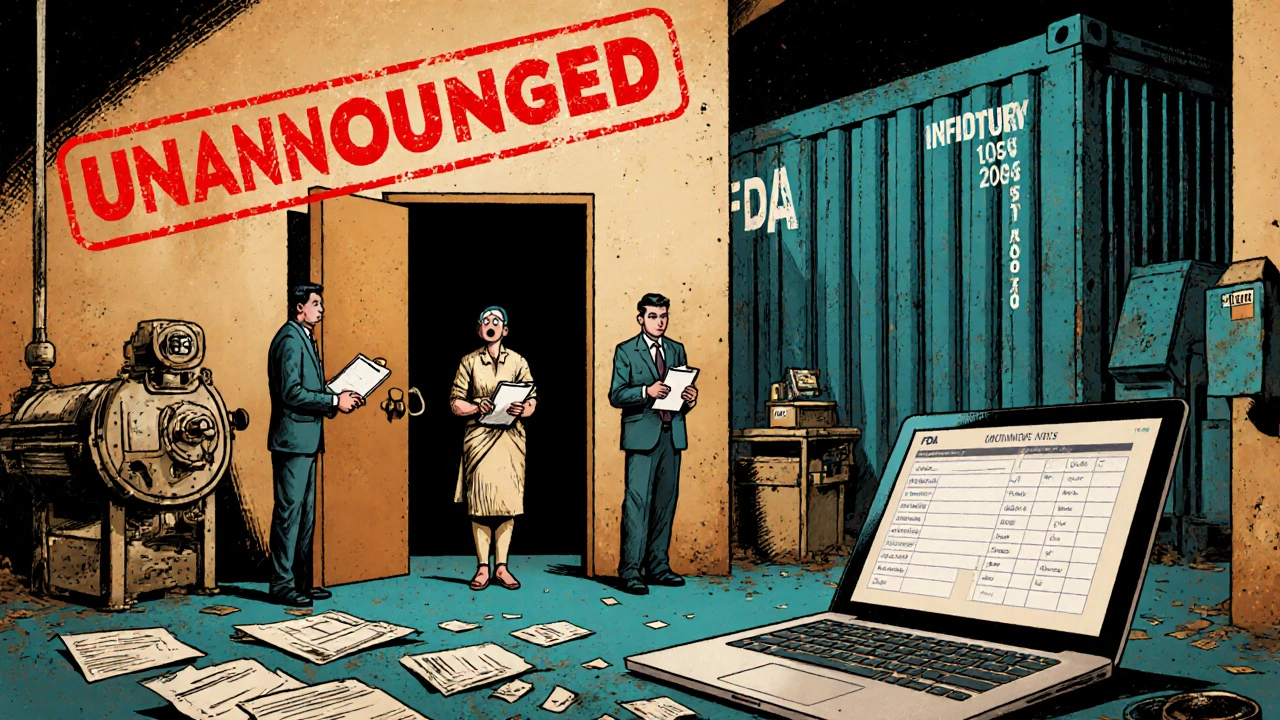
The FDA now conducts unannounced inspections of overseas food and drug facilities to ensure safety standards match U.S. requirements. Learn what foreign manufacturers must do to stay compliant in 2025.
Continue Reading