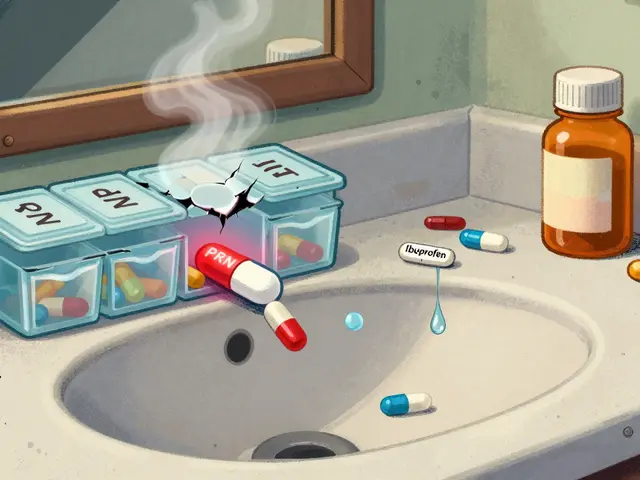
Kidney Function: How Medications Affect Your Kidneys and What to Watch For
When we talk about kidney function, the ability of your kidneys to filter waste and regulate fluid and electrolytes in your body. Also known as renal function, it’s not just about peeing—it’s about keeping your whole system balanced. If your kidneys aren’t working right, even common pills can turn dangerous. That’s because your kidneys are the main way your body gets rid of most medications. When they slow down, those drugs stick around longer than they should, building up to toxic levels. This isn’t rare—it happens every day to people with chronic kidney disease (CKD), a long-term condition where kidney function gradually declines, and even to older adults whose kidneys naturally slow with age.
Some drugs are especially risky when kidney function drops. NSAIDs, like ibuprofen or naproxen, commonly used for pain and inflammation can cut blood flow to the kidneys and make things worse. Sulfonylureas, a type of diabetes pill that lowers blood sugar, can cause dangerous drops in glucose if your kidneys can’t clear them. And blood thinners like warfarin or apixaban? They can lead to serious bleeding if they hang around too long. These aren’t theoretical risks—they’re documented in real patients who ended up in the hospital because their doses weren’t adjusted for their kidney health.
The problem isn’t always obvious. You might feel fine, take your meds as usual, and not realize your kidneys are struggling. That’s why it’s critical to know your numbers—especially your eGFR, a simple blood test that estimates how well your kidneys are filtering. If your doctor hasn’t checked it in the last year and you’re on regular meds, ask. Many people with medication toxicity, the harmful buildup of drugs due to poor kidney clearance don’t realize what’s happening until it’s too late. The good news? Most of these risks are preventable. Dosing changes, switching to safer alternatives, or just monitoring closer can keep you out of trouble.
What you’ll find below isn’t just a list of articles—it’s a practical guide to navigating the hidden dangers between your pills and your kidneys. From how Lasix affects fluid balance to why levothyroxine and acid reducers interfere with absorption, these posts break down real cases, real risks, and real solutions. Whether you’re managing CKD, taking multiple meds, or just want to avoid a surprise hospital visit, this collection gives you the facts you need to stay in control.
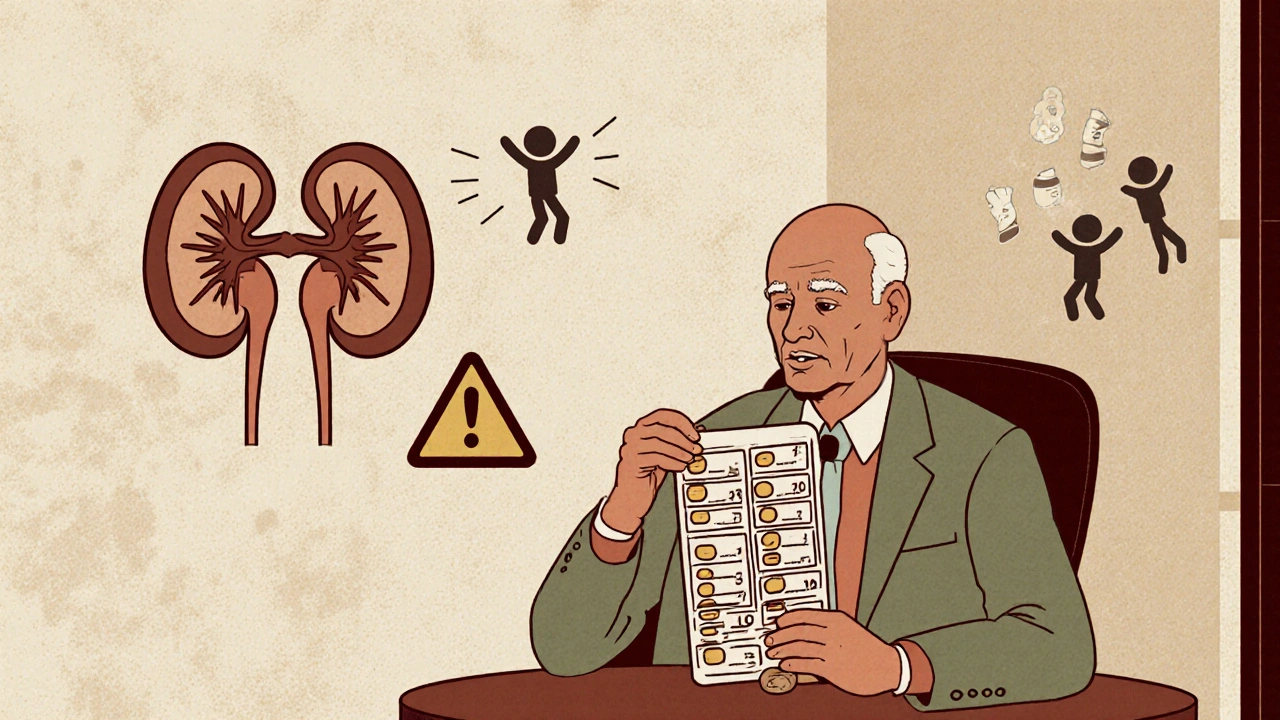
Elderly patients with kidney impairment are at high risk of drug toxicity. Learn how to adjust medication doses using GFR, avoid dangerous errors, and use the latest guidelines to keep seniors safe.
Continue Reading