Levothyroxine: What It Is, How It Works, and What You Need to Know
When your thyroid doesn’t make enough hormone, your body slows down—fatigue sets in, weight creeps up, and even simple tasks feel harder. That’s where levothyroxine, a synthetic form of the thyroid hormone thyroxine (T4) used to replace what your body can’t produce. Also known as synthroid, it’s the most prescribed thyroid medication in the world, helping millions regain normal energy, metabolism, and mood. But it’s not just about popping a pill. Getting the dose right takes time, and it’s affected by other drugs, foods, and even your other health conditions.
Levothyroxine works by replacing the hormone your thyroid should be making. It doesn’t fix your thyroid—it replaces its job. That means you’ll likely take it for life. But here’s the catch: it interacts with a lot of other things. If you’re on anticoagulants, blood thinners like warfarin or apixaban that can become more potent when combined with thyroid hormone, your doctor needs to watch your INR levels closely. If you have kidney disease, a condition that slows how your body clears drugs, leading to potential buildup, your dose may need to be lower. Even something as simple as taking it with coffee, calcium, or iron can block absorption. That’s why timing matters—take it on an empty stomach, at least 30 to 60 minutes before breakfast.
Many people feel better within weeks, but full effects can take months. And if your dose is too high? You might end up with symptoms that look like hyperthyroidism—racing heart, anxiety, weight loss, or even bone thinning over time. Too low, and you’re back to feeling tired and sluggish. Regular blood tests (TSH and free T4) are non-negotiable. And if you’re pregnant, your dose often needs to go up—your body’s demand for thyroid hormone increases, and untreated low thyroid can affect your baby’s brain development.
You’ll find posts here that dig into real-life issues: how levothyroxine affects blood sugar in people with diabetes, why some patients still feel off even when labs look fine, and how it interacts with other meds like proton pump inhibitors or statins. There’s no one-size-fits-all answer. What works for one person might not work for another. That’s why understanding your own body’s response, tracking symptoms, and working with your doctor—not just your lab results—is the real key to feeling better.
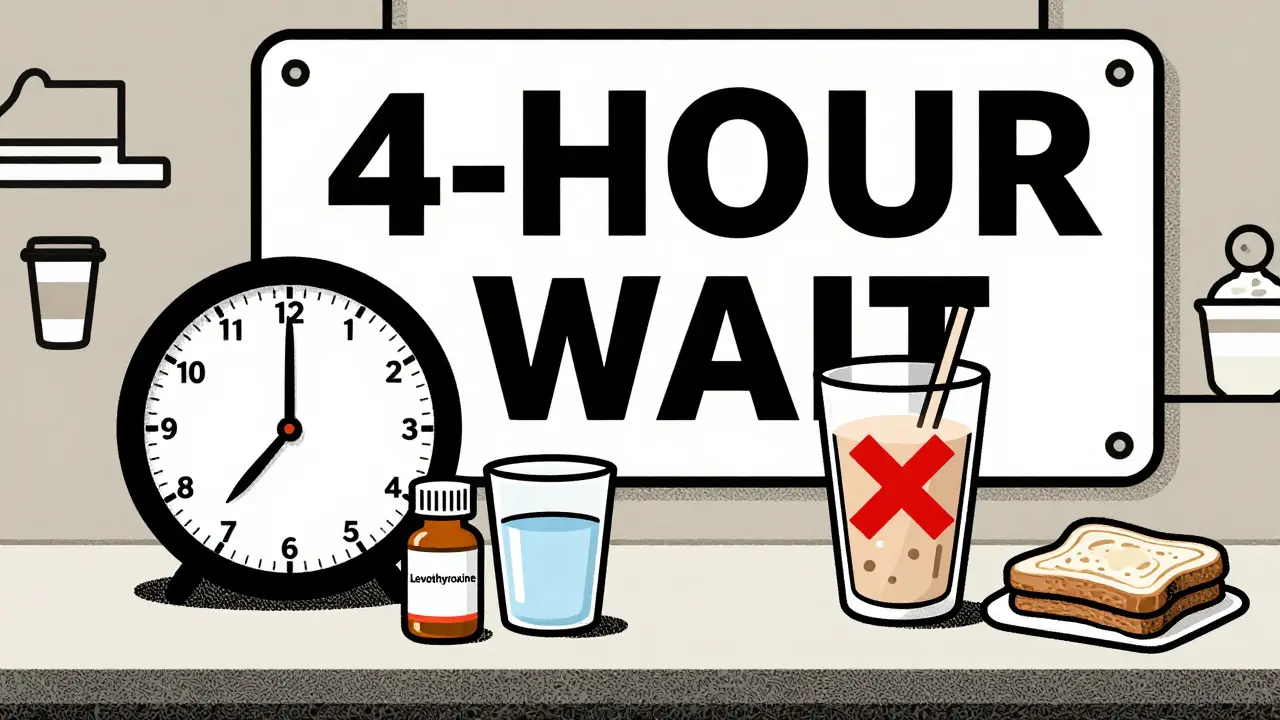
Learn how protein shakes interfere with levothyroxine absorption and discover the 4-hour timing rule that keeps your thyroid medication working. Morning or evening dosing? Which protein is safest? Real data, real results.
Continue Reading
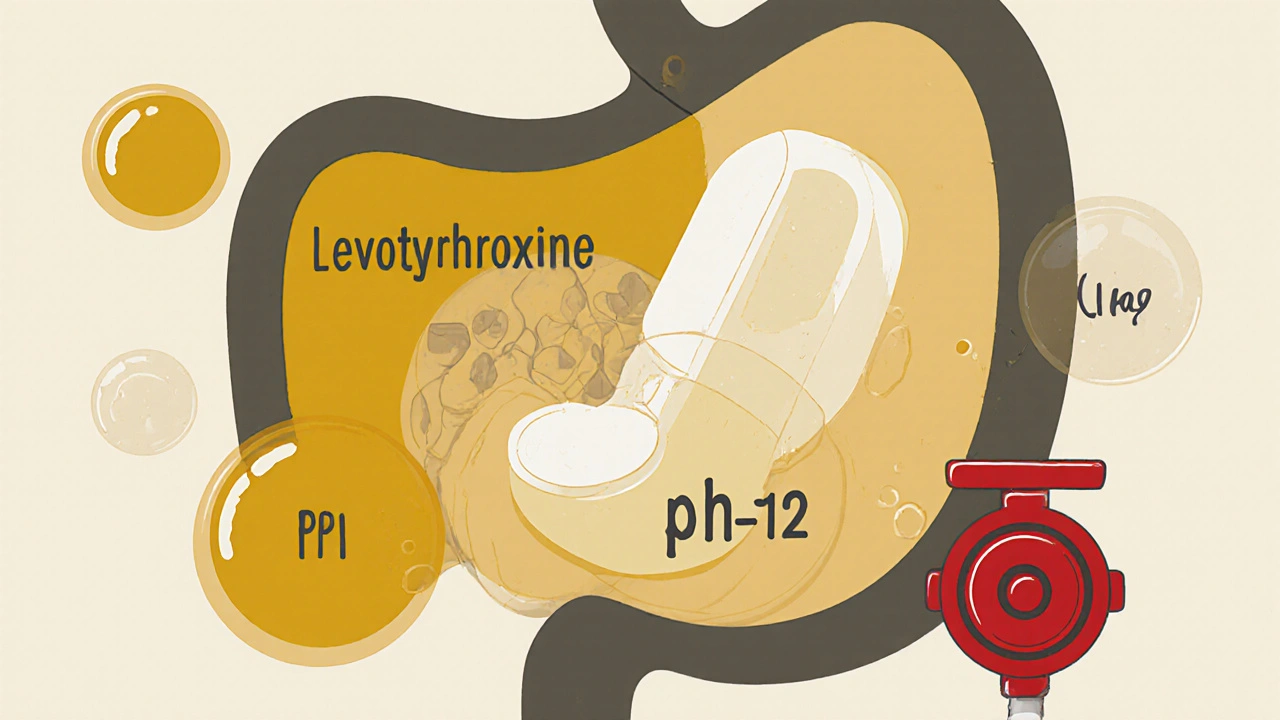
Levothyroxine and proton pump inhibitors (PPIs) can interfere with each other, reducing thyroid hormone absorption and raising TSH levels. Learn how to spot the interaction and what to do about it.
Continue Reading