How to Use a Pill Organizer Safely Without Overdosing
Using a pill organizer seems simple: dump your meds into compartments labeled "Morning," "Evening," and you’re done. But here’s the hard truth-pill organizers can save your life, or they can kill you if used wrong. Every year, thousands of people end up in emergency rooms because they took too much of something they thought they’d already taken. It’s not because they’re careless. It’s because no one taught them how to use these devices properly.
Why Pill Organizers Are Risky If Used Wrong
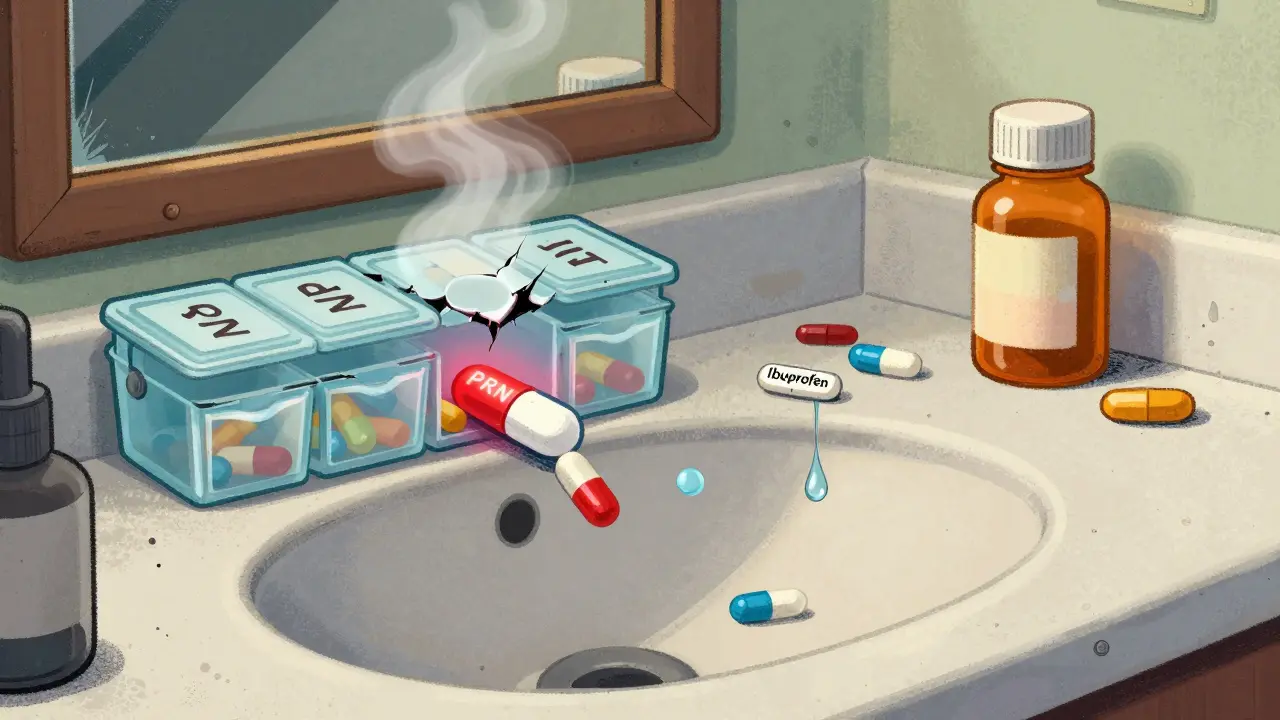
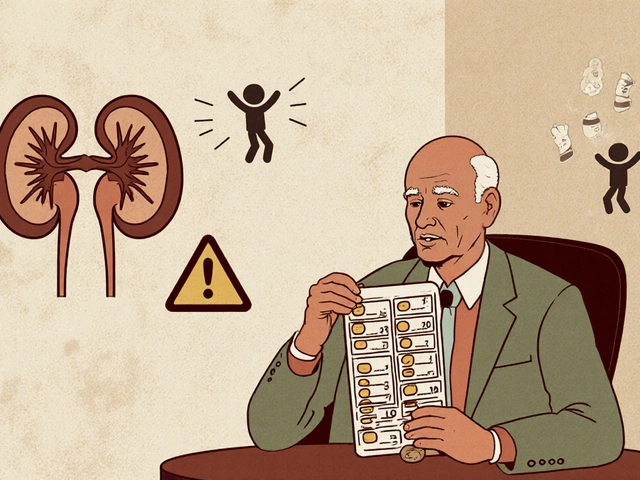
Pill organizers aren’t magic. They’re tools. And like any tool, they can backfire. A 2022 study in the Journal of the American Geriatrics Society found that when people use pill organizers incorrectly, their risk of accidental overdose goes up by 23%. That’s not a typo. The very thing meant to prevent mistakes is making them worse. The biggest danger? Mixing "as needed" meds-like painkillers or anxiety pills-with your daily schedule. If you put ibuprofen or alprazolam in the same compartment as your blood pressure pill, you’re setting yourself up for disaster. People forget which is which. They take "morning" pills and think, "I didn’t feel well yesterday, maybe I need another one today." That’s how overdoses happen. Another big problem? Using old bottles to refill. If your doctor changed your dose last month but you’re still using the label from six months ago, you’re filling your organizer with the wrong pills. WebMD reports that 28% of medication errors come from this exact mistake.What Kind of Organizer Should You Use?
Not all pill organizers are created equal. Here’s what to look for:- Basic weekly (7 days x 1 time per day): $3-$9. Good for simple regimens. But if you take meds more than once a day, skip this.
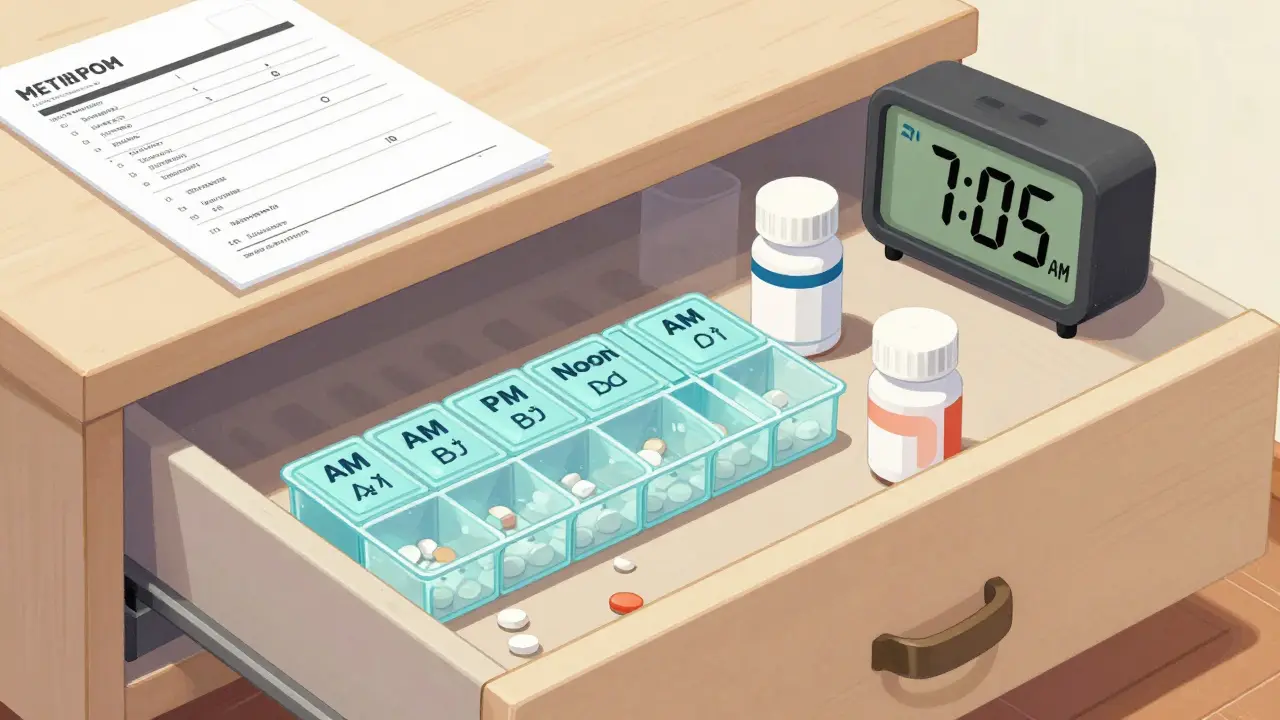
- Multi-dose daily (7 days x 2-4 times): $5-$15. Best for most people on multiple medications. Look for clearly labeled AM, PM, Noon, Bed.
- Electronic organizers with alarms: $25-$100. These beep, flash, or even send alerts to a caregiver. Worth it if you forget often.
Check for child-resistant lids (ASTM F3130-15 standard) if kids or pets are around. Avoid cheap plastic ones that crack easily-cracks let in moisture, which ruins pills. And never store your organizer in the bathroom. Steam from showers can soften pills, make them stick together, or even break down the active ingredients. Kaiser Permanente says humidity above 60% speeds up degradation by nearly half. Keep it in a dry drawer, not above the sink.
The 5-Step Safe Filling Protocol
This isn’t guesswork. This is the method used by pharmacists at Memorial Sloan Kettering and endorsed by the CDC. Do it every time:- Get your current medication list-from your doctor or pharmacy. Not your memory. Not last year’s list. The current one. Print it out.
- Wash your hands with soap for 20 seconds. You’re handling medicine. Clean hands prevent contamination.
- Take one medication at a time. Don’t grab five bottles and dump them all. Pick up one bottle. Read the label. Count the pills. Place them in the correct compartment. Then put the bottle back. Repeat. This cuts double-dosing errors by 63%.
- Verify each compartment. Before closing the lid, look at each slot. Is there only one kind of pill? Does the count match the label? If two pills look alike (like blue tablets), keep them in separate organizers. Don’t risk confusion.
- Keep original bottles nearby. Always. Never toss them. You need them to double-check when you’re unsure. Hero Health found that 68% of errors happen when people don’t have the original labels to compare.
Set aside 15-20 minutes once a week-Sunday morning works well for most people-to refill. Rushing leads to mistakes. A 2023 study showed 87% of people who stuck to a weekly routine had zero dosing errors.
What NOT to Put in a Pill Organizer
Some medications are too sensitive-or too dangerous-to be moved from their original packaging. Never put these in a pill box:- Refrigerated drugs (like insulin or some antibiotics). Heat ruins them.
- Liquid medications. They leak, mix, and spoil.
- Chewable or dissolvable pills. They stick together or crumble.
- Soft gel capsules. They can melt or burst in heat or humidity.
- "As needed" (PRN) medications. Painkillers, anti-anxiety meds, sleep aids. These should stay in their original bottles, labeled clearly, and taken only when needed. Putting them in your daily box is the #1 cause of overdose.
Memorial Sloan Kettering’s 2023 guide says 38% of accidental overdoses from organizers happen because PRN meds were mixed in. That’s not a coincidence. That’s a warning.
How to Spot Trouble Early
You don’t have to wait for an emergency to catch a mistake. Watch for these red flags:- You’re running out of pills faster than expected.
- You can’t remember if you took your morning dose.
- You find extra pills in your pocket, purse, or car.
- Your organizer looks damp, sticky, or smells odd.
- Someone else (a caregiver, relative) says they think you’re taking too much.
If any of these happen, stop. Don’t guess. Call your pharmacist. Don’t wait until you feel sick.
When to Ask for Help
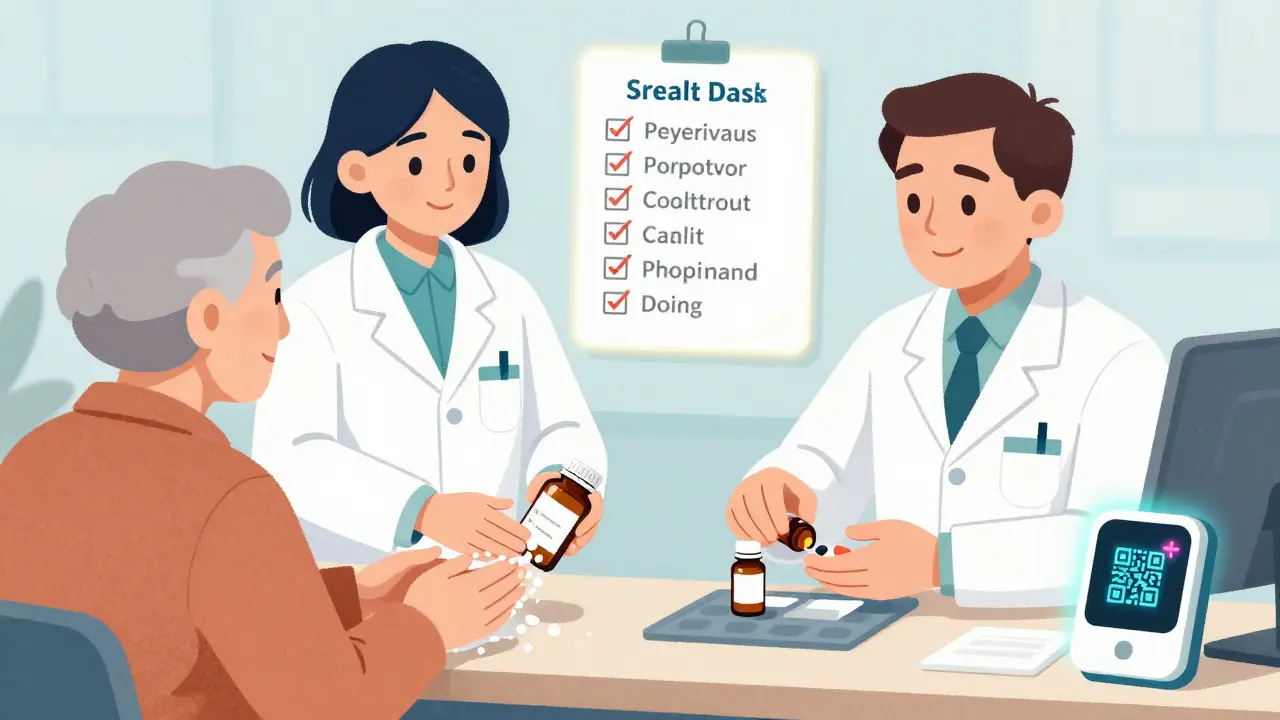
You don’t have to do this alone. Many pharmacies now offer free organizer filling services. In 2023, 68% of U.S. pharmacies started offering this-pharmacists will sit with you, verify every pill, and label everything clearly. Medicare even covers smart organizers for people with four or more chronic conditions. If you’re helping someone else-like a parent or partner-use a checklist. Write down each medication, the dose, and the time. Tape it to the organizer. Use color-coded stickers if pills look similar. Set phone alarms 15 minutes before each dose. Studies show this cuts verification errors by 44%.What’s Changing in 2026
Technology is catching up. New smart organizers now track when compartments are opened. If someone opens the morning slot twice in four hours, the device sends an alert to your phone or caregiver. Some even have weight sensors that detect if you took the full dose. Pfizer is testing QR codes on lids-scan it, and a short video plays explaining the pill’s purpose and risks. But here’s the catch: none of this replaces human verification. Even the smartest device can’t tell if you’re confused, scared, or pretending you took your pills. That’s why the simplest, oldest rule still wins: one pill at a time. Always check the label. Never guess.Can I put all my pills in one organizer?
No-not all of them. Only solid oral pills that are stable at room temperature. Never put in liquids, refrigerated drugs, chewables, soft gels, or "as needed" meds. Always keep original bottles for those.
Is it safe to refill my pill organizer from memory?
Absolutely not. One in three medication errors comes from using outdated labels or memory. Always use your current, printed medication list from your pharmacy or doctor. Compare every pill to the label before placing it in the organizer.
Why shouldn’t I store my pill organizer in the bathroom?
Bathrooms are humid. Steam from showers can damage pills, cause them to stick together, or break down the active ingredients. Studies show medication degradation speeds up by nearly 50% in high-humidity environments. Store your organizer in a cool, dry place like a bedroom drawer.
What should I do if I think I took a double dose?
Call your pharmacist or poison control immediately. Do not wait for symptoms. Have your medication list ready. Even if you feel fine, some overdoses don’t show symptoms right away. It’s better to be safe.
Are electronic pill organizers worth the cost?
If you forget doses often, have memory issues, or manage 5+ medications daily, yes. Alarms reduce errors by 44%. Some models even alert caregivers. Medicare covers them for people with four or more chronic conditions. The cost is small compared to an ER visit.



15 Comments
Aisling Maguire
February 27 2026I used to dump all my meds in one of those cheap plastic organizers until I nearly took four ibuprofen at once because I forgot which was which. Now I keep my PRN stuff in the original bottle on the fridge with a big red sticker. Game changer. My pharmacist even gave me color-coded stickers for my daily ones. Simple but lifesaving.
Full Scale Webmaster
February 28 2026Let me tell you something nobody else will say out loud - this whole pill organizer trend is a capitalist scam designed to make seniors feel like they’re in control while actually increasing their risk. The FDA doesn’t even regulate these things properly. I’ve seen people with six different blood pressure meds all jumbled in a 7-day box because Walmart sold them a $4.99 version with no labeling. And don’t get me started on the ‘smart’ ones that cost $90 and still glitch when the Wi-Fi drops. You think you’re being safe? You’re just another data point in a corporate profit graph. The real solution? A nurse. A human. Someone who looks you in the eye and says, ‘Did you take that?’ Not a blinking light.
Sophia Rafiq
March 1 2026I swear by the one-at-a-time method. No shortcuts. Wash hands, print list, one bottle at a time. I do it Sunday mornings with coffee. If I’m distracted, I wait. My pharmacist says 90% of errors happen when people multitask while refilling. I used to think I was efficient. Turns out I was just lucky.
Martin Halpin
March 3 2026Okay but have you considered that maybe the real problem isn’t the organizer - it’s the fact that we’re on 8 different medications and nobody ever explains how they interact? My grandma’s organizer had 14 pills in it. She didn’t even know what half of them were for. The system is broken. We’re not supposed to be pharmacists. We’re supposed to be patients. And yet we’re expected to become clinical technicians on top of dealing with arthritis, dementia, and Medicare paperwork. This isn’t safety. It’s institutional neglect dressed up as a DIY fix.
Lisa Fremder
March 4 2026I don’t get why people are so obsessed with these gadgets. Back in my day we just took what the doctor said. No alarms, no color codes, no smart boxes. Now everyone’s got a whole system. It’s overcomplicating things. I’ve been on the same meds for 12 years. I know what I take. I don’t need a checklist. This whole post feels like fearmongering.
Justin Ransburg
March 5 2026This is one of the most thoughtful, practical guides I’ve read on medication safety. The 5-step protocol is gold. I’ve shared it with my entire senior group at church. We’re organizing a monthly pharmacist visit day. It’s not about technology - it’s about community. We’re all in this together. Thank you for writing this.
Brandon Vasquez
March 7 2026I help my mom manage her meds. The original bottle rule saved us twice. Once she thought she took her lisinopril but hadn’t. The bottle said 10mg. The organizer had 25mg. We caught it because we looked. No alarm. No app. Just the label. Keep it simple. Keep it visible.
Miranda Anderson
March 7 2026I used to store mine in the bathroom because it was convenient. Then I noticed my thyroid pills were crumbling. I moved it to a drawer and now they last 6 months instead of 3. The humidity thing is real. I didn’t know that. Small change. Big difference. Also - never trust a pill that looks different. Even if it’s the same brand. Call the pharmacy. Always.
bill cook
March 9 2026You people are making this way too complicated. I take 3 pills. One in the morning, one at night, one when I feel like it. I put them all in a Ziploc. I don’t need a checklist. I don’t need a smart box. I know my body. I know my meds. If I take too much, I’ll know. It’s not rocket science. Stop scaring people with statistics.
Katherine Farmer
March 9 2026The CDC endorsement is laughable. This is just a glorified marketing pamphlet disguised as public health advice. The real issue is polypharmacy in the elderly - not the organizer. We’re overmedicating people into oblivion and then blaming them for not following a 5-step flowchart. The system is the problem. The organizer is just the symptom. Also, ‘Kaiser Permanente says’? Please. That’s a corporate health brand, not a scientific authority.
Brandie Bradshaw
March 10 2026I find it deeply troubling that we’ve reduced human health management to a checklist, a color-coded system, and a $100 electronic device - as if the body is a machine that can be calibrated with precision. We are not machines. We are fragile, evolving, emotional beings. A pill organizer may prevent a mechanical error - but it cannot address the loneliness, the fear, the confusion, the grief that often underlies medication non-adherence. We are treating symptoms while ignoring the soul of the problem. When was the last time someone asked, ‘How are you feeling today?’ - not ‘Did you take your pill?’
Noah Cline
March 10 2026The 23% overdose risk increase from incorrect organizer use is a red flag, but it’s not the whole picture. The real issue is polypharmacy without clinical oversight. If someone’s on 8+ meds, they shouldn’t be self-managing with a plastic box. They need a clinical pharmacist review - not a Sunday refilling ritual. The fact that 68% of pharmacies now offer free filling services is the only thing that gives me hope. We need to scale that. Not more checklists.
Charity Hanson
March 11 2026I’m from Nigeria and we don’t have pill organizers like this. We use small plastic bags with labels written in marker. But we have community health workers who check in every week. Maybe the real solution isn’t tech - it’s people. I started a WhatsApp group for elderly neighbors. We send voice notes saying ‘I took my meds.’ Simple. Free. Human. Works better than any alarm.
Eimear Gilroy
March 12 2026I’m curious - what about people with visual impairments? The whole system assumes you can read labels and count pills. My aunt has macular degeneration. She uses a voice-enabled pill dispenser now. But it cost $200 and Medicare denied coverage. Are we really helping, or just building systems for people who already have resources?
Ajay Krishna
March 13 2026This is beautiful. I’m an RN and I’ve seen too many people scared to ask for help. You made it clear: call your pharmacist. Don’t wait. Don’t guess. That’s the most important line. I tell my patients this every day. You don’t need to be perfect. You just need to be curious. And you’re never alone in this.