Medication Side Effects: What You Need to Know Before Taking Any Drug
When you take a medication side effects, unintended physical or mental reactions that occur after taking a drug. Also known as adverse reactions, they’re not rare mistakes—they’re predictable outcomes of how drugs interact with your body. Every pill, injection, or patch you use doesn’t just target your illness. It also touches every system in your body, and sometimes, it hits the wrong spot.
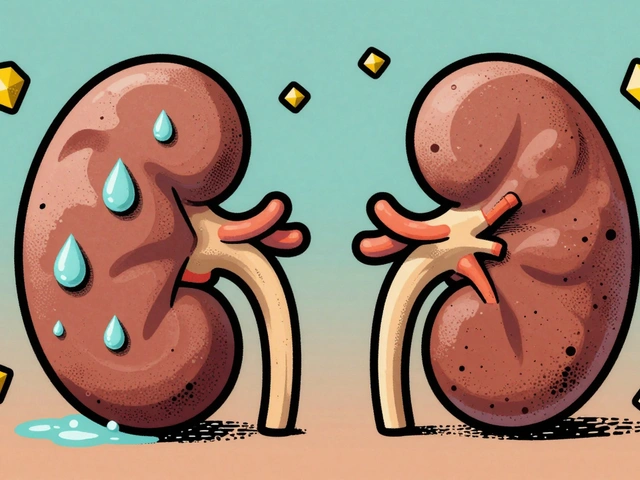
Some drug interactions, when two or more medications change how each other works in your body are obvious—like mixing MAOIs with cold medicine and risking a hypertensive crisis. Others hide in plain sight: proton pump inhibitors lowering thyroid hormone absorption, or statins quietly raising blood sugar. These aren’t accidents. They’re documented patterns, backed by real patient data and clinical guidelines. And if you have medication toxicity, a dangerous buildup of a drug due to poor clearance, often from kidney or liver issues, the risk isn’t just higher—it’s life-threatening.
It’s not just about the drug itself. Your age, weight, other conditions, even what you eat or drink can turn a safe dose into a problem. Someone with kidney disease taking NSAIDs? That’s not just a side effect—it’s a ticking time bomb. A person on prednisone experiencing mood swings? That’s not "just stress." It’s a known reaction affecting nearly half of users. These aren’t isolated cases. They’re patterns you’ll see repeated across the posts below.
You’ll find real stories here—not theory. How levothyroxine fails when taken with acid reflux meds. Why methadone can mess with your heart rhythm when combined with other drugs. How constipation from amitriptyline isn’t just annoying—it’s a sign you need to adjust. These aren’t warnings you hear once and forget. They’re patterns you need to recognize, track, and act on.
Knowing the difference between a minor itch and a bleeding emergency isn’t guesswork. It’s knowledge. And that’s what this collection gives you: clear, practical, no-fluff insights into what happens when your body meets your medicine—before it’s too late.
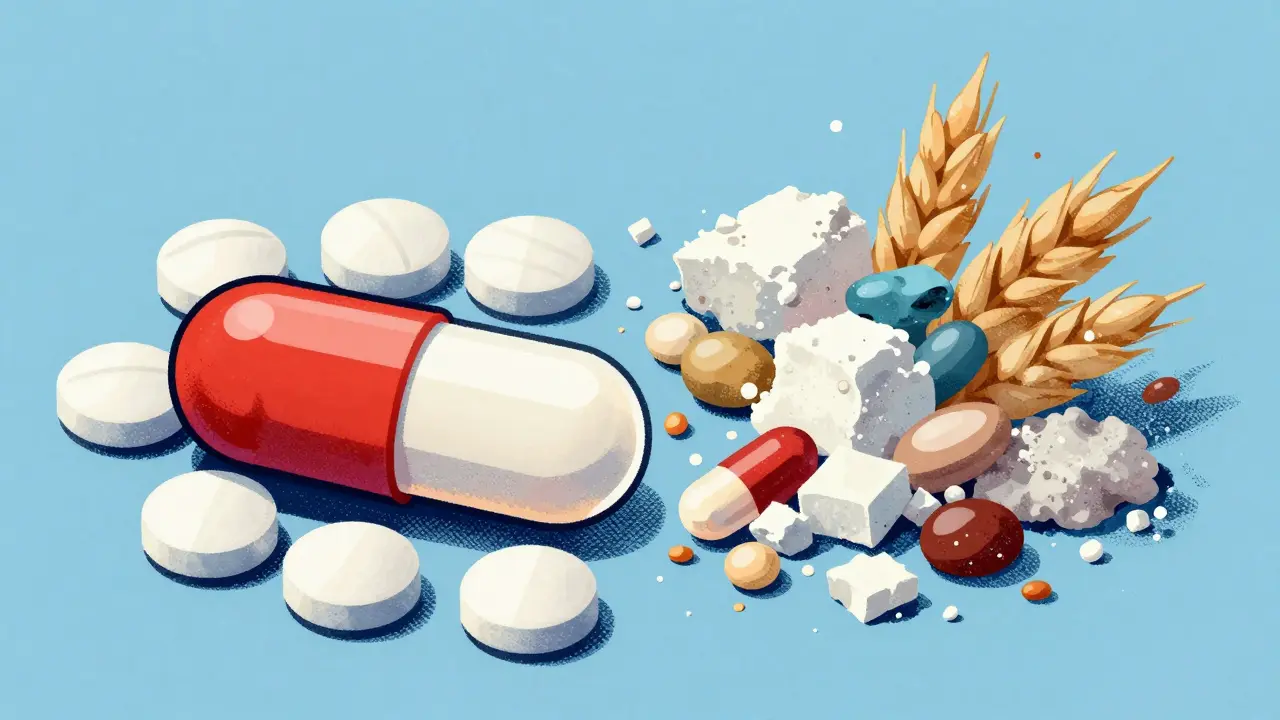
Switching to generic medication can cause unexpected side effects-not because the drug doesn't work, but because the inactive ingredients differ. Learn why some people feel different and what to do about it.
Continue Reading
Drug-induced thrombotic thrombocytopenic purpura is a rare but deadly reaction to certain medications. Learn which drugs can trigger it, how it’s diagnosed, and why quick action saves lives.
Continue Reading
Many medications can distort your sense of smell, causing food to taste foul or phantom odors to appear. Learn which drugs cause dysosmia, how long it lasts, and what you can do to recover.
Continue Reading
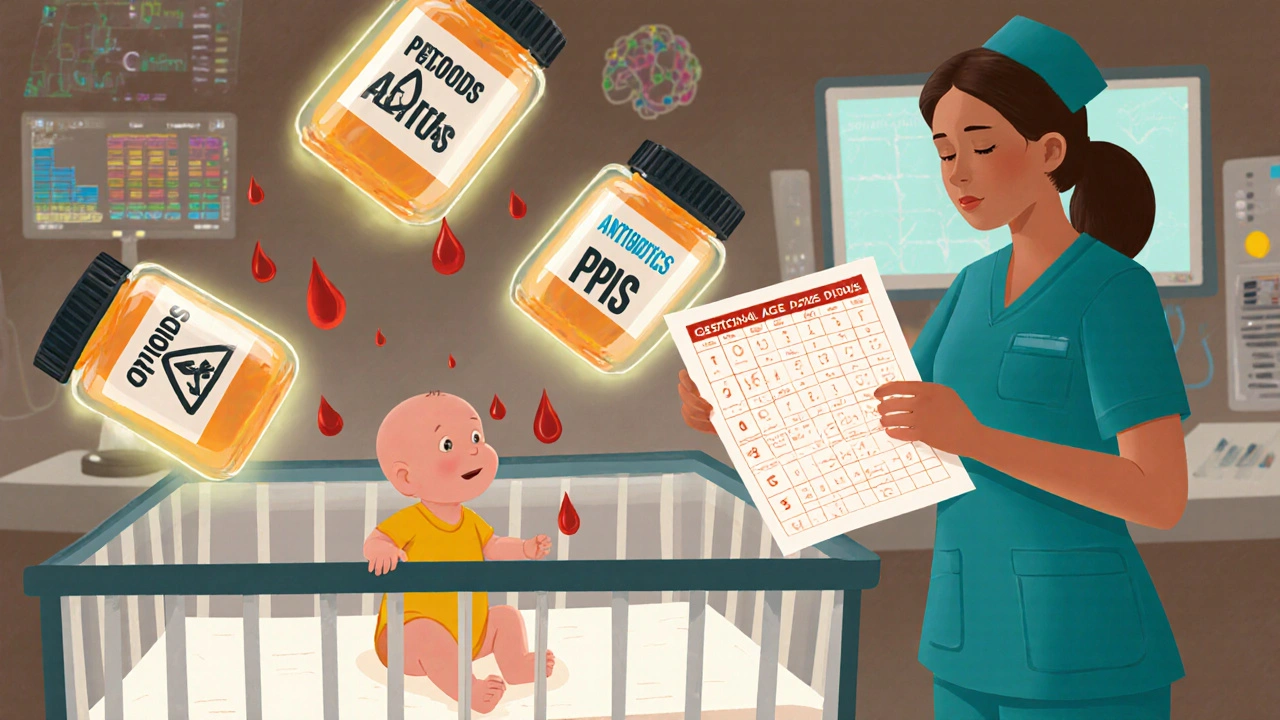
Preterm infants in the NICU face unique medication risks due to immature organs and off-label drug use. Learn which common drugs pose real dangers - and what’s being done to make care safer.
Continue Reading