Mild Medication Side Effects: What’s Normal and When to Worry
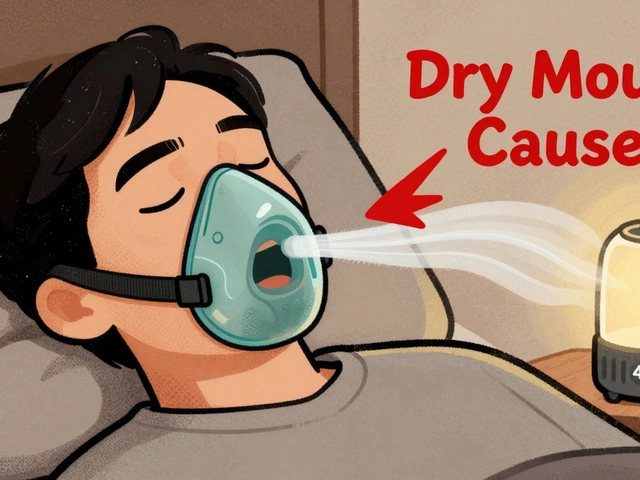
When you start a new medication, it’s not unusual to feel a little off—dry mouth, a headache, or maybe a bit of nausea. These are mild medication side effects, common, usually temporary reactions to drugs that don’t require stopping treatment. Also known as minor drug reactions, they’re the body’s way of adjusting, not necessarily signaling danger. Most people experience at least one during the first few days or weeks, and for many, they fade on their own. But knowing which ones are harmless and which might be early signs of something worse can make all the difference.
These reactions often show up with antidepressants, medications used to treat depression and anxiety, which commonly cause fatigue, weight changes, or sleep disruption, or with prednisone, a steroid that can trigger mood swings, bloating, or trouble sleeping. Even something as simple as omeprazole, a heartburn drug many take daily, can leave you with a funny taste or loose stools. These aren’t rare—they’re expected. What matters is whether they interfere with your life. If you’re too tired to work, too nauseous to eat, or too anxious to sleep, it’s not just "mild" anymore. It’s a signal to talk to your doctor.
Some side effects get mistaken for other problems. A dry mouth from an antihistamine? You might think you’re dehydrated. Dizziness from blood pressure meds? You blame it on standing up too fast. But when you’re on multiple drugs, these tiny effects can pile up. That’s why drug interactions, when two or more medications affect each other’s behavior in your body matter—even if each one alone causes only mild issues. A little constipation from amitriptyline? Fine. But add a painkiller and a proton pump inhibitor, and suddenly your gut’s in chaos. That’s not just coincidence—it’s pharmacology.
What you won’t find in most patient handouts is how to track these effects. Writing down when they start, how bad they are, and what you were doing when they hit helps your doctor spot patterns. Did the headache begin after switching brands of levothyroxine? Did the fatigue show up after adding a new cholesterol pill? These details turn guesswork into action. And while serious reactions like bleeding or TTP make headlines, it’s the quiet, persistent mild side effects that erode quality of life over time.
Below, you’ll find real-world guides on exactly what to expect from common drugs—whether it’s how Lasix affects your sleep, why caffeine triggers bladder spasms, or how prednisone changes your mood. These aren’t theoretical lists. They’re based on what patients actually experience, what doctors see in clinics, and what the data shows. You’ll learn which side effects are normal, which need a call to your provider, and how to manage them without quitting your meds.
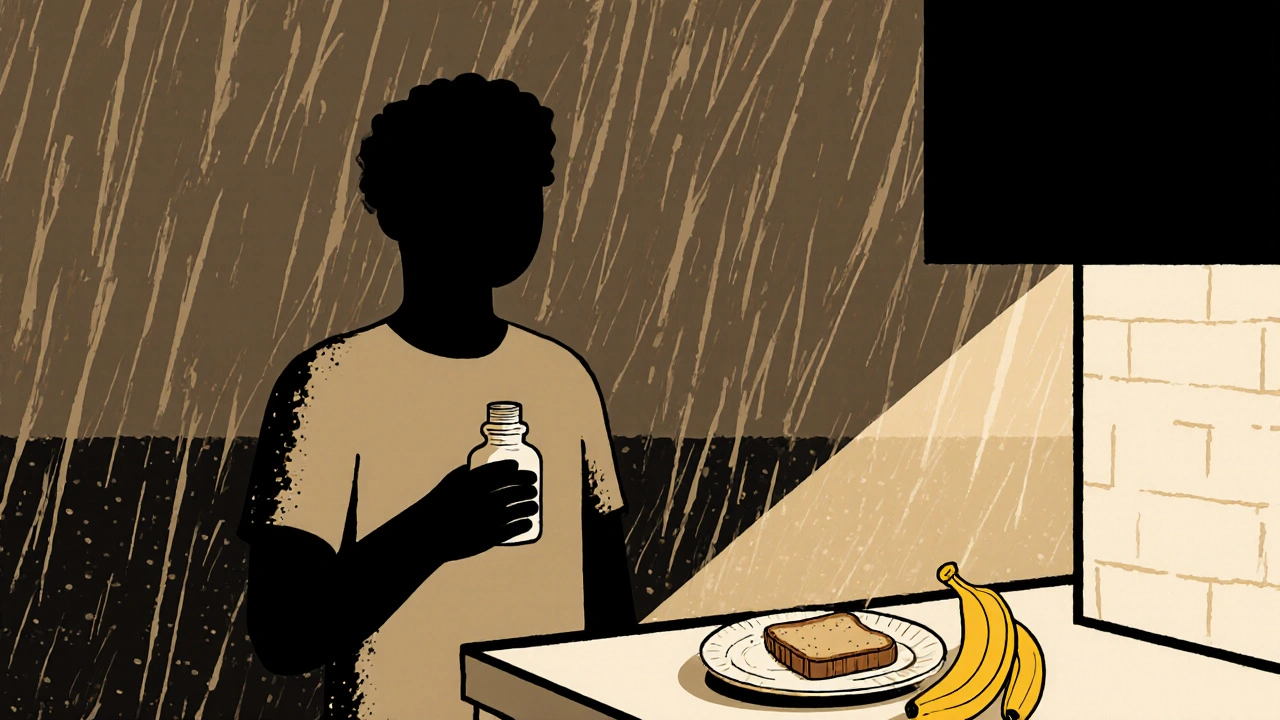
Learn how to handle common mild side effects like nausea, dry mouth, and fatigue without stopping your medication. Proven tips from pharmacists and clinical studies to help you stay on track and improve adherence.
Continue Reading