PPIs: What They Are, How They Work, and What You Need to Know
When you hear PPIs, proton pump inhibitors are medications that reduce stomach acid production by blocking the enzyme responsible for acid secretion. Also known as proton pump inhibitors, they’re among the most prescribed drugs in the world — used for heartburn, ulcers, and GERD. But they’re not harmless. Many people take them for months or years without realizing the potential side effects.
PPIs like omeprazole, esomeprazole, and pantoprazole work by targeting the acid pumps in your stomach lining. These pumps, called H+/K+ ATPase enzymes, are the final step in making stomach acid. Block them, and acid drops — fast. That’s why they work better than antacids or H2 blockers for chronic issues. But here’s the catch: your body needs some acid. It helps digest food, kill bacteria, and absorb nutrients like magnesium, calcium, and B12. Long-term PPI use has been linked to nutrient deficiencies, bone fractures, and even kidney problems, according to studies tracking users over five years. The FDA has warned about these risks since 2010, yet millions keep taking them daily.
Not everyone needs PPIs. Many people with occasional heartburn can manage with lifestyle changes — eating smaller meals, avoiding late-night snacks, cutting out caffeine and spicy foods. Even some cases of GERD improve with weight loss or elevating the head of the bed. And for those who do need PPIs, the goal isn’t lifelong use. Doctors should regularly review whether the drug is still necessary. A 2023 study in the Journal of the American Medical Association found that over half of long-term PPI users could safely stop with a gradual taper and diet support. Yet most never get that conversation.
There’s also a hidden connection between PPIs and other medications. For example, PPIs can interfere with how clopidogrel works, reducing its heart-protective effect. They can also raise the risk of stomach infections like C. diff. And if you’re on other drugs — like blood thinners, antidepressants, or even some antibiotics — PPIs might change how your body processes them. That’s why knowing what you’re taking matters more than ever.
Below, you’ll find real-world insights from patients and clinicians on how PPIs affect blood sugar, kidney function, mental health, and more. Some posts show how omeprazole interacts with diabetes. Others warn about how these drugs are overused in preterm infants or misused for mild symptoms. You’ll see what happens when people stop them cold turkey, what alternatives exist, and how to talk to your doctor about reducing or switching. This isn’t theory — it’s what’s happening in clinics, pharmacies, and homes right now.
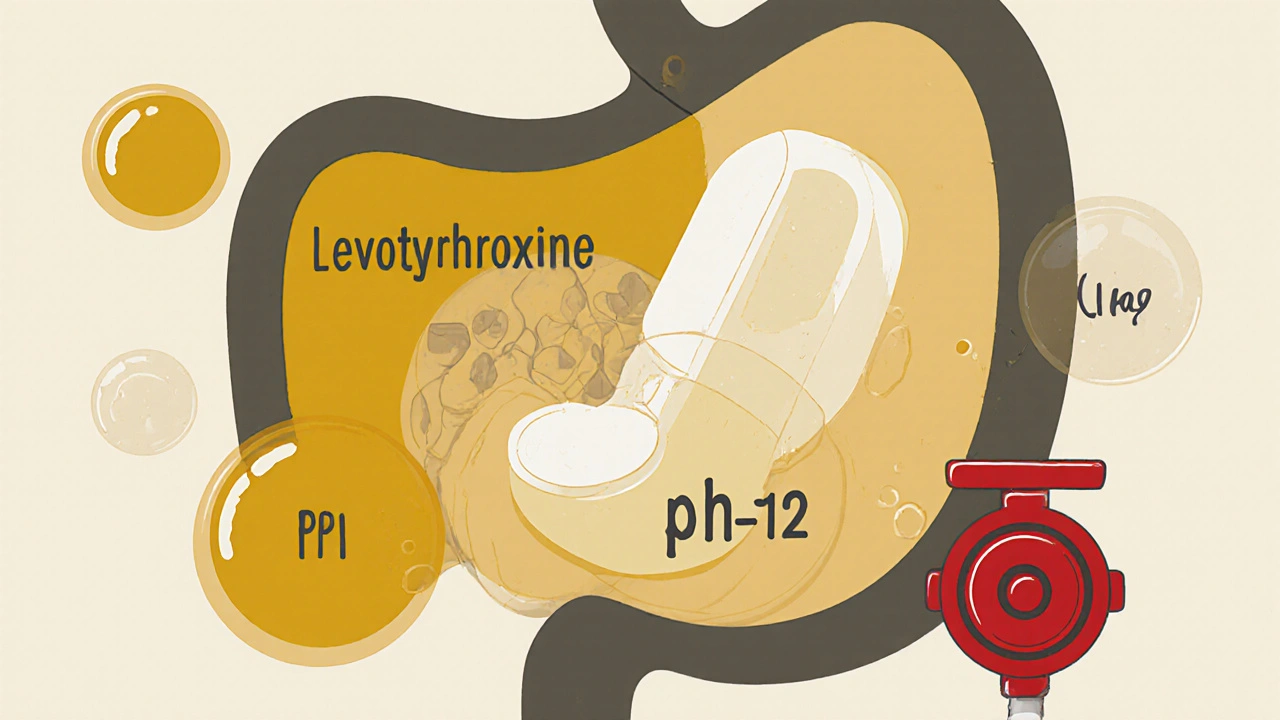
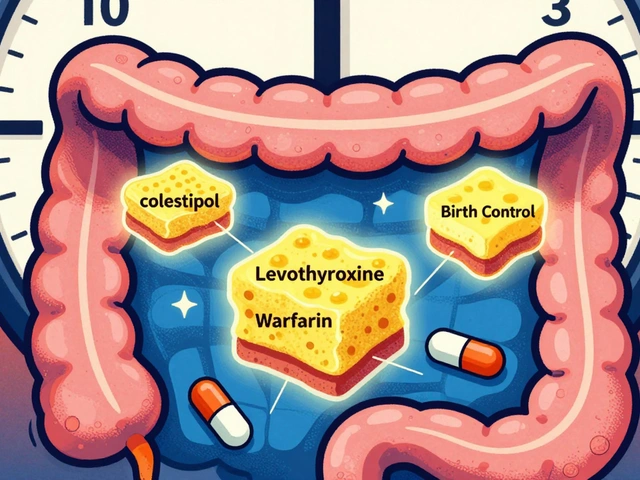
Levothyroxine and proton pump inhibitors (PPIs) can interfere with each other, reducing thyroid hormone absorption and raising TSH levels. Learn how to spot the interaction and what to do about it.
Continue Reading