Batch Release Testing: What It Is and Why It Matters for Your Medications
When you pick up a prescription, you expect it to work — and you expect it to be safe. That’s not luck. It’s the result of batch release testing, a mandatory process where every batch of medication is checked for purity, potency, and consistency before it reaches patients. Also known as lot release testing, this step is the final gatekeeper between the factory and your medicine cabinet. Without it, a single faulty batch could contain too little active ingredient, harmful contaminants, or even wrong drugs entirely.
Pharmaceutical companies don’t just guess whether a batch is good. They run strict tests on every single one — checking for microbial contamination, chemical identity, strength, dissolution rate, and stability. These aren’t optional checks. They’re required by agencies like the FDA and EMA, and they follow standards set by the United States Pharmacopeia (USP). pharmaceutical quality control, the broader system that includes batch release testing, raw material screening, and ongoing stability monitoring is what keeps your pills from turning into risks. And when manufacturers skip or cut corners on this, people get hurt. There have been real cases where contaminated heparin or under-potent antibiotics led to hospitalizations and deaths — all because batch release testing wasn’t done right.
This isn’t just about big drugmakers. Even small compounding pharmacies, especially those making custom pediatric doses or sterile injections, must follow similar rules. FDA compliance, the legal requirement that all drug products meet federal safety and labeling standards applies to everyone. If you’re buying medication online or from overseas, you’re relying on someone else’s batch release testing — and that’s risky if you don’t know if they’re following U.S. standards. The manufacturing standards, the detailed protocols that define how drugs must be produced, tested, and documented exist because medicine isn’t like coffee or cereal — a bad batch doesn’t just taste off, it can kill you.
What you’ll find in the posts below isn’t theory. It’s real-world examples of how drug safety breaks down — and how it’s protected. From how the FDA inspects overseas labs to why generic drugs sometimes cause unexpected side effects, every article ties back to one thing: the system that keeps your pills safe. You’ll see how batch release testing connects to everything from kidney dosing in seniors to dangerous interactions with cold medicines. It’s the invisible thread holding your medication journey together.
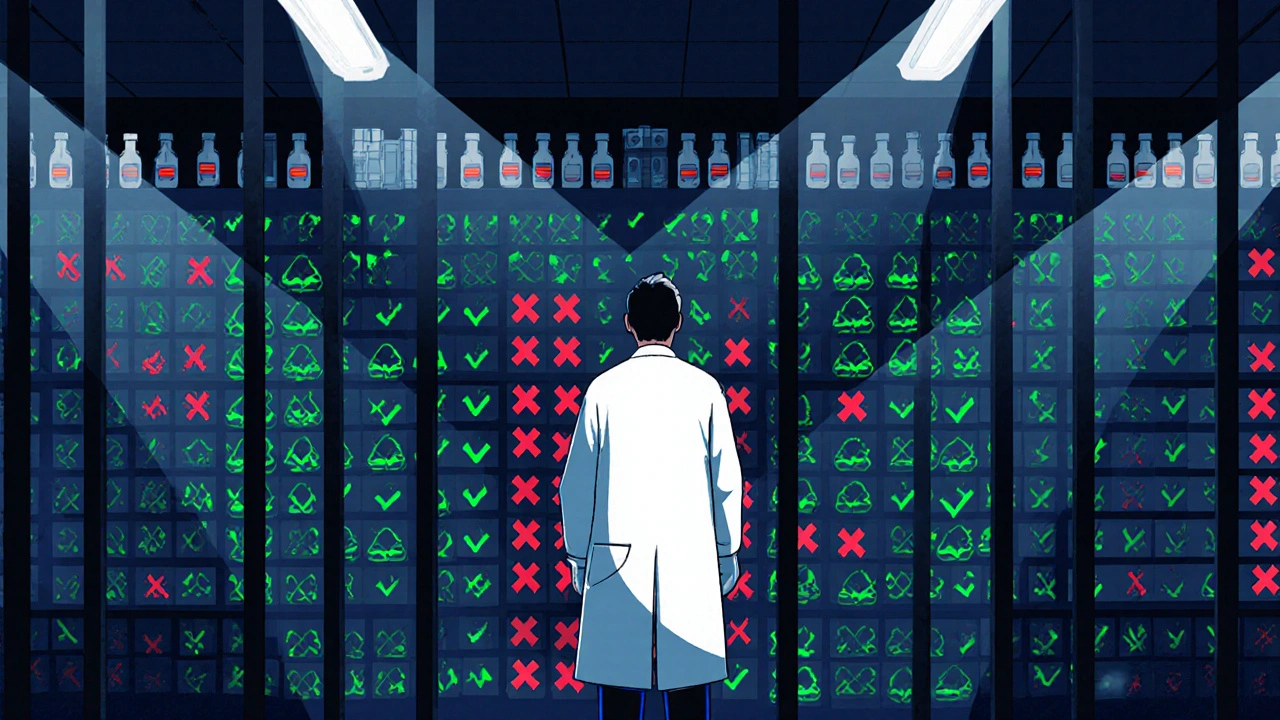
Batch release testing is the final safety check for every pharmaceutical batch before distribution. Learn how identity, potency, purity, and microbial tests ensure patient safety-and why even one failure can cost millions.
Continue Reading