Dopamine Agonist: What It Is, How It Works, and What You Need to Know
When your brain doesn’t make enough dopamine agonist, a type of drug that activates dopamine receptors to replace or boost natural dopamine. Also known as dopamine mimetics, it’s not a cure—but for many, it’s the difference between moving freely and being stuck. Dopamine is the brain’s movement and reward chemical. When it drops, as in Parkinson’s disease, your body struggles to start motions, trembles, or feels stiff. Dopamine agonists step in like a substitute signal, telling your brain to keep things moving—without needing your body to produce more dopamine.
These drugs aren’t just for Parkinson’s. They’re also used for restless legs syndrome, a condition where legs ache or crawl, especially at night, and movement brings temporary relief, and sometimes for treating depression or high prolactin levels. Common ones include pramipexole, ropinirole, and rotigotine. Each works slightly differently, but they all target the same receptors: D2 and D3. That’s why side effects often overlap—nausea, dizziness, sleepiness, or even sudden sleep attacks. Some people develop impulse control issues, like gambling or overeating, because dopamine isn’t just about movement—it’s tied to motivation and reward.
Not everyone responds the same. Some get great relief with low doses. Others need higher amounts, but then face more side effects. That’s why doctors start low and go slow. It’s also why switching between dopamine agonists isn’t uncommon—what works for one person might not work for another. And while these drugs delay the need for levodopa (the gold standard for Parkinson’s), they’re not a replacement. Many end up using both. The key is balance: enough to move, not so much that you’re nodding off at the dinner table.
You’ll find posts here that dig into how these drugs interact with others, why some cause hallucinations in older adults, and how kidney or liver problems change how your body handles them. There’s also advice on managing the weird side effects—like sudden sleep episodes or compulsive behaviors—that aren’t talked about enough. If you’re on one of these meds, or caring for someone who is, you’re not alone. This collection gives you real, no-fluff answers from people who’ve been there, and from experts who know the science behind the symptoms.
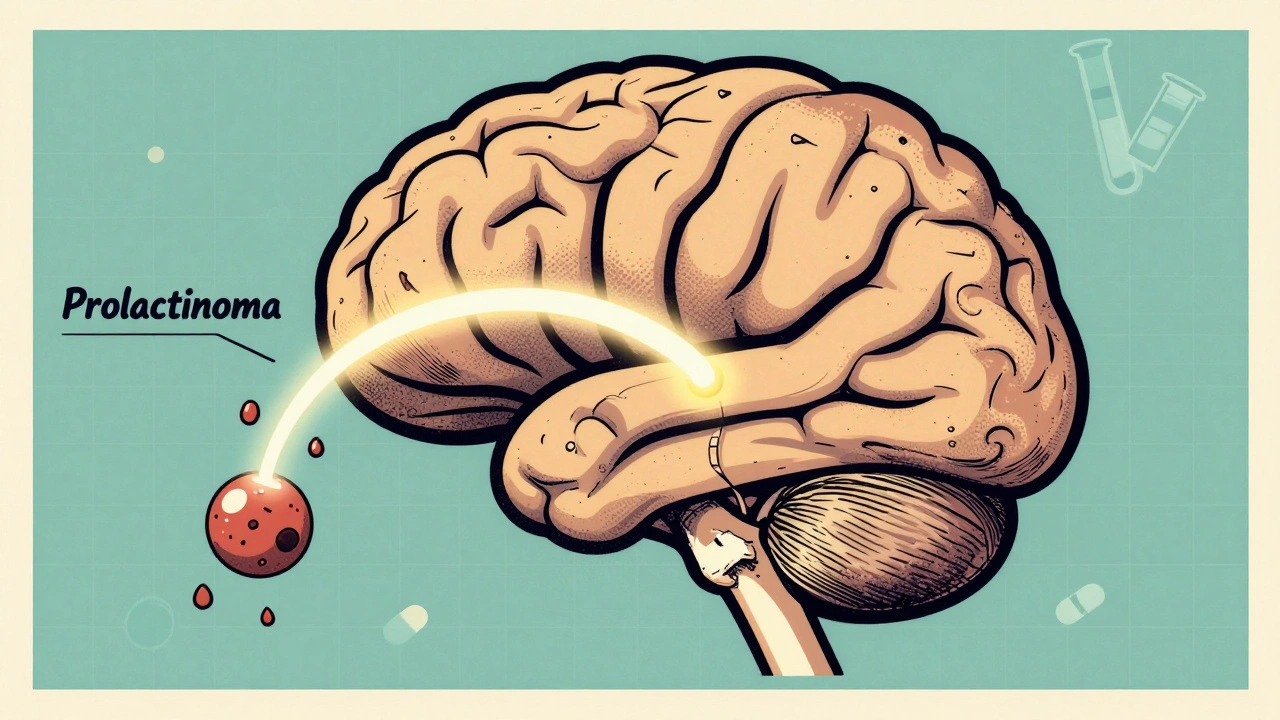
Dostinex (cabergoline) reduces high prolactin levels and shrinks pituitary tumors. Learn about proper dosage, common side effects, dangerous drug interactions, and why buying it online without a prescription is risky.
Continue Reading