Drug Toxicity: Signs, Causes, and How to Stay Safe
When your body can’t clear a medication properly, it builds up until it turns harmful—that’s drug toxicity, the dangerous accumulation of medication in the body due to impaired metabolism or excretion. Also known as medication overdose, it doesn’t always mean you took too much—it can happen even at normal doses if your kidneys or liver aren’t working right. This isn’t rare. People with kidney disease, older adults, and those on multiple meds are most at risk. A simple painkiller like ibuprofen or a blood thinner like warfarin can become toxic if your body can’t process it.
Drug accumulation, the gradual build-up of a drug in the system due to slow clearance is one of the biggest hidden dangers in modern medicine. It’s why doctors adjust doses for kidney patients—medications like sulfonylureas, NSAIDs, and even some antibiotics stay in the system longer than they should. Pharmacokinetic interactions, how drugs affect each other’s absorption, metabolism, or elimination make this worse. For example, a proton pump inhibitor can slow how your body breaks down clopidogrel, turning a safe dose into a risky one. And when you mix drugs that both stress the liver or kidneys, the risk spikes fast.
Renal dosing, adjusting medication amounts based on kidney function isn’t just a doctor’s footnote—it’s a life-saving step. Many people don’t realize their kidney numbers matter when they get a new prescription. A simple blood test can show if your kidneys are struggling, and that should change how much medicine you take. Missing this step is how routine drugs become emergencies. You might feel fine until you suddenly have confusion, swelling, irregular heartbeat, or unexplained bruising—all signs your body is drowning in medication.
What you’ll find below aren’t just articles about side effects. These are real stories and facts about how drug toxicity happens, who it hits hardest, and how to catch it before it’s too late. From how Lasix can backfire in kidney disease to why prednisone and antidepressants can quietly poison your system over time, these posts give you the tools to ask the right questions. You don’t need to be a doctor to protect yourself—you just need to know what to look for.
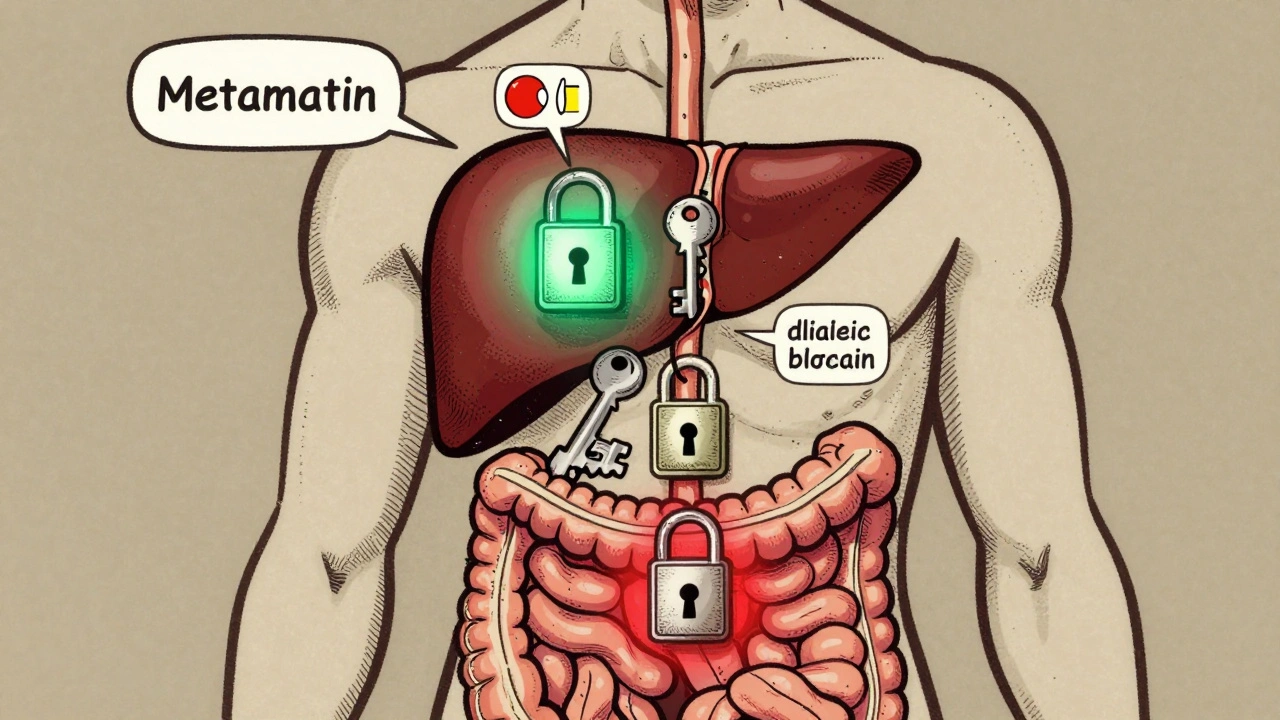
Learn how on-target and off-target drug effects cause side effects, why some drugs fail in trials, and how scientists are predicting toxicity before patients take them. Real examples from cancer, heart, and diabetes meds.
Continue Reading
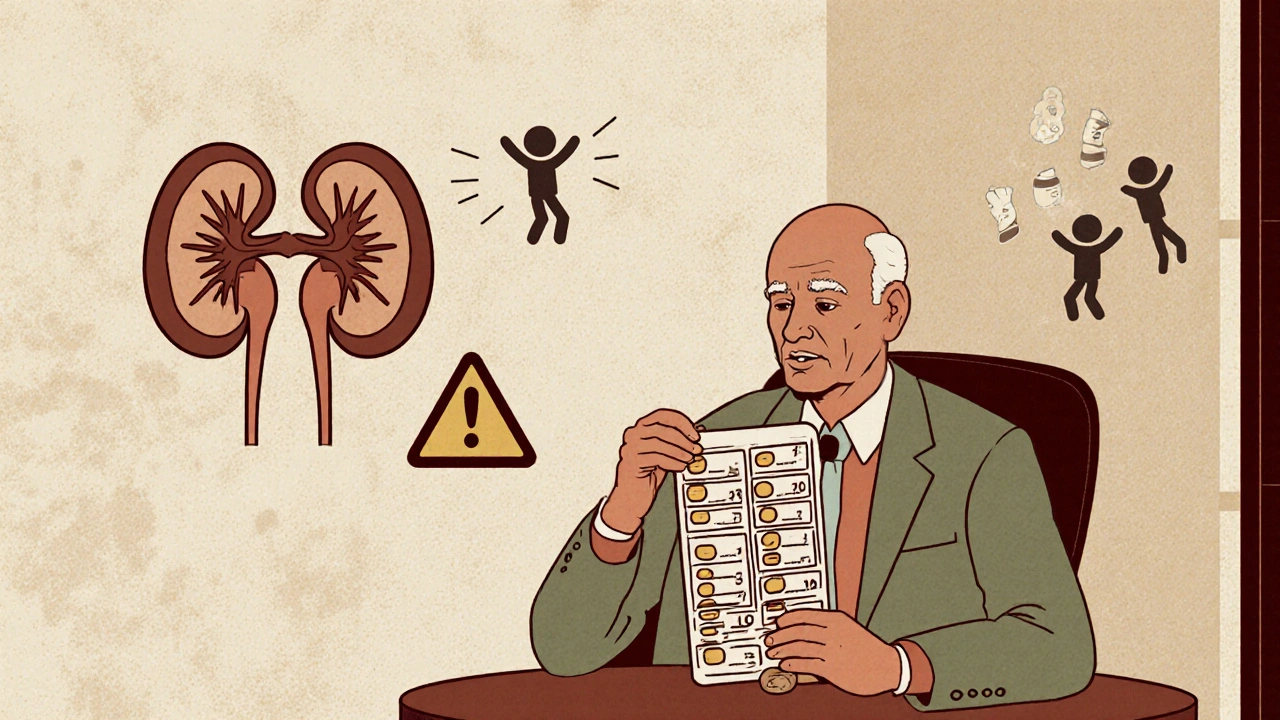
Elderly patients with kidney impairment are at high risk of drug toxicity. Learn how to adjust medication doses using GFR, avoid dangerous errors, and use the latest guidelines to keep seniors safe.
Continue Reading