Manage Drug Reactions: How to Spot, Prevent, and Respond to Medication Side Effects
When you take a medication, your body doesn’t just accept it quietly—it reacts. Some reactions are mild, like a dry mouth or a headache. Others, like drug-induced thrombotic thrombocytopenic purpura, a rare but deadly blood disorder triggered by certain drugs, can kill you within days if missed. Pharmacokinetic interactions, how your body absorbs, breaks down, or clears drugs, and pharmacodynamic interactions, how drugs change each other’s effects in your system are behind most serious side effects. You don’t need to be a doctor to understand these, but you do need to know the warning signs—and what to do next.
Many people think side effects are just part of taking medicine. But that’s not true. A drug that changes your sense of smell, makes you bleed internally, or causes severe mood swings isn’t working as intended—it’s harming you. Prednisone mood swings, affecting nearly half of users, aren’t "just stress"—they’re a known chemical effect. Levothyroxine and PPIs, a common interaction that can make your thyroid meds useless aren’t rare—they happen daily because doctors and patients don’t connect the dots. Even something as simple as caffeine can trigger bladder spasms in sensitive people. The problem isn’t the drugs themselves. It’s that we treat side effects as unavoidable, not as signals.
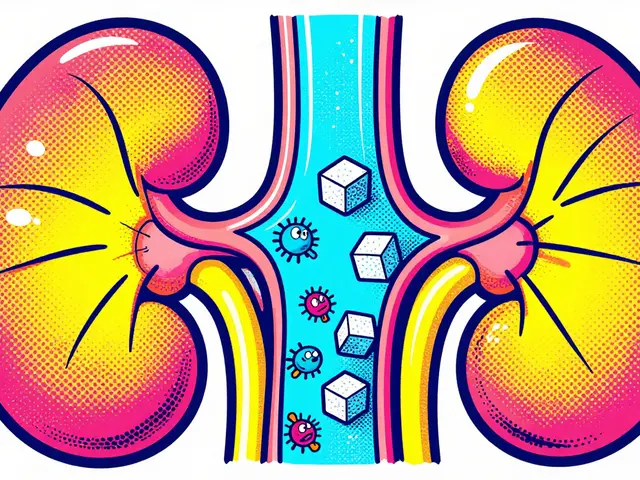
Managing drug reactions starts with awareness. Know which drugs carry the highest risks—like blood thinners that cause uncontrolled bleeding, or antibiotics that wreck your gut flora. Track changes: Did your taste change after starting a new pill? Did your anxiety spike after a dosage increase? Did your kidneys start acting up after adding a new painkiller? These aren’t random events. They’re clues. And when you combine multiple medications—like methadone with QT-prolonging drugs, or MAOIs with cold medicine—the risk multiplies. You don’t need to memorize every possible interaction. You just need to know how to ask the right questions: "Could this be the drug?" and "What should I do if this gets worse?"
Below, you’ll find real cases—people who survived because they acted fast, others who didn’t because no one recognized the signs. You’ll learn how to spot kidney toxicity, manage antidepressant side effects, avoid deadly combos, and protect yourself when buying meds online. This isn’t theory. It’s what happens when people stop ignoring their bodies and start paying attention.
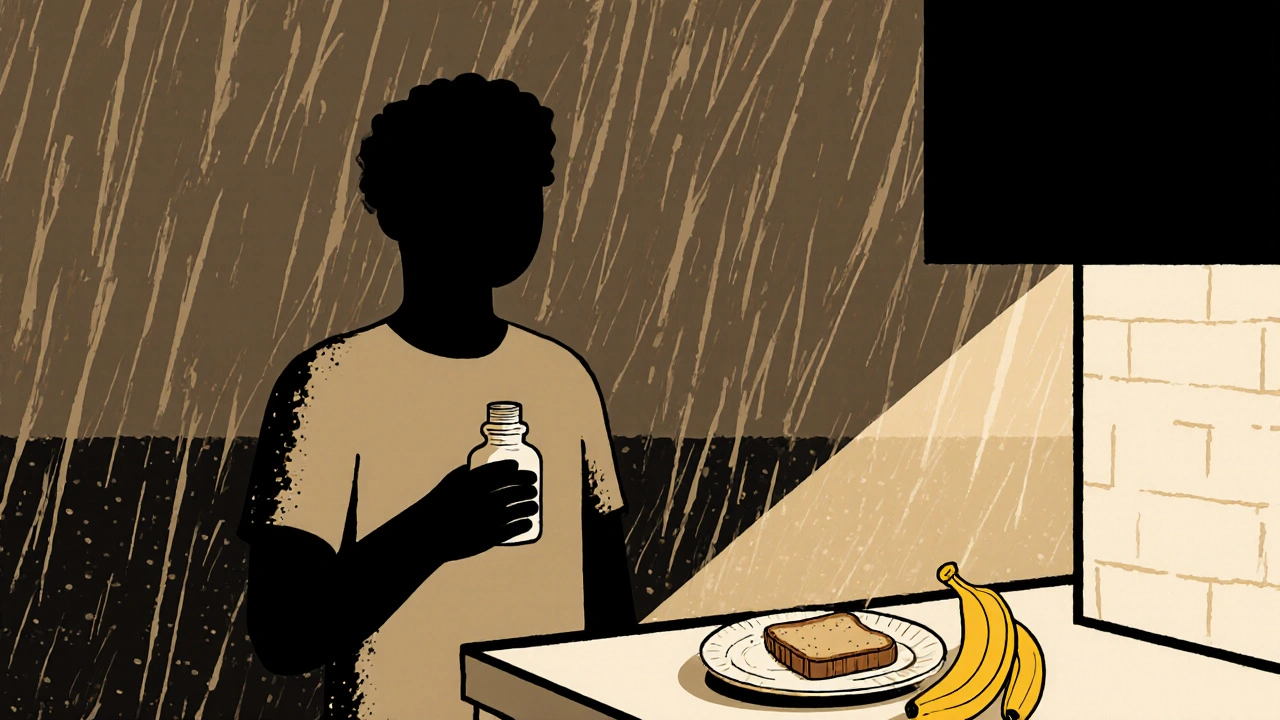
Learn how to handle common mild side effects like nausea, dry mouth, and fatigue without stopping your medication. Proven tips from pharmacists and clinical studies to help you stay on track and improve adherence.
Continue Reading