Medication Adherence: Why Sticking to Your Prescription Saves Lives
When you take a medicine exactly as your doctor tells you, that’s medication adherence, the practice of following a prescribed drug regimen on time and in the right dose. Also known as drug compliance, it’s not just a checkbox on a medical form—it’s the difference between getting better and ending up in the hospital. Half of all people with chronic conditions like high blood pressure, diabetes, or depression don’t take their meds like they’re supposed to. And it’s not because they’re lazy. It’s because the system is broken—too many pills, too many side effects, too little support.
Why does this matter? medication side effects, unwanted reactions caused by drugs are scary, and they make people stop. If you feel dizzy on a blood pressure pill or nauseous on an antidepressant, it’s easy to skip a dose. But skipping leads to worse outcomes: strokes, heart attacks, or even death. And it’s not just about the drug itself—pill schedule, the timing and frequency of drug doses matters too. Taking a pill once a day is easier than four times a day. If your doctor prescribes something that doesn’t fit your life, you won’t stick with it.
People forget. People can’t afford it. People don’t understand why it’s needed. And sometimes, they’re just tired of feeling like a patient. But here’s the truth: medication adherence isn’t about discipline—it’s about design. The best treatment plan is the one you can actually live with. That’s why some patients do better on generics—they’re cheaper. Others need simpler regimens—once-daily combos instead of five separate pills. And some need help remembering, tracking, or talking through side effects with someone who gets it.
The posts below show you what happens when adherence breaks down: drugs that cause rare but deadly reactions, interactions that make thyroid meds useless, or how kidney disease turns normal doses into poison. You’ll see how insurance formularies push generics—not just to save money, but because they work. You’ll learn why mood swings from prednisone or constipation from amitriptyline make people quit. And you’ll find real ways to fix it—whether you’re managing diabetes, heart disease, depression, or just trying to stay out of the ER.
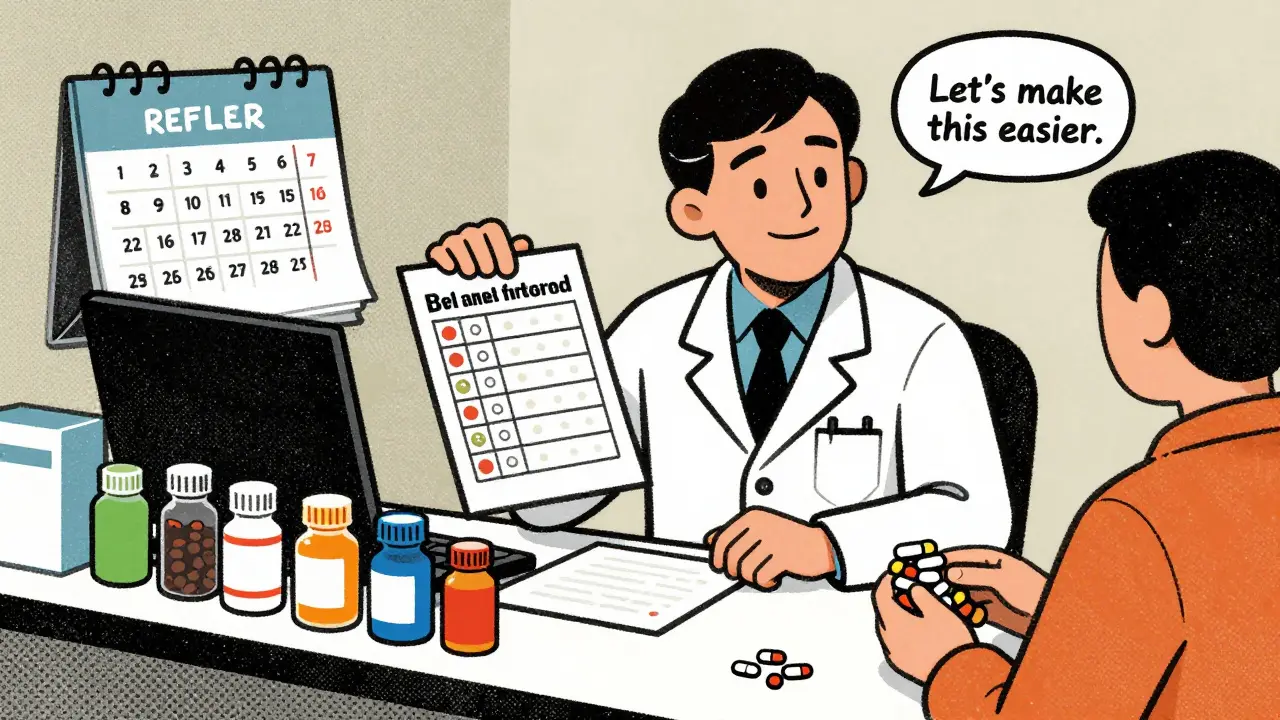
Pharmacists play a crucial role in helping patients take their medications as prescribed, reducing hospitalizations and saving billions in healthcare costs. Learn how pharmacist-led programs improve adherence through counseling, cost help, and personalized support.
Continue Reading
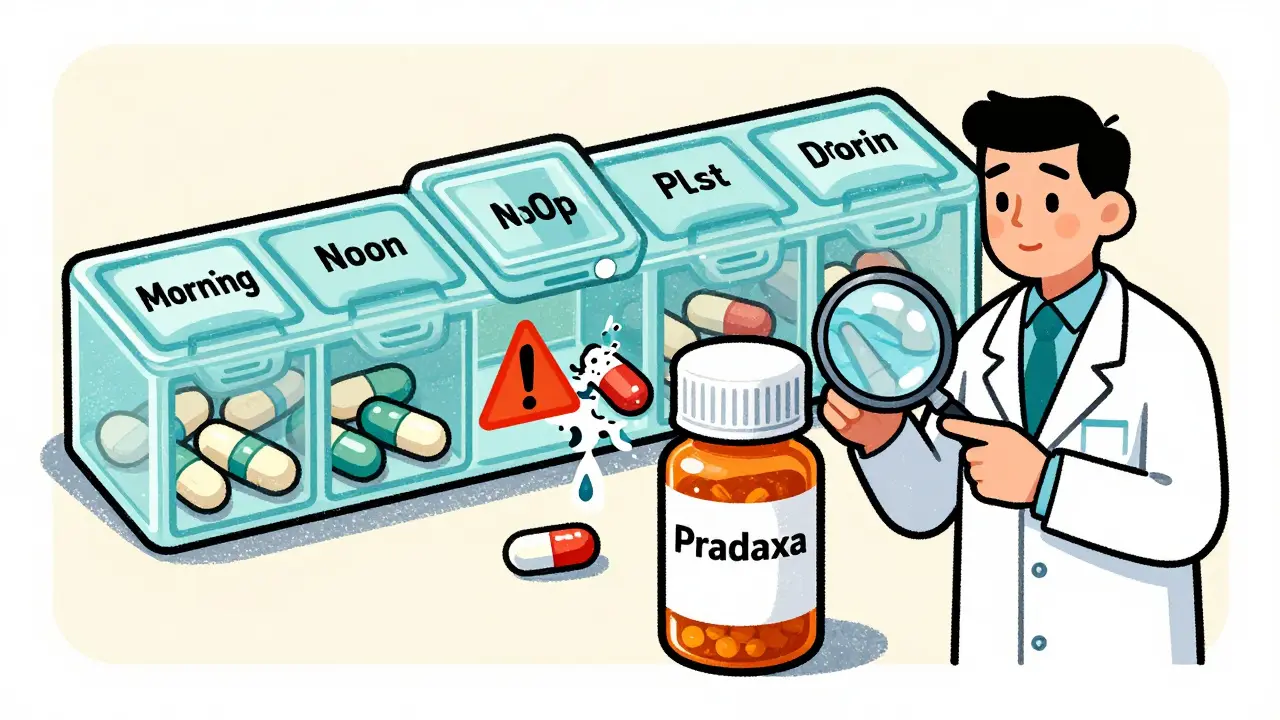
Pill organizers help with medication adherence but can be dangerous if used incorrectly. Learn which meds are safe to store in them, how to clean them properly, and when to avoid them altogether.
Continue Reading
Learn how to handle common mild side effects like nausea, dry mouth, and fatigue without stopping your medication. Proven tips from pharmacists and clinical studies to help you stay on track and improve adherence.
Continue Reading