Pharmacology: How Drugs Work in Your Body and What You Need to Know
When you take a pill, your body doesn’t just swallow it and move on. Pharmacology, the science of how drugs interact with living systems. Also known as drug action science, it’s the reason some medications work quickly while others take days—and why mixing two pills can sometimes be dangerous. This isn’t just for doctors or pharmacists. If you’re on any regular medication, understanding pharmacology helps you avoid surprises, spot risks, and talk smarter with your provider.
At its core, pharmacology breaks down into two big pieces: pharmacokinetics, what your body does to the drug and pharmacodynamics, what the drug does to your body. Pharmacokinetics covers absorption, distribution, metabolism, and elimination. Think of it like a delivery route: how fast the drug gets into your blood, where it goes, how your liver breaks it down, and how your kidneys flush it out. That’s why kidney disease or aging changes your dose—your body can’t clear the drug like it used to. Pharmacodynamics is the effect side: how the drug binds to receptors, triggers responses, and sometimes causes side effects like mood swings from prednisone or loss of smell from certain antibiotics. These two forces work together—and when they go wrong, you get dangerous interactions.
That’s why so many posts here focus on real-world clashes: levothyroxine and acid blockers, MAOIs and cold meds, methadone and heart rhythm drugs. These aren’t theoretical. People get sick because these interactions aren’t obvious. A common heartburn pill can make your thyroid med useless. A cough syrup can trigger a life-threatening spike in blood pressure. And when you buy drugs online without knowing their full profile—like Dostinex or Lasix—you’re playing Russian roulette with your body’s chemistry. Even something as simple as caffeine can trigger bladder spasms or mess with how your kidneys handle certain meds. Pharmacology isn’t about memorizing charts. It’s about asking: Is this safe with what I’m already taking? Why does my doctor keep changing my dose? What’s really happening inside me?
Below, you’ll find real cases—how kidney failure changes dosing, how generics affect liability, how infants in the NICU react differently to drugs, and why insurers push certain pills over others. These aren’t abstract concepts. They’re the daily realities of people managing medications. Whether you’re caring for an elderly parent, managing a chronic condition, or just trying to avoid a bad reaction, this collection gives you the tools to understand what’s really going on—not just what the label says.
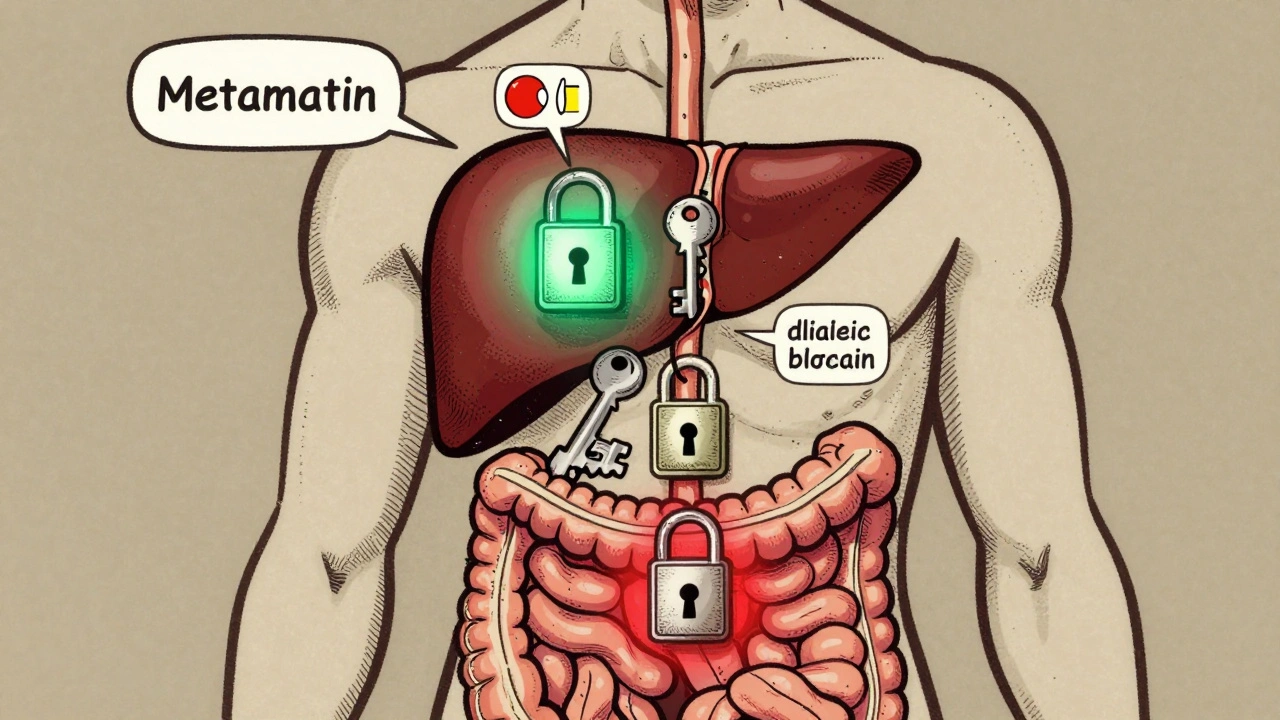
Learn how on-target and off-target drug effects cause side effects, why some drugs fail in trials, and how scientists are predicting toxicity before patients take them. Real examples from cancer, heart, and diabetes meds.
Continue Reading