Prolactin Reducer: What Works, What to Avoid, and How It Affects Your Health
When your body makes too much prolactin, a hormone that triggers milk production and can disrupt sex hormones. Also known as hyperprolactinemia, this condition can cause irregular periods, low libido, breast milk in people who aren’t nursing, and even trouble getting pregnant. It’s not just a women’s issue—men can have high prolactin too, leading to erectile dysfunction, low sperm count, and fatigue. The good news? There are proven prolactin reducers, medications that lower prolactin by mimicking dopamine, the brain’s natural brake on the hormone. Also known as dopamine agonists, these drugs are the go-to treatment for most cases.
Not all prolactin reducers are the same. dopamine agonists, like bromocriptine and cabergoline, are the main tools doctors use. Also known as dopamine receptor activators, they work by tricking the pituitary gland into thinking there’s enough dopamine—so it stops overproducing prolactin. Cabergoline is usually preferred because it works longer, needs fewer doses, and has fewer side effects than bromocriptine. But even these drugs aren’t magic. Some people get dizzy, nauseous, or feel faint when they start. Others report mood changes or nasal congestion. And if you’re taking other meds—like antipsychotics or certain blood pressure pills—that can raise prolactin, you might need to adjust those first. High prolactin isn’t always caused by a tumor. Stress, hypothyroidism, kidney problems, and even some antidepressants can bump it up. That’s why doctors don’t just prescribe a prolactin reducer right away—they check for root causes first.
What you won’t find in most guides are the real-world trade-offs. People on cabergoline for years report feeling better—periods return, sex drive comes back, energy improves. But others stop because the side effects feel worse than the symptoms. And if you’re trying to get pregnant, you might need to pause the drug once conception happens. Prolactin isn’t always the enemy—it’s essential for breastfeeding. The goal isn’t to crush it completely, but to bring it back into balance. The posts below cover exactly this: how these drugs interact with other medications, what side effects patients actually experience, how kidney or thyroid issues complicate treatment, and when you might need to rethink your approach entirely. You’ll find real cases, not just textbook advice. Whether you’re dealing with unexplained infertility, nipple discharge, or just a weird lab result, the right info here can save you from trial and error.
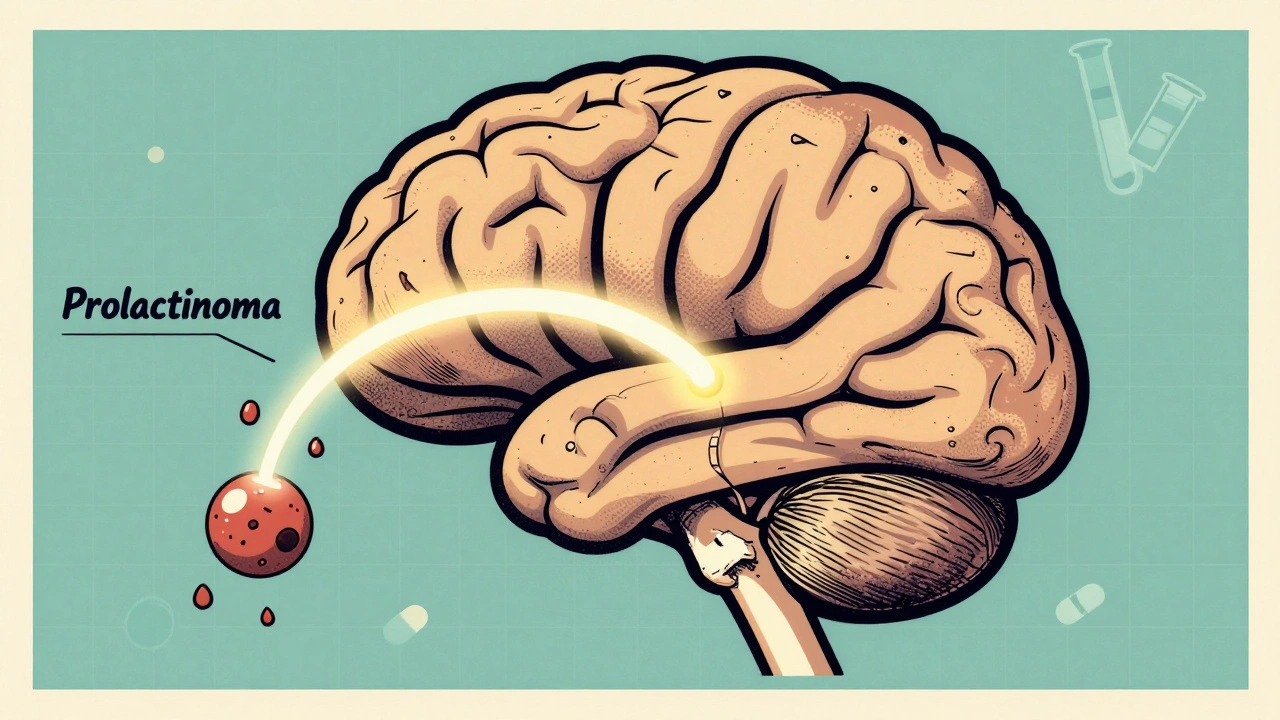
Dostinex (cabergoline) reduces high prolactin levels and shrinks pituitary tumors. Learn about proper dosage, common side effects, dangerous drug interactions, and why buying it online without a prescription is risky.
Continue Reading