Anticoagulants: What They Are, How They Work, and What You Need to Know
When your blood clots too easily, it can lead to strokes, heart attacks, or deadly pulmonary embolisms. That’s where anticoagulants, medications that slow down the blood’s clotting process to prevent dangerous clots. Also known as blood thinners, they don’t actually thin your blood—they interfere with the proteins and enzymes that make clots form. These drugs are life-saving for people with atrial fibrillation, deep vein thrombosis, or artificial heart valves. But they’re not harmless. Every dose carries a trade-off: prevent a clot, risk a bleed.
There are two main types you’ll hear about: warfarin, an older anticoagulant that requires regular blood tests to monitor dosage, and DOACs (direct oral anticoagulants), newer drugs like apixaban and rivaroxaban that work more predictably without frequent testing. Warfarin interacts with vitamin K in food, so your diet matters. DOACs don’t, but they’re more expensive and harder to reverse if you bleed. Both can cause serious bleeding—sometimes without warning. That’s why knowing the signs matters: unusual bruising, pink or red urine, coughing up blood, or a headache that won’t quit could mean trouble.
People with kidney disease, older adults, or those on multiple meds are at higher risk for complications. Some drugs, like certain antibiotics or NSAIDs, can make anticoagulants stronger and increase bleeding risk. Others, like St. John’s Wort, can weaken them. That’s why your pharmacist should know everything you take—not just prescriptions, but supplements too. And if you’re scheduled for surgery or dental work, you might need to pause your anticoagulant. Never do that on your own. Always talk to your doctor first.
What you’ll find below isn’t just a list of articles. It’s a practical guide to real-world issues: how to spot dangerous bleeding, why some people get severe reactions to anticoagulants, how kidney problems change dosing, and what to do when your insurance pushes you toward a cheaper option. You’ll see how these drugs interact with other treatments, how they’re tested for safety before reaching you, and why some patients end up in the ER because no one explained the risks clearly. These aren’t abstract concepts—they’re lived experiences, backed by data and clinical insight. Whether you’re taking one of these drugs, caring for someone who is, or just trying to understand the headlines, this collection gives you what you need to stay safe and informed.

Warfarin and DOACs are both blood thinners, but DOACs are now safer and more convenient for most people. Learn how they differ in bleeding risk, kidney safety, cost, and daily use.
Continue Reading
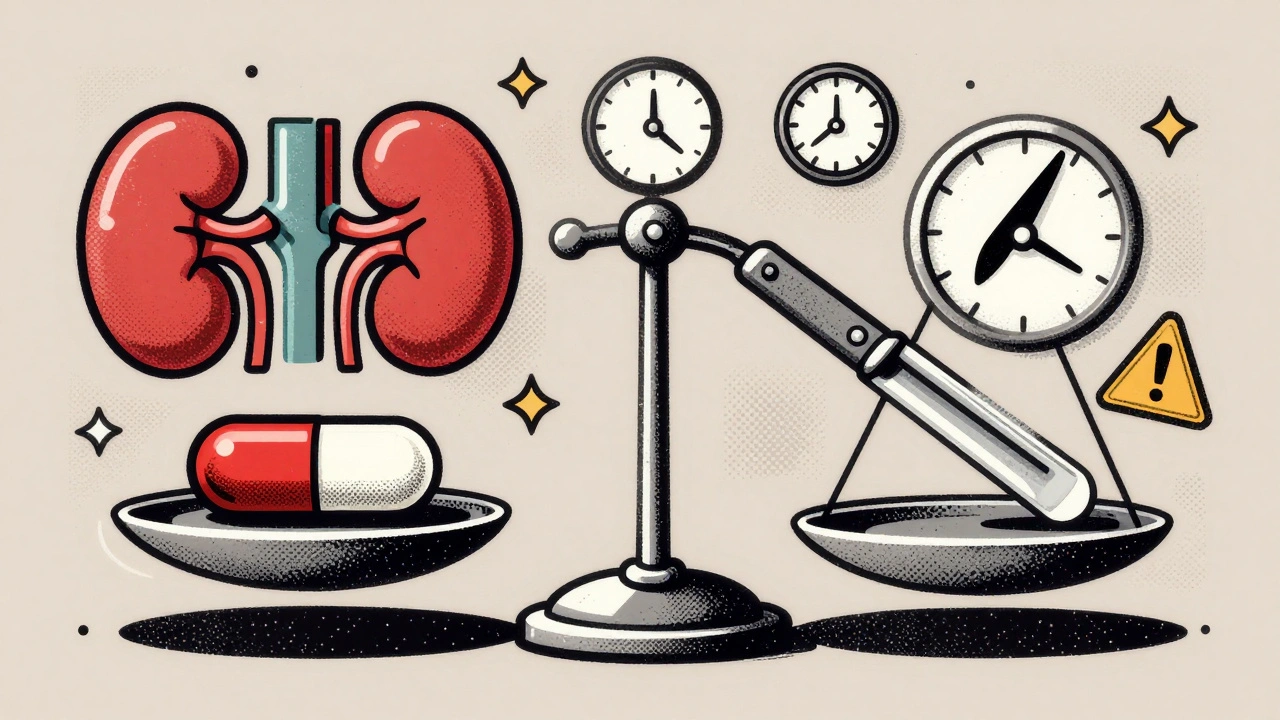
Learn how to safely pause blood thinners before surgery without increasing the risk of clots or bleeding. Updated guidelines for DOACs, warfarin, reversal agents, and timing based on 2023-2024 evidence.
Continue Reading