CPAP Pressure Adjustment: How to Find the Right Setting for Better Sleep
When you use a CPAP machine, a device that delivers continuous air pressure to keep your airway open during sleep. Also known as continuous positive airway pressure therapy, it’s the most effective treatment for obstructive sleep apnea. But the machine won’t work unless the CPAP pressure adjustment is right for you. Too low, and your airway collapses. Too high, and you feel like you’re breathing through a straw—dry mouth, mask leaks, and nightmares follow.
Pressure isn’t set by guesswork. It’s determined in a titration study, a sleep lab test where technicians gradually adjust pressure while you sleep to find the lowest level that prevents breathing pauses. Some people need 6 cm H₂O. Others need 18. It depends on your anatomy, weight, sleep position, and how severe your apnea is. Even small changes—like gaining 10 pounds or sleeping on your back—can mean your old setting no longer works. That’s why many patients end up with pressure that’s off, and they don’t even realize it. They just feel tired every morning.
Modern CPAP machines track your breathing and can auto-adjust pressure, but they’re not perfect. If you’re still snoring, waking up gasping, or your mask keeps coming off, your pressure might be wrong. A simple follow-up with your sleep doctor can fix it. You don’t need another full sleep study—many clinics now use home sleep tests or remote data downloads to fine-tune settings without you leaving your house.
And it’s not just about pressure. The right mask, humidifier settings, and ramp time matter too. But pressure is the foundation. Get that wrong, and everything else falls apart. That’s why so many people quit CPAP—they never got the pressure right, and no one told them it could be fixed.
Below, you’ll find real stories and expert advice from people who’ve been there: how they figured out their pressure was off, what tests they had, how they talked to their doctor, and what worked after they finally got it right. No fluff. Just what helps.
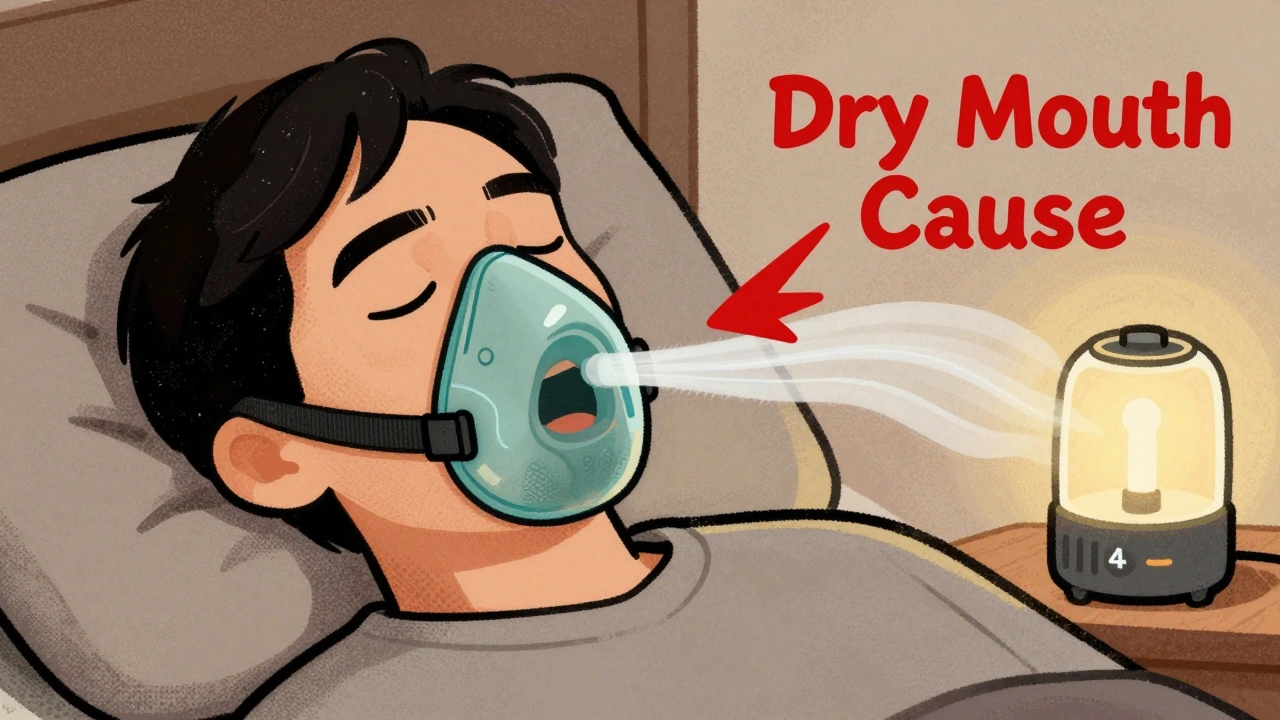
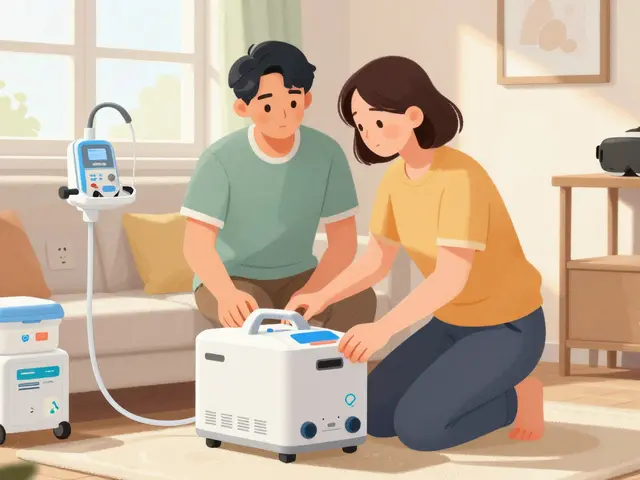
Fix dry mouth, mask leaks, and pressure problems with CPAP therapy. Learn simple, proven solutions backed by sleep specialists and user data to improve comfort and adherence.
Continue Reading