International Drug Pricing: How Costs Vary by Country and What It Means for You
When you hear international drug pricing, the way pharmaceutical companies set prices for the same medicine across different countries. Also known as global pharmaceutical pricing, it’s not just about how much a drug costs—it’s about who decides that cost, and who pays the price. In the U.S., a month’s supply of insulin might run you $300. In Canada, it’s $30. In India, it’s under $5. This isn’t because the medicine is different. It’s because of how governments, insurers, and patent laws shape what you pay.
generic medications, lower-cost versions of brand-name drugs that contain the same active ingredients. Also known as generic drugs, they’re the backbone of affordable care worldwide. But even generics aren’t priced the same everywhere. In countries with strict price controls—like the UK, Germany, or Australia—generics are often sold at a fraction of U.S. prices. Why? Because those governments negotiate directly with drugmakers. In the U.S., there’s no central negotiation. Pharmacies and insurers are left to haggle on their own, and patients often end up footing the bill.
pharmaceutical pricing, the system that determines how much drug companies charge for their products. Also known as drug pricing models, it’s shaped by patents, manufacturing costs, and political pressure. A drug might cost $2 to make, but if it’s protected by a 20-year patent, the company can charge $10,000 per year—until someone else makes a generic version. That’s when prices drop, sometimes overnight. But in places without strong generic rules, even expired patents don’t lead to lower prices.
What you’re really seeing is a clash between profit and access. Countries with universal healthcare systems treat drugs like public goods. They buy in bulk, set price caps, and refuse to pay for drugs that don’t offer real value. The U.S. system treats them like luxury items—no caps, no negotiation, no limits. The result? Millions skip doses, split pills, or go without because they can’t afford them—even when the medicine exists.
And it’s not just about the U.S. vs. Europe. In Brazil, Thailand, and South Africa, governments have forced drugmakers to lower prices or license production to local manufacturers. In Japan, prices are reviewed every two years. In Switzerland, patients pay a percentage of the cost—but the government caps what insurers can be charged. Every system has trade-offs. But one thing’s clear: the price you pay has less to do with the drug and more to do with the rules around it.
That’s why understanding international drug pricing matters. Whether you’re buying meds abroad, using mail-order pharmacies, or just wondering why your prescription costs so much, knowing how other countries do it gives you power. You can ask your doctor about alternatives. You can check if a generic version exists overseas. You can push back when insurers deny coverage. This isn’t just about money—it’s about your right to get the treatment you need.
Below, you’ll find real guides on how generics work, how patent expirations change prices, how countries regulate drug costs, and how to safely buy medication from overseas. No fluff. Just what you need to make smarter, safer, and cheaper choices.
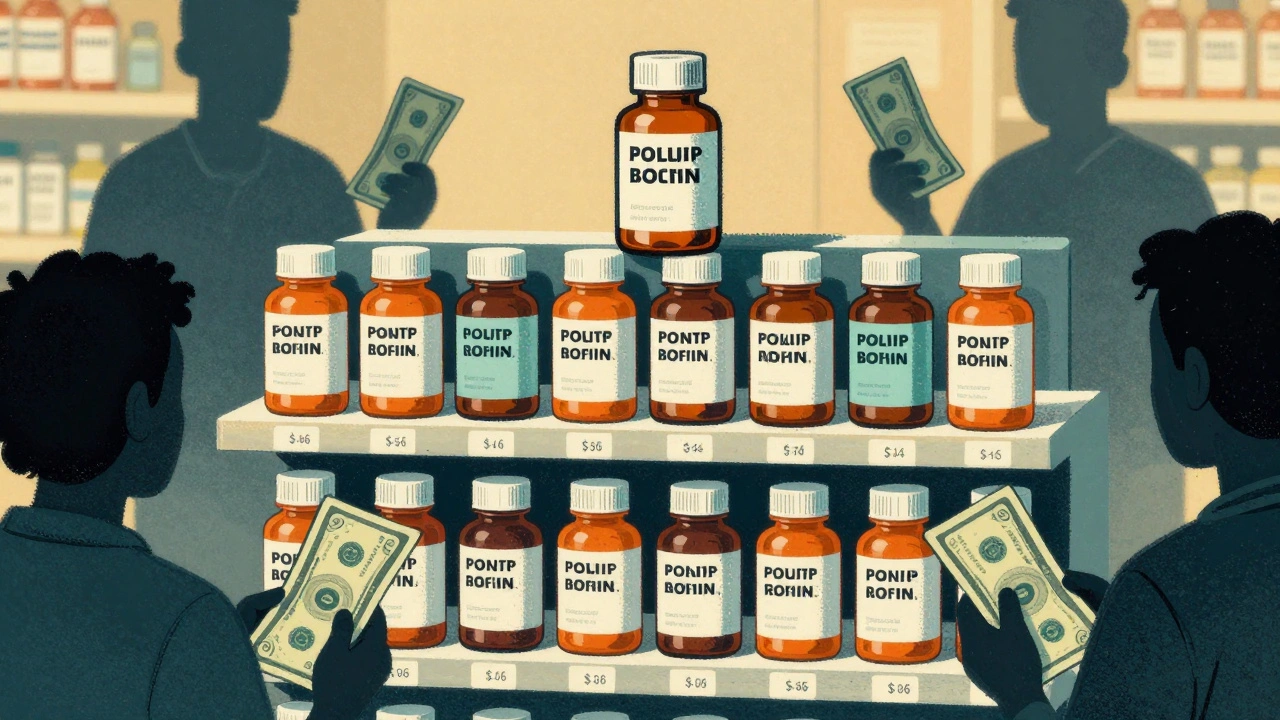
U.S. generic drug prices are lower than in most other wealthy nations, but brand-name drugs cost up to four times more. Learn why this gap exists and how it affects your pharmacy bills.
Continue Reading