NICU Medications: What Every Parent and Provider Needs to Know
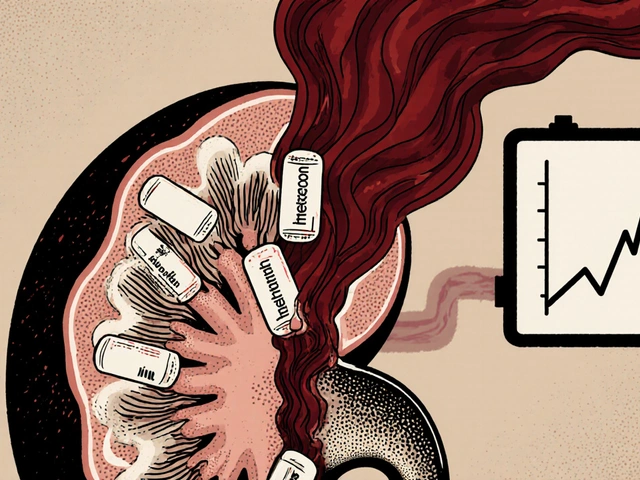
When a baby is born too early or faces serious health issues, NICU medications, specialized drugs used in neonatal intensive care units to support fragile newborns. Also known as neonatal drugs, these are not just smaller versions of adult medicines—they’re carefully chosen based on how a newborn’s body absorbs, processes, and clears them. A tiny dose that works for a 7-pound baby could be deadly for a 2-pound preemie. That’s why every pill, injection, or IV drip in the NICU is calculated down to the milligram—and sometimes even the microgram.
Surfactant therapy, a treatment that helps premature lungs expand properly is one of the most common NICU interventions. Without it, many babies born before 28 weeks couldn’t breathe on their own. Then there’s caffeine citrate, a stimulant used to reduce apnea in preemies. It sounds odd—giving coffee to a newborn—but it’s one of the safest and most effective ways to keep their breathing regular. Antibiotics like ampicillin and gentamicin are also routine, not because every baby is infected, but because their immune systems are so underdeveloped that even a small risk of infection demands action.
These drugs don’t work the same way they do in adults. A newborn’s liver and kidneys aren’t fully mature, so drugs stay in their system longer. That’s why dosing intervals are longer and why doctors watch for signs of toxicity—like low blood sugar from insulin or low blood pressure from dopamine. Even something as simple as IV fluids can become dangerous if the baby’s fluid balance isn’t tracked closely. And while parents often worry about side effects, the bigger risk is often NICU medications being delayed or underdosed, which can lead to longer hospital stays or permanent damage.
What you won’t always see is how these drugs interact. A baby on antibiotics might also need pain relief, a diuretic, or a medication to support blood pressure—all at the same time. These combinations can change how each drug behaves. That’s why NICU teams use specialized protocols and checklists, not just intuition. Parents often feel left out of these decisions, but asking simple questions—"What is this for?", "What are we watching for?", "Are there alternatives?"—can make a real difference.
Behind every NICU medication is a story: a baby fighting to grow, a team balancing risk and reward, and a science that’s still evolving. The posts below dig into real cases—how certain drugs affect brain development, why some babies need longer courses of antibiotics, what happens when a drug doesn’t work as expected, and how parents can spot warning signs before a crisis hits. You’ll find practical advice, not just theory. Because when it comes to newborns, knowing what’s in the IV bag isn’t just helpful—it’s essential.
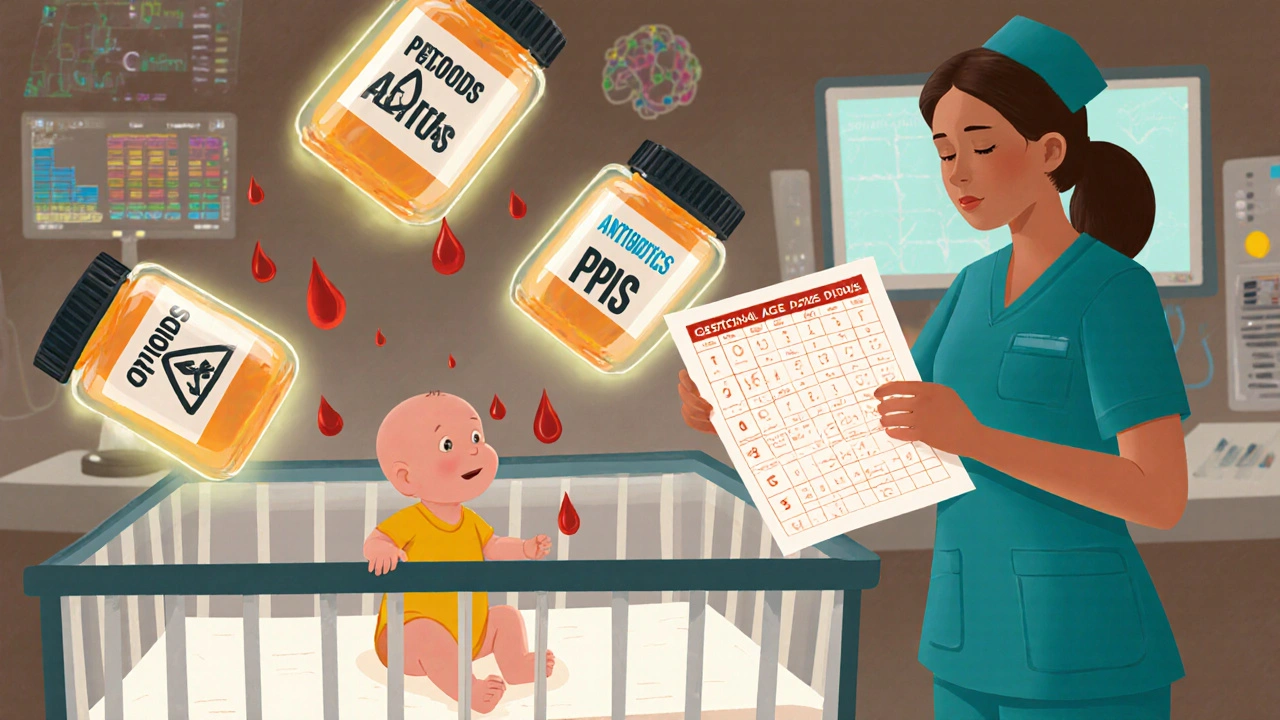
Preterm infants in the NICU face unique medication risks due to immature organs and off-label drug use. Learn which common drugs pose real dangers - and what’s being done to make care safer.
Continue Reading