On-Target Effects: What They Are and Why They Matter in Medication Safety
When a drug works exactly where it’s supposed to—that’s an on-target effect, the intended biological action of a medication at its specific molecular target. Also known as on-target activity, it’s what makes treatments like cancer drugs or thyroid hormones work. But here’s the catch: what’s supposed to help can also hurt. When the same mechanism that fixes one problem accidentally disrupts another, you get an on-target side effect. It’s not a mistake in the drug—it’s a flaw in the biology.
Take targeted therapy, a type of cancer treatment that attacks specific genetic mutations in tumors. Drugs like those used for melanoma or lung cancer lock onto mutated proteins to stop tumor growth. But those proteins aren’t just in cancer cells—they’re in healthy skin, gut lining, or even the heart. So when the drug hits its target, it doesn’t just kill cancer. It can also cause rashes, diarrhea, or heart rhythm issues. That’s not a side effect gone wrong. That’s an on-target effect playing out in the wrong place.
It’s the same with pharmacodynamics, how a drug affects the body at the molecular level. If a drug lowers blood pressure by relaxing arteries, that’s great—unless you’re already low on blood pressure. Then the same mechanism causes dizziness or fainting. Or think of GLP-1 agonists for weight loss: they slow stomach emptying to reduce hunger. That’s the on-target effect. But for some, it means constant nausea. The drug isn’t broken. Your body’s response is just part of the design.
Doctors don’t always warn you about this because they assume you’ll blame the drug, not the biology. But understanding on-target effects changes how you think about side effects. It’s not always about dosage or interactions. Sometimes, it’s just how the medicine works. That’s why posts on this page cover everything from prednisone mood swings to levothyroxine absorption issues to bleeding risks from blood thinners. These aren’t random reactions. They’re predictable outcomes of the drug doing exactly what it’s meant to do—just in places you didn’t expect.
You’ll find real examples here: how a thyroid drug fails because of acid reflux meds, how kidney disease turns safe doses into poison, how even natural supplements like Shallaki can cause issues if your body’s not ready. No fluff. No theory without application. Just clear, practical insights from real cases—because knowing why a side effect happens helps you decide what to do next. Whether you’re managing a chronic condition, adjusting meds after surgery, or just trying to stay on track with your treatment, understanding on-target effects gives you real control. You won’t just tolerate side effects—you’ll understand them. And that changes everything.
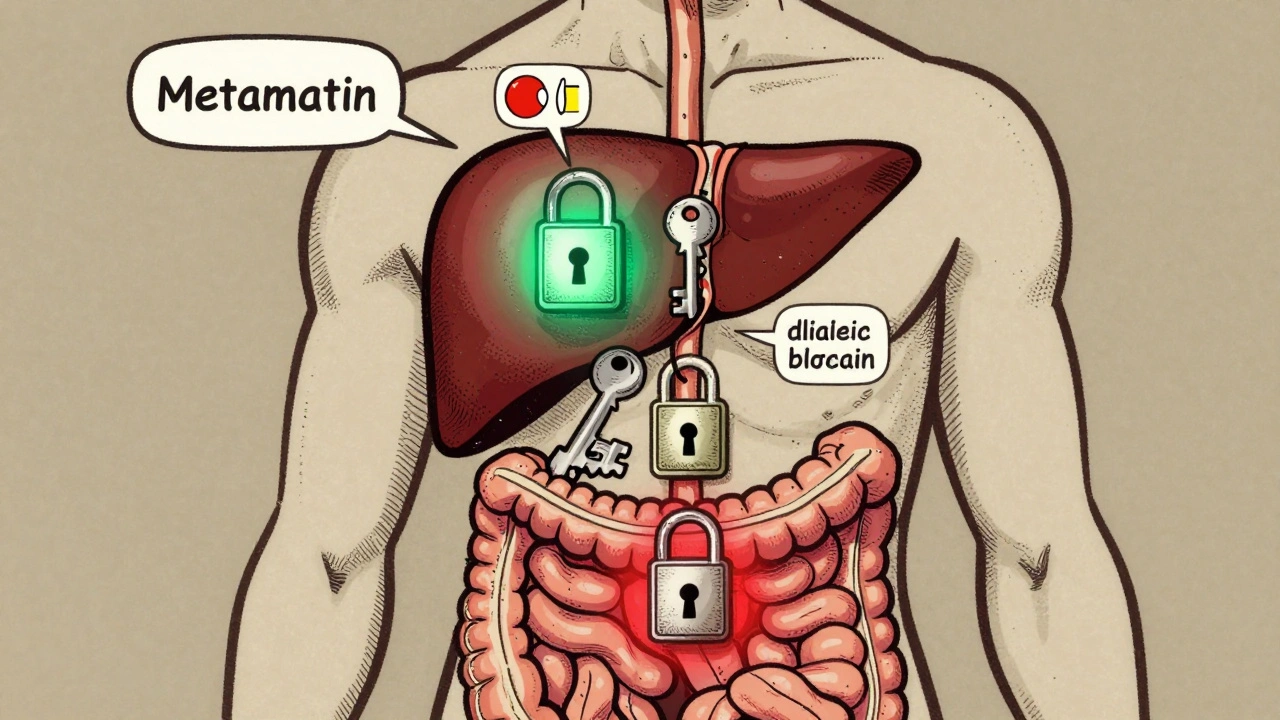
Learn how on-target and off-target drug effects cause side effects, why some drugs fail in trials, and how scientists are predicting toxicity before patients take them. Real examples from cancer, heart, and diabetes meds.
Continue Reading