Pharmaceutical Quality Control: Ensuring Safe, Effective Medications
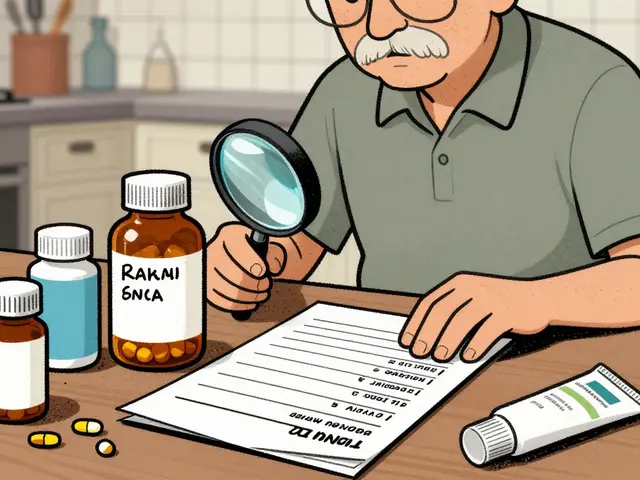
When you take a pill, you expect it to work—correct dose, no contaminants, consistent results. That’s not luck. It’s pharmaceutical quality control, the system of checks and standards that ensures every medication is safe, pure, and effective before it reaches your hands. Also known as drug quality assurance, it’s the invisible guardrail between a life-saving drug and a dangerous mistake. Without it, a child’s liquid medicine could have ten times the intended dose. A generic pill might not dissolve properly. A batch of insulin could be contaminated. This isn’t theoretical—it’s why the FDA sends inspectors to factories overseas, why pharmacies must be accredited for compounding, and why your doctor checks your kidney function before adjusting your dose.
FDA foreign facility inspections, unannounced checks on overseas drug makers, are one part of this system. Over half of all pills sold in the U.S. are made abroad, and quality control demands those factories meet the same standards as U.S. plants. Generic drugs, lower-cost copies of brand-name medicines, are another critical piece. They’re not cheaper because they’re less regulated—they’re cheaper because they don’t need to repeat expensive clinical trials. But they still must prove they deliver the same active ingredient, in the same amount, at the same rate as the original. That’s medication purity, the absence of harmful fillers, toxins, or inconsistent active ingredients. If a generic doesn’t meet this, it’s not just ineffective—it’s risky. And when a patient with kidney disease gets a standard dose of a drug that should be lowered? That’s a failure of quality control too.
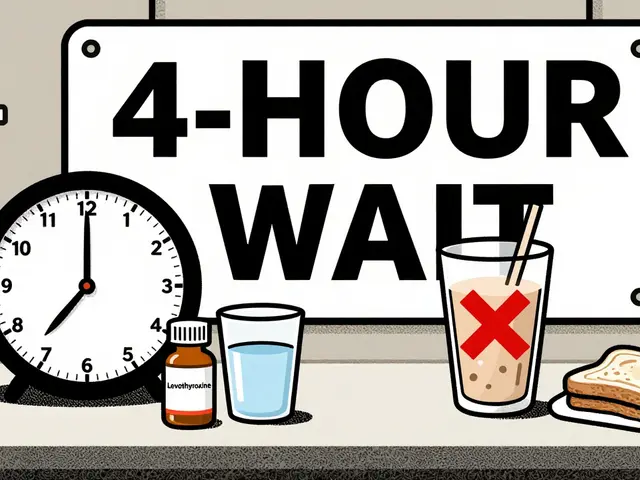
It’s not just about factories and pills. It’s about how medications are mixed, stored, and given. Compounded medications for kids, like custom liquid forms for children who can’t swallow pills, need strict controls—no guessing on measurements. Even something as simple as levothyroxine interacting with acid reflux drugs can throw off absorption if quality isn’t monitored. The same goes for methadone and heart rhythm risks, or MAOIs clashing with cold medicines. Every interaction, every dosage adjustment, every warning label exists because someone once made a mistake—and the system had to fix it.
What you’ll find here isn’t just theory. It’s real cases: how a single error in a compounded drug led to tragedy, how foreign inspections catch unsafe practices, why insurers push generics but still demand proof of quality, and how kidney disease changes everything about dosing. These aren’t abstract rules—they’re the reason your medicine works when it should, and doesn’t hurt you when it shouldn’t.
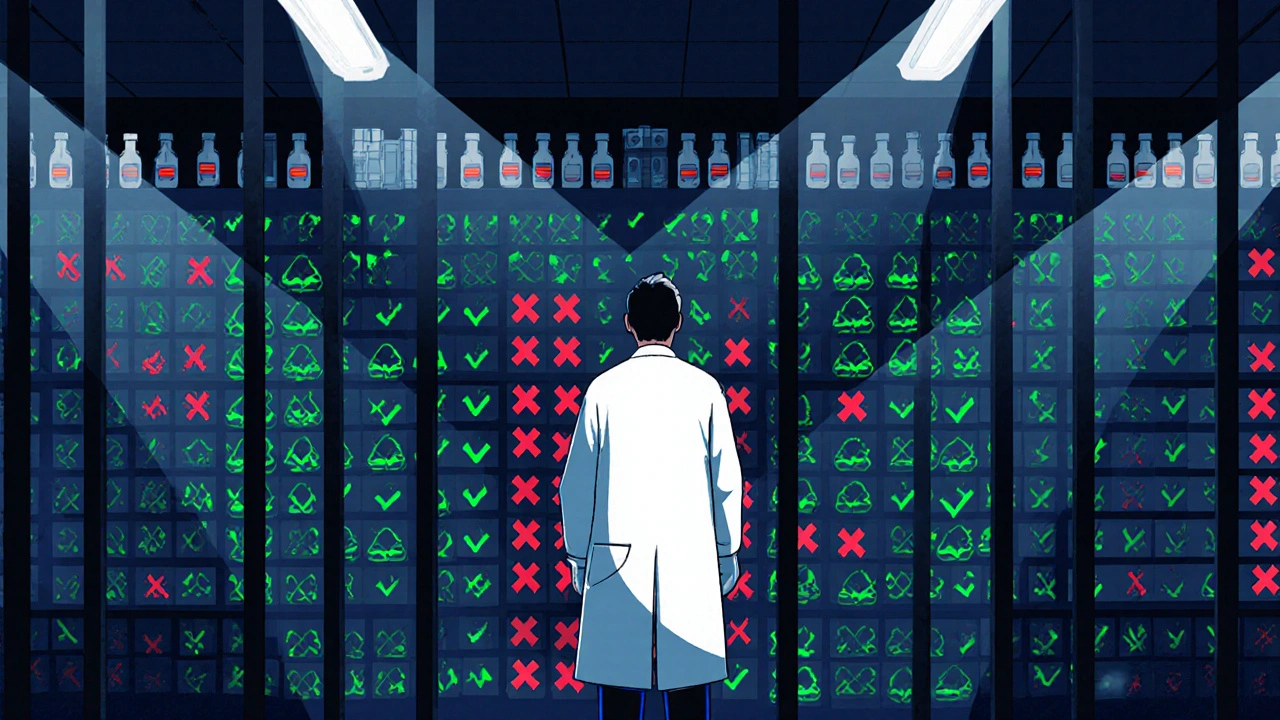
Batch release testing is the final safety check for every pharmaceutical batch before distribution. Learn how identity, potency, purity, and microbial tests ensure patient safety-and why even one failure can cost millions.
Continue Reading