Drug Interaction: What You Need to Know About Medication Risks and Safety
When you take more than one medication, drug interaction, a change in how a drug works when combined with another drug, food, or supplement. Also known as medication interaction, it can make your pills less effective—or turn them dangerous. This isn’t rare. Nearly 40% of adults in the U.S. take five or more medications, and each extra pill increases the chance of something going wrong.
There are two main ways drug interactions happen. One is pharmacokinetic interactions, how your body absorbs, breaks down, or gets rid of a drug. For example, grapefruit juice can stop your liver from breaking down statins, letting too much build up in your blood. The other is pharmacodynamic interactions, how drugs affect your body’s systems together. Think of mixing blood thinners with NSAIDs—it doubles your risk of bleeding. Or combining MAOIs with cold medicines, which can spike your blood pressure to life-threatening levels. These aren’t theoretical risks. Real patients end up in ERs because someone didn’t connect the dots.
Some people are more at risk. Older adults, people with kidney or liver disease, and those on long-term meds like anticoagulants, antidepressants, or opioids face the highest danger. Even something simple like melatonin or Shallaki can interfere. And generics? They’re safe—but if your doctor switches you without checking your full list, you might not realize a new pill clashes with an old one. That’s why knowing your meds matters more than ever.
It’s not about avoiding medicine. It’s about using it wisely. A single drug might help your heart, but if it’s messing with your sleep, your kidneys, or your mood, you need to know. That’s why the posts here cover real cases: how methadone and QT-prolonging drugs raise arrhythmia risk, why prednisone flips your emotions, how kidney disease turns normal doses toxic, and why OTC cold meds can trigger serotonin syndrome with antidepressants. These aren’t textbook warnings—they’re stories from people who lived through it.
You’ll find practical guides on spotting red flags, understanding what your doctor should check, and how to talk to them without sounding paranoid. No jargon. No fluff. Just what you need to stay safe when your medicine cabinet gets crowded.
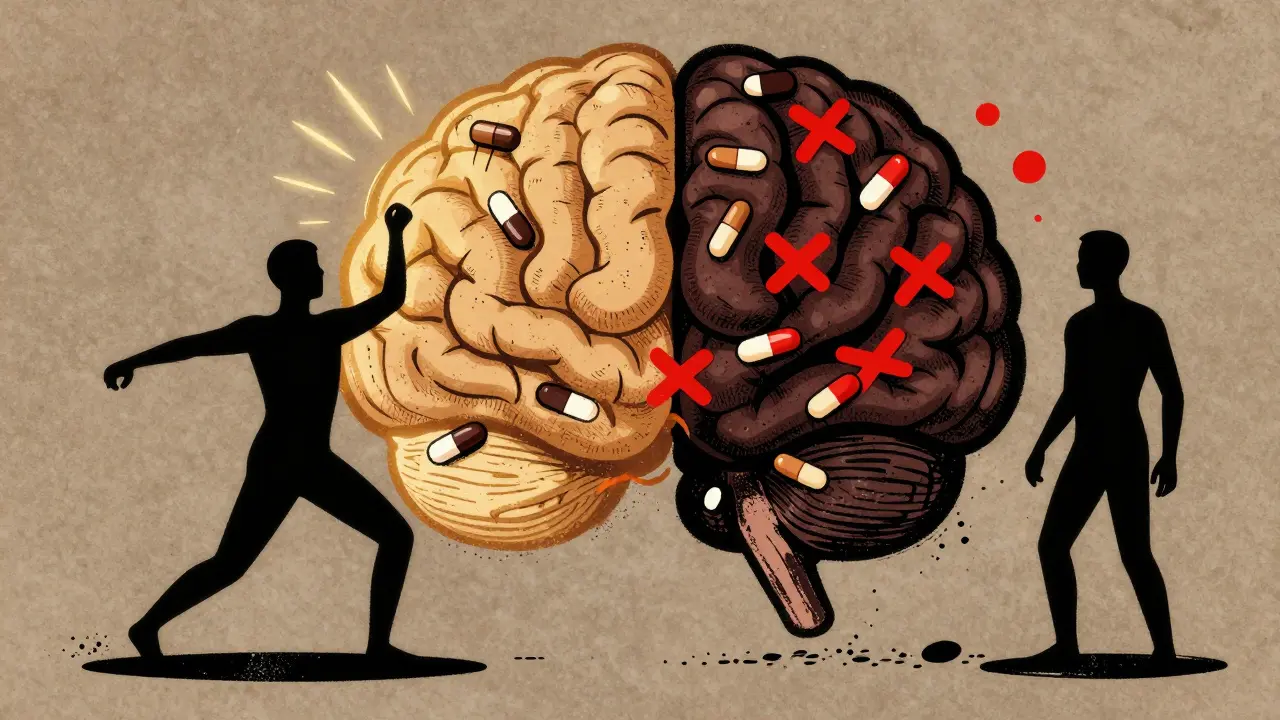
Levodopa and antipsychotics have opposing effects on dopamine, making it dangerous to use them together. Learn how this clash worsens Parkinson’s symptoms and psychosis-and what safer options exist.
Continue Reading
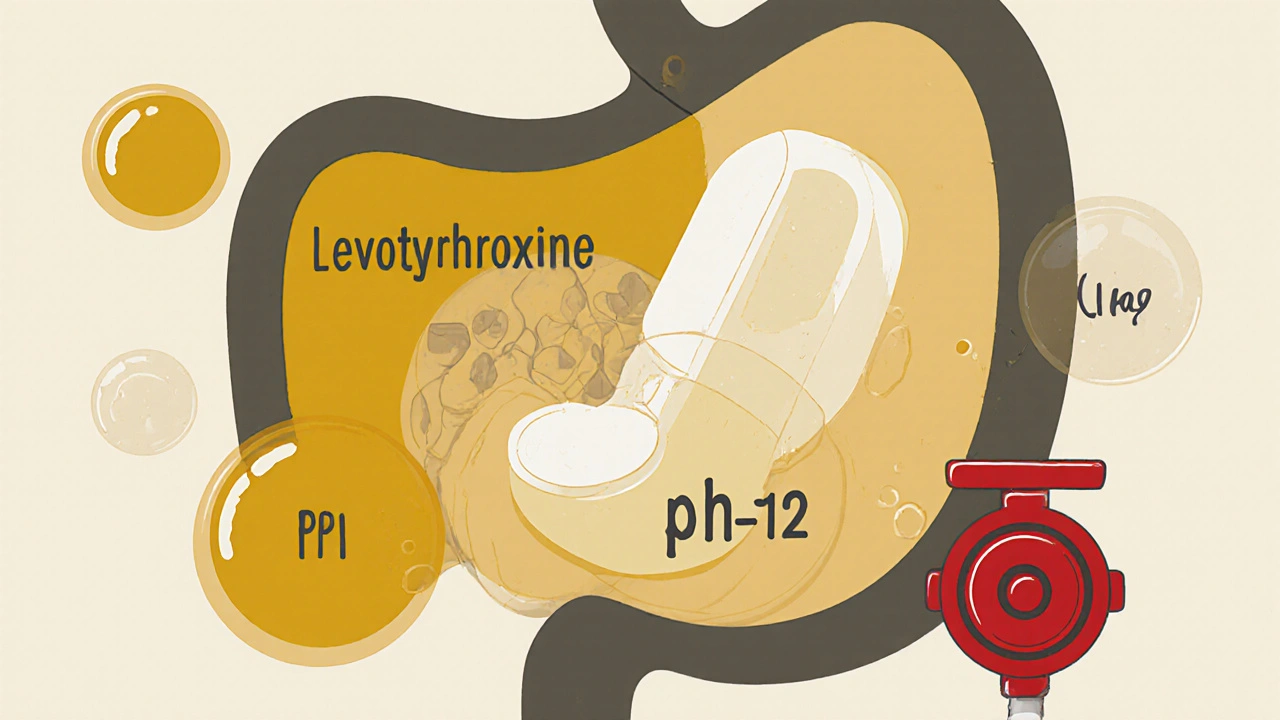
Levothyroxine and proton pump inhibitors (PPIs) can interfere with each other, reducing thyroid hormone absorption and raising TSH levels. Learn how to spot the interaction and what to do about it.
Continue Reading