FDA Authorized Generics: What They Are and Why They Matter
When you hear FDA authorized generics, brand-name drugs sold under a generic label with identical active ingredients, packaging, and manufacturing process, approved by the U.S. Food and Drug Administration. Also known as authorized generics, they are not imitations—they’re the real thing, just without the brand name. Unlike regular generics, which may look different or use different inactive ingredients, FDA authorized generics are manufactured by the same company that makes the brand-name version, using the exact same formula and production line. That means you get the same pill, same effectiveness, same safety profile—but at a fraction of the cost.
This matters because many people still think generics are inferior. But here’s the truth: if a drug is labeled as an FDA authorized generic, it’s been reviewed and approved by the same agency that approved the original brand. The FDA doesn’t allow these to be sold unless they meet every single quality, strength, and performance standard. You’re not getting a cheaper version—you’re getting the same drug, just without the marketing budget. And that’s why insurers and pharmacies push them: they cut costs by up to 90% without sacrificing results. This is especially important for chronic conditions like high blood pressure, diabetes, or thyroid disorders, where you take the same pill every day for years.
But not all generics are created equal. Regular generics can have different fillers, coatings, or shapes—even if the active ingredient is identical. For some people, those small differences can cause issues with absorption or tolerance. That’s where FDA authorized generics step in. They eliminate that uncertainty. If your doctor prescribes a brand-name drug and you’re looking to save money, ask if an authorized generic exists. It’s often listed on the FDA’s Orange Book, and many pharmacies stock them quietly because they don’t need to advertise them.
And here’s something most people don’t realize: the same factory that makes your brand-name drug often makes the authorized generic. The only difference? The box says something like "Lisinopril" instead of "Zestril." The pills are identical. The same quality control checks. The same batch testing. The same FDA inspections. If you’ve read about batch release testing or foreign facility inspections, you know how tightly these processes are monitored. Authorized generics aren’t a loophole—they’re part of the system designed to make safe, effective drugs more affordable.
So why do some doctors still prescribe the brand? Sometimes it’s habit. Sometimes it’s a misunderstanding. But the data is clear: authorized generics deliver the same outcomes as their brand-name counterparts. Patients who switch report no change in side effects, no drop in effectiveness. And the savings? Real. Hundreds, sometimes thousands, of dollars a year. That’s not just a financial win—it’s a health win. When cost isn’t a barrier, people stick with their meds. And sticking with meds is what keeps people out of the hospital.
Below, you’ll find posts that dig into how generics work, why patients hesitate to use them, how insurers control which drugs you get, and what happens when patents expire. You’ll also see how drug interactions, dosing, and safety checks apply equally to brand-name and authorized generic versions. Whether you’re managing a chronic condition, helping an aging parent, or just trying to cut healthcare costs, understanding FDA authorized generics gives you real power. You don’t need to pay more for the same medicine. And now you know why.
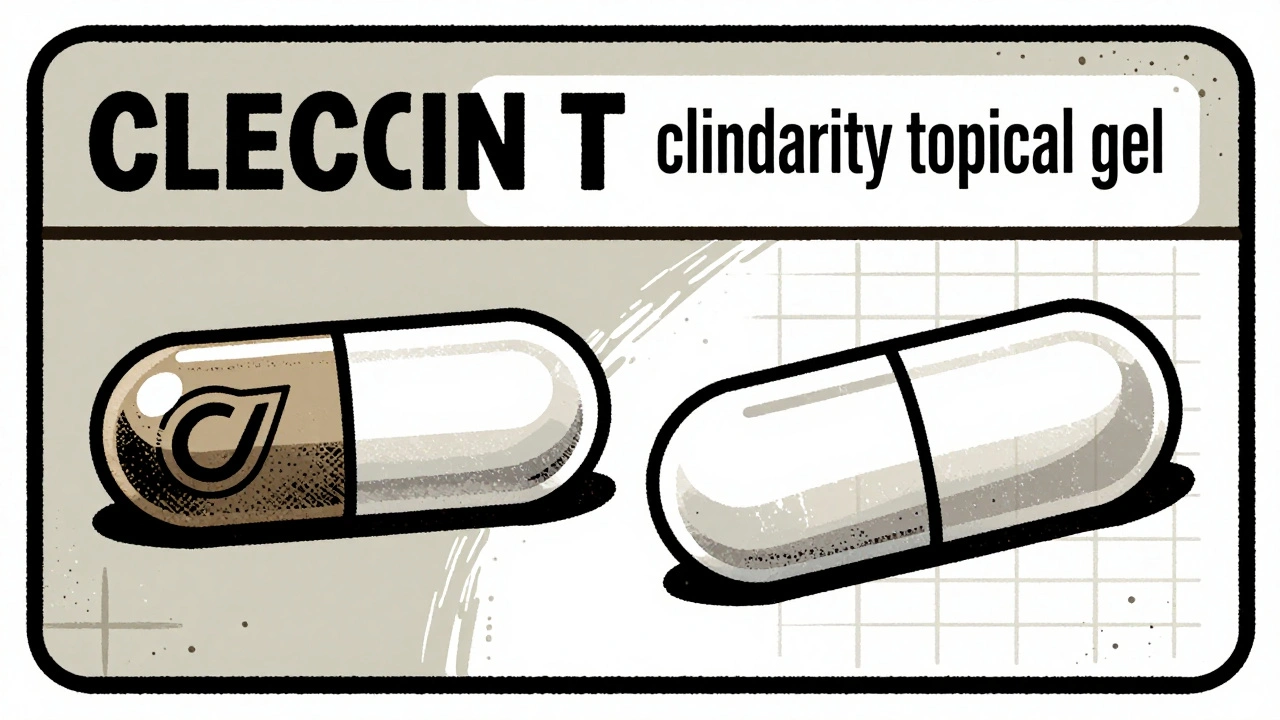
Learn where to find the FDA's official list of authorized generics, how it differs from regular generics, and why it's not always reliable for finding low-cost drug options. Understand its strengths, limitations, and how to use it wisely.
Continue Reading