Medication Safety: Avoid Harm, Understand Risks, and Take Control
When you take a medication safety, the practice of using drugs correctly to avoid harm while achieving health goals. Also known as drug safety, it’s not just about following labels—it’s about understanding how your body, other meds, and even your diet can turn a helpful pill into a danger zone. Many people think if a doctor prescribed it, it’s automatically safe. But that’s not true. drug interactions, when two or more medicines react in harmful ways inside your body can cause seizures, heart problems, or even death—like mixing MAOIs with cold medicine or taking methadone with other drugs that stretch your heart’s electrical rhythm. These aren’t rare edge cases. They happen every day.
Some people are at higher risk without even knowing it. If you have kidney disease, a condition where your kidneys can’t clear drugs from your blood like they should, even normal doses of NSAIDs or blood thinners can build up to toxic levels. That’s why renal dosing, adjusting medication amounts based on kidney function isn’t optional—it’s life-saving. And it’s not just older adults. People with diabetes, liver issues, or those on multiple prescriptions are also in the danger zone. medication toxicity, when a drug becomes poisonous due to overdose, buildup, or bad reactions doesn’t always show up right away. It sneaks in over weeks, making you feel tired, confused, or sick—then suddenly, it’s an emergency.
You can’t just rely on your pharmacist or doctor to catch every risk. You need to ask the right questions: Is this safe with my other meds? Could my kidneys handle this? What happens if I miss a dose? What symptoms mean I should call right away? The posts below don’t just list side effects—they show you real stories, real risks, and real fixes. From prednisone shaking your mood to statins quietly raising blood sugar, from gout drugs that don’t work during pregnancy to sleep pills that wreck your bladder—this isn’t theory. It’s what people are living through. And you don’t have to guess your way through it.
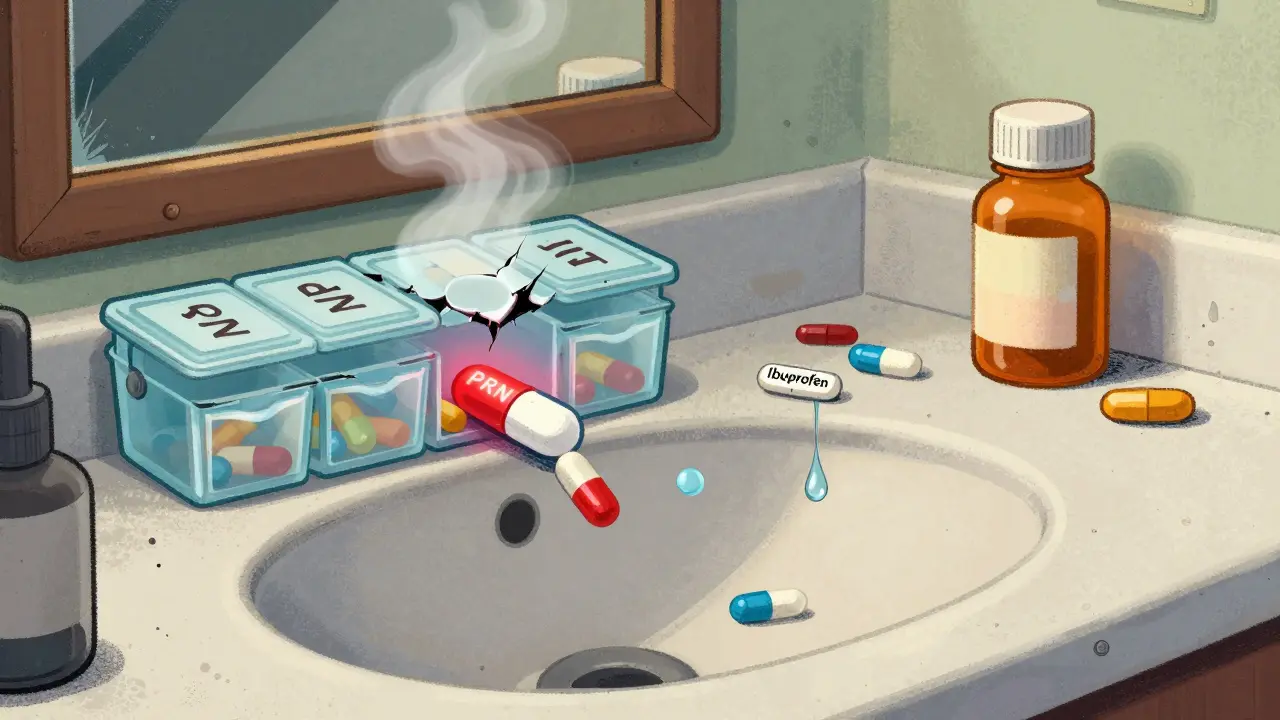
Pill organizers can prevent overdose-but only if used correctly. Learn the 5-step safety protocol, what meds to avoid, and how to stop common mistakes that lead to accidental overdoses.
Continue Reading
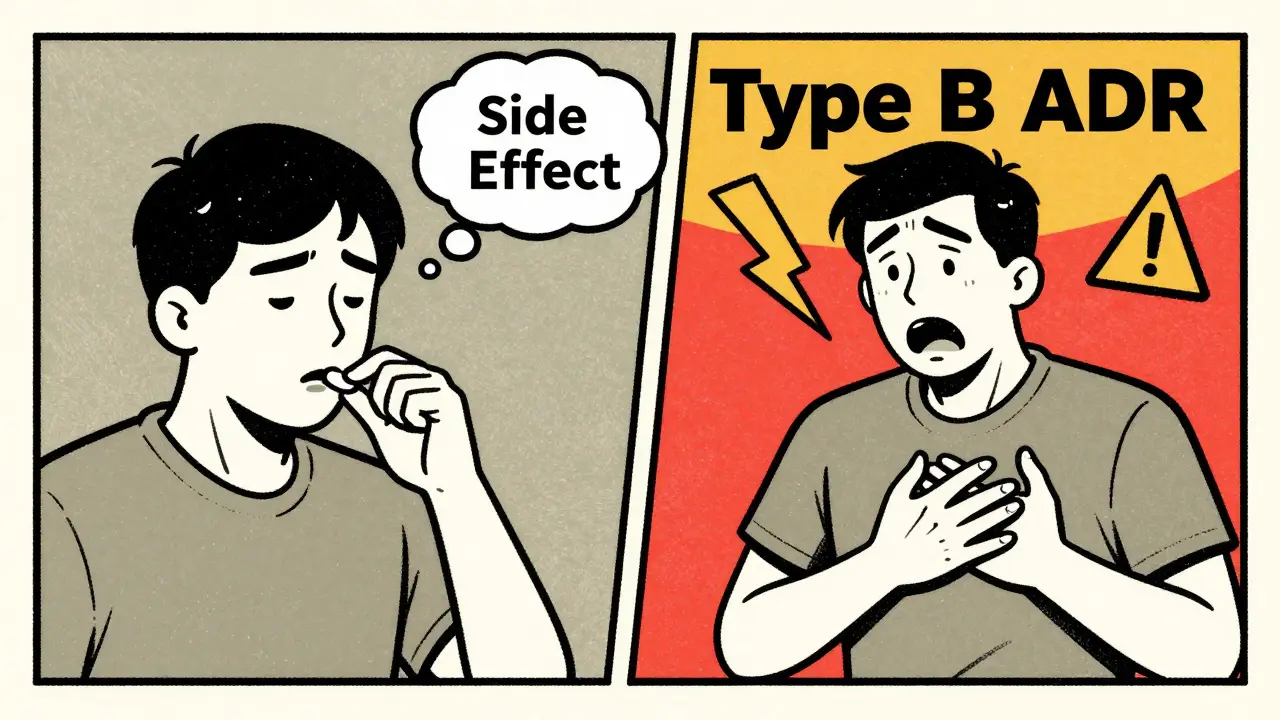
Learn the real difference between medication side effects and adverse drug reactions - why confusing them can lead to dangerous decisions, and how to tell them apart in real life.
Continue Reading

Learn how to prepare for a telehealth medication review, what questions to ask, and why this virtual checkup can prevent dangerous drug interactions. Essential for anyone taking multiple medications.
Continue Reading
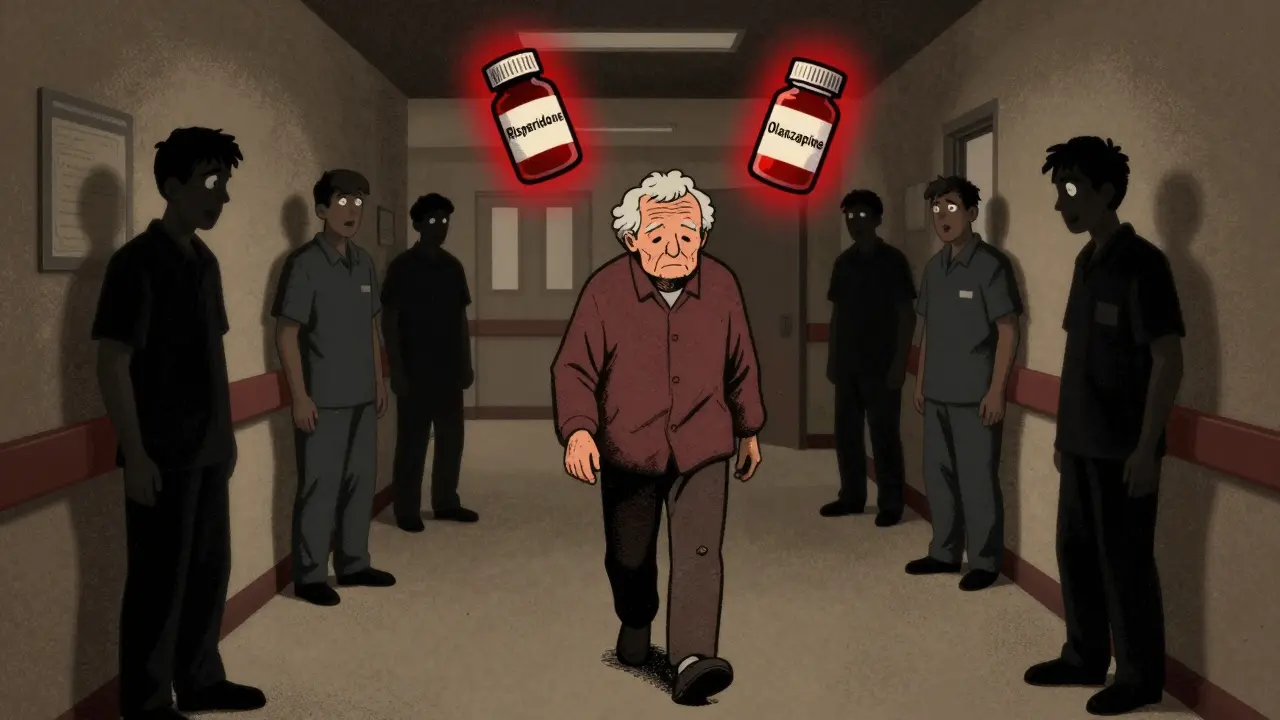
Antipsychotics increase stroke risk by 80% in seniors with dementia - yet are still widely prescribed. Learn why these drugs are dangerous, what alternatives exist, and how families can protect their loved ones.
Continue Reading
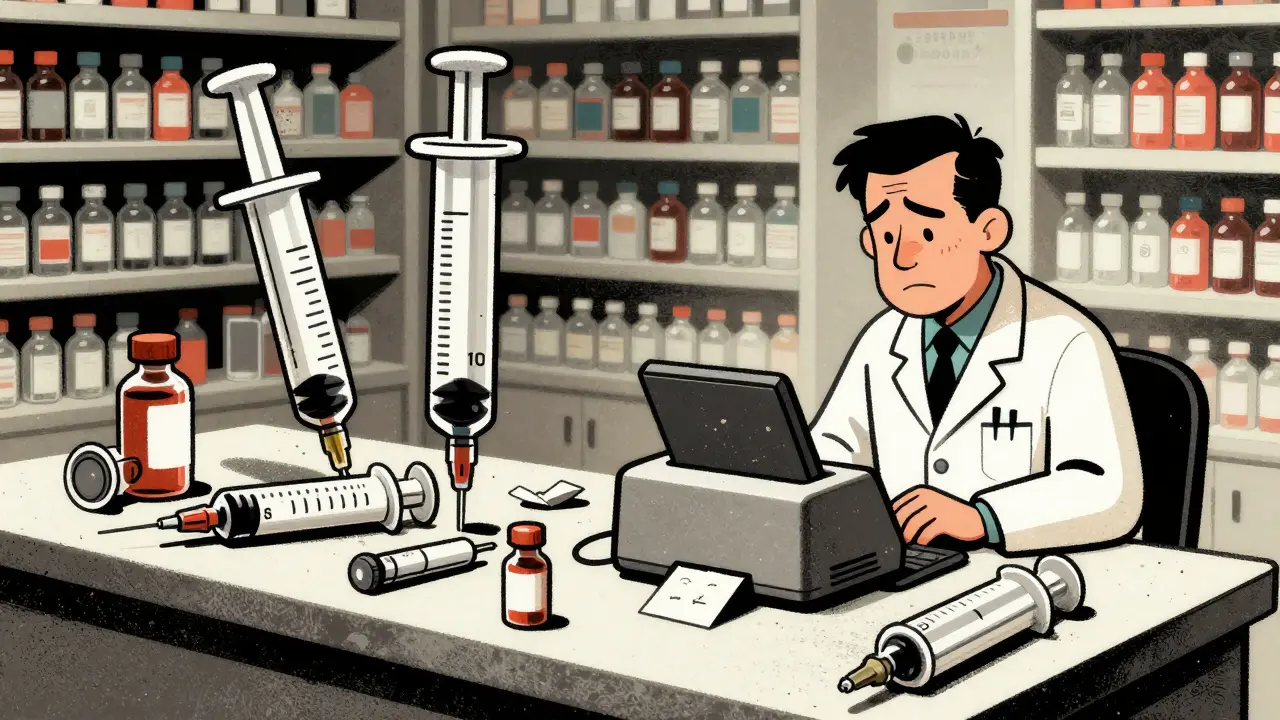
Medication errors cause hundreds of thousands of deaths each year. Learn how patient safety goals, barcode systems, and pharmacy protocols are reducing dispensing mistakes - and why the Five Rights aren't enough.
Continue Reading
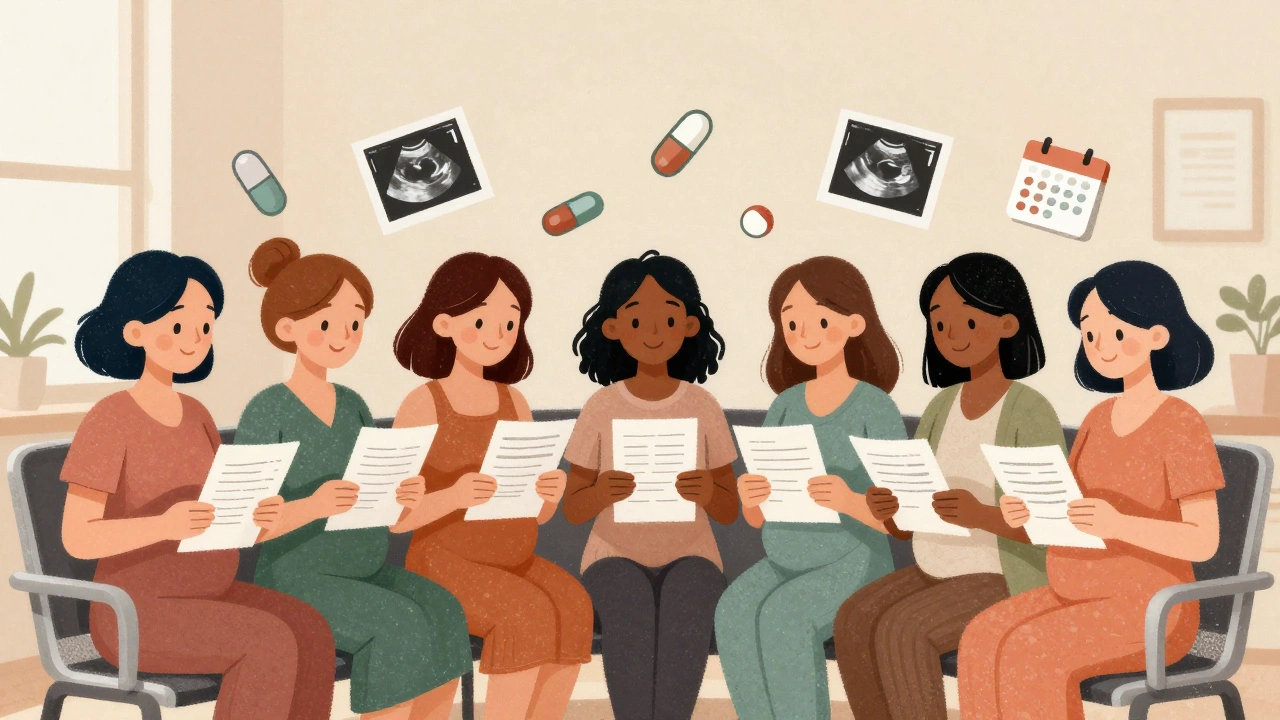
Pregnancy registries track medication use during pregnancy to uncover hidden risks to fetal development. They're the best tool we have to learn what drugs are safe-before it's too late.
Continue Reading
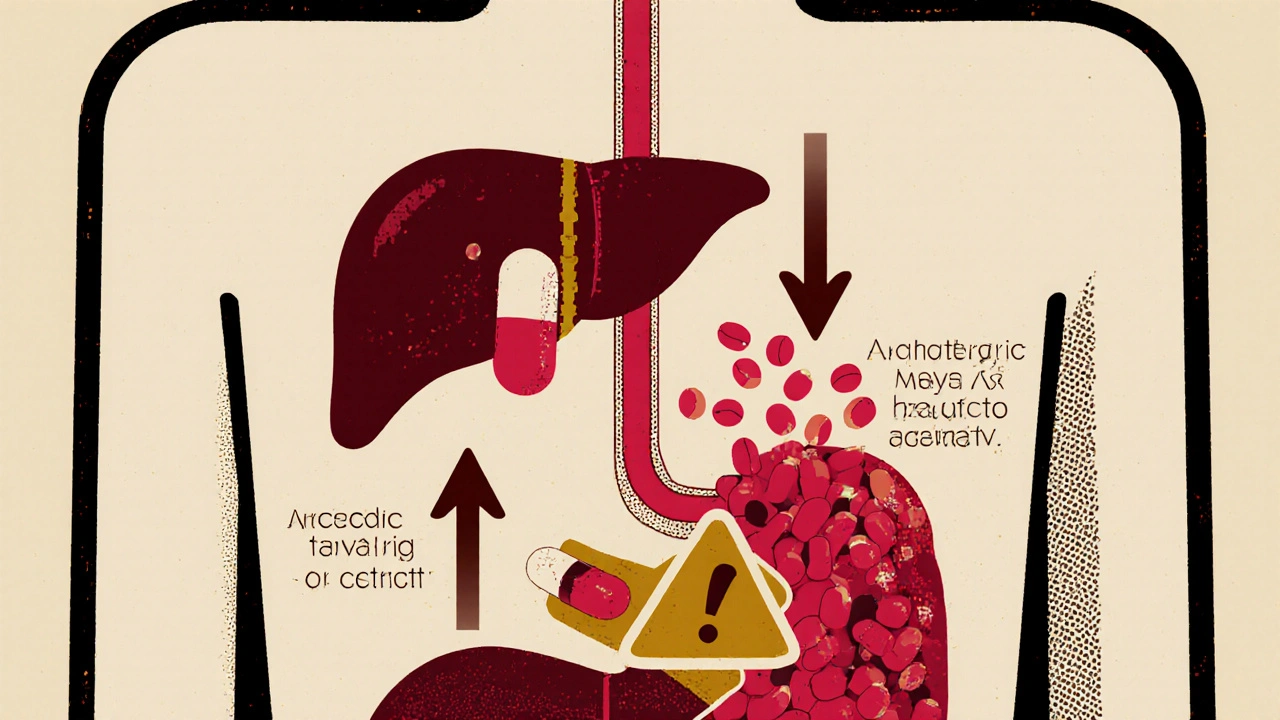
Understand the difference between pharmacokinetic and pharmacodynamic drug interactions-how they affect your body, why they matter, and how to stay safe when taking multiple medications.
Continue Reading