Generic vs Brand Name Drugs: A Guide to Labeling and Therapeutic Equivalence
Learn the real difference between generic and brand-name drugs, how the FDA ensures therapeutic equivalence, and why labels and prices vary so much.
Continue Reading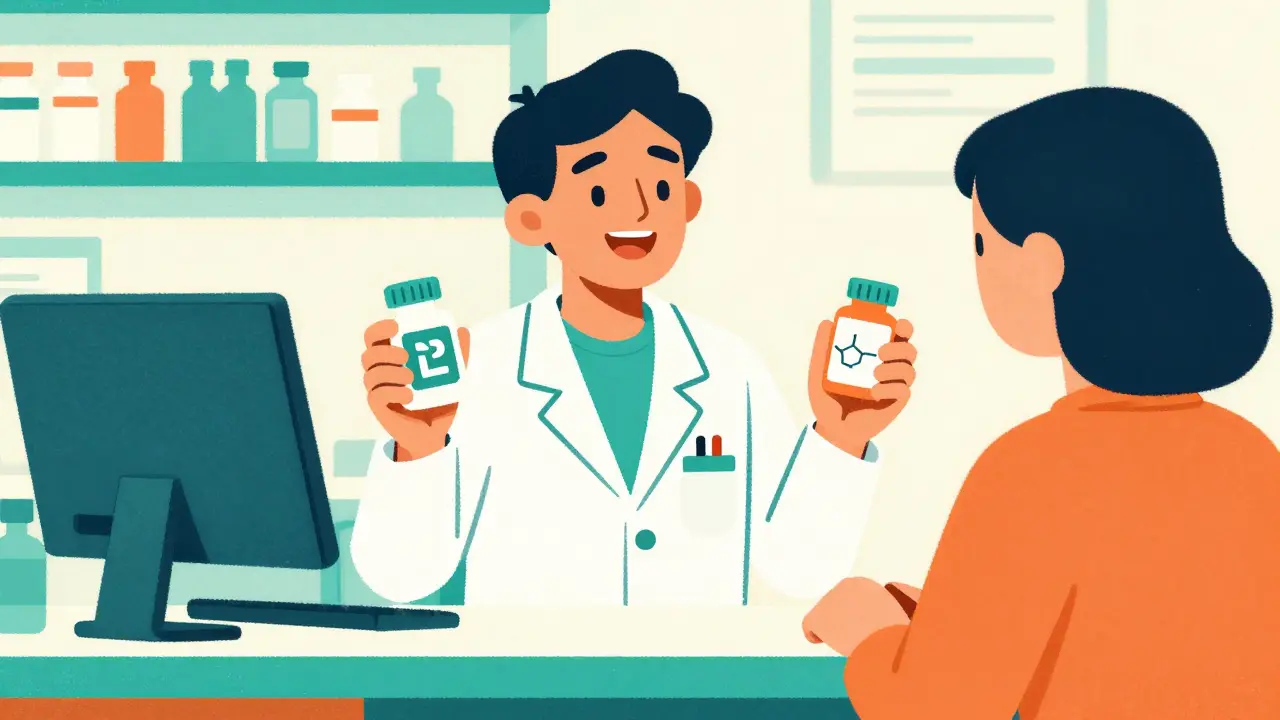
Learn the real difference between generic and brand-name drugs, how the FDA ensures therapeutic equivalence, and why labels and prices vary so much.
Continue Reading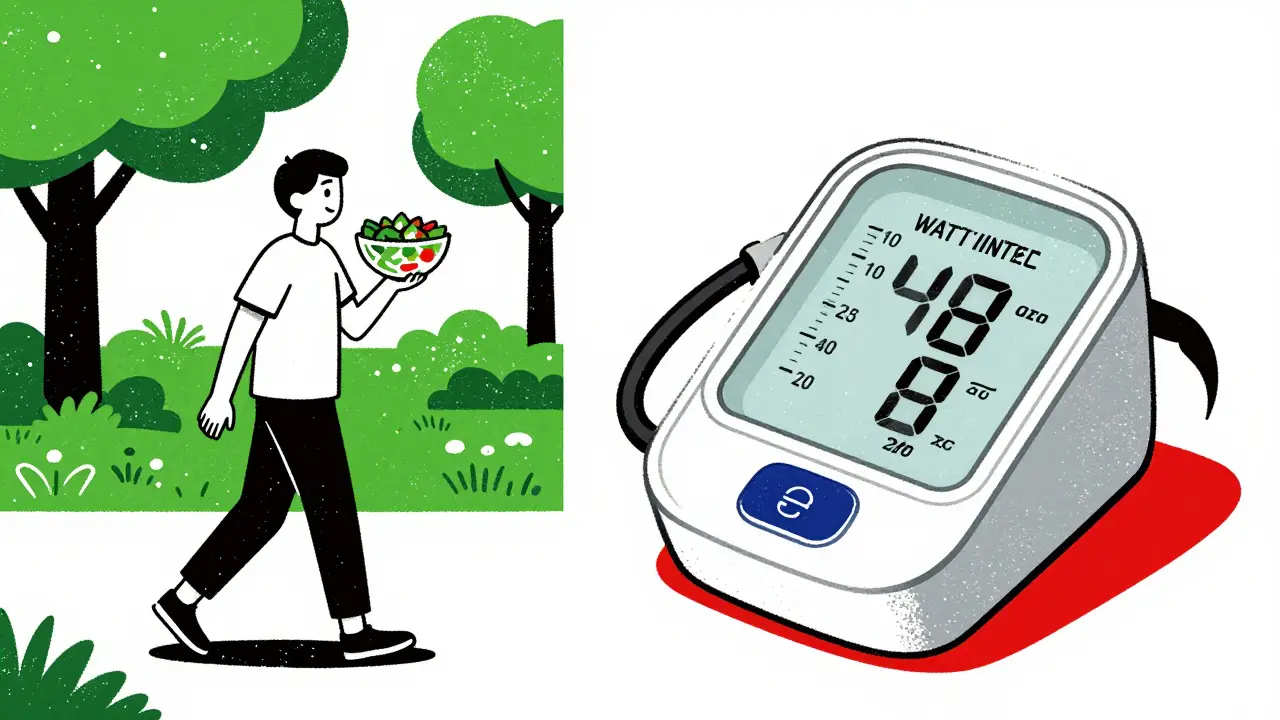
Learn how common medications like NSAIDs and steroids cause high blood pressure and discover professional strategies for monitoring and managing drug-induced hypertension.
Continue Reading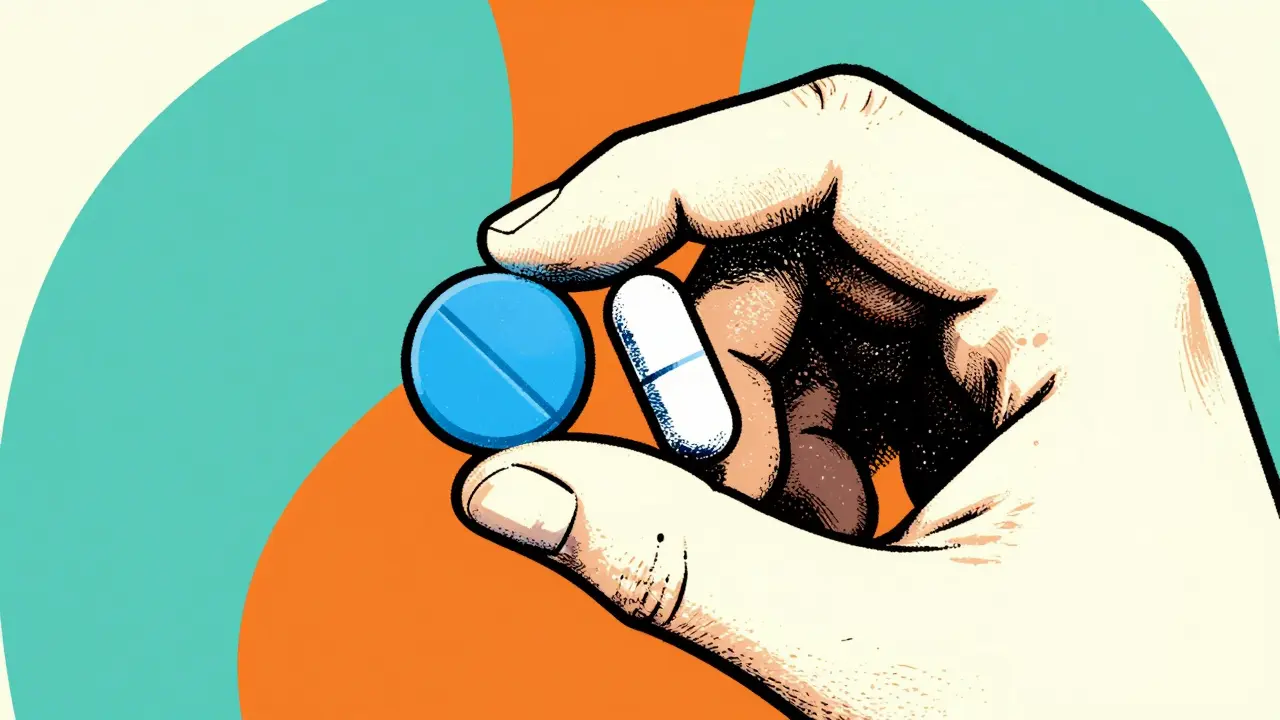
Learn how to compare generic drug manufacturers and understand why pill appearance changes. Discover the science of bioequivalence and how to identify your medications safely.
Continue Reading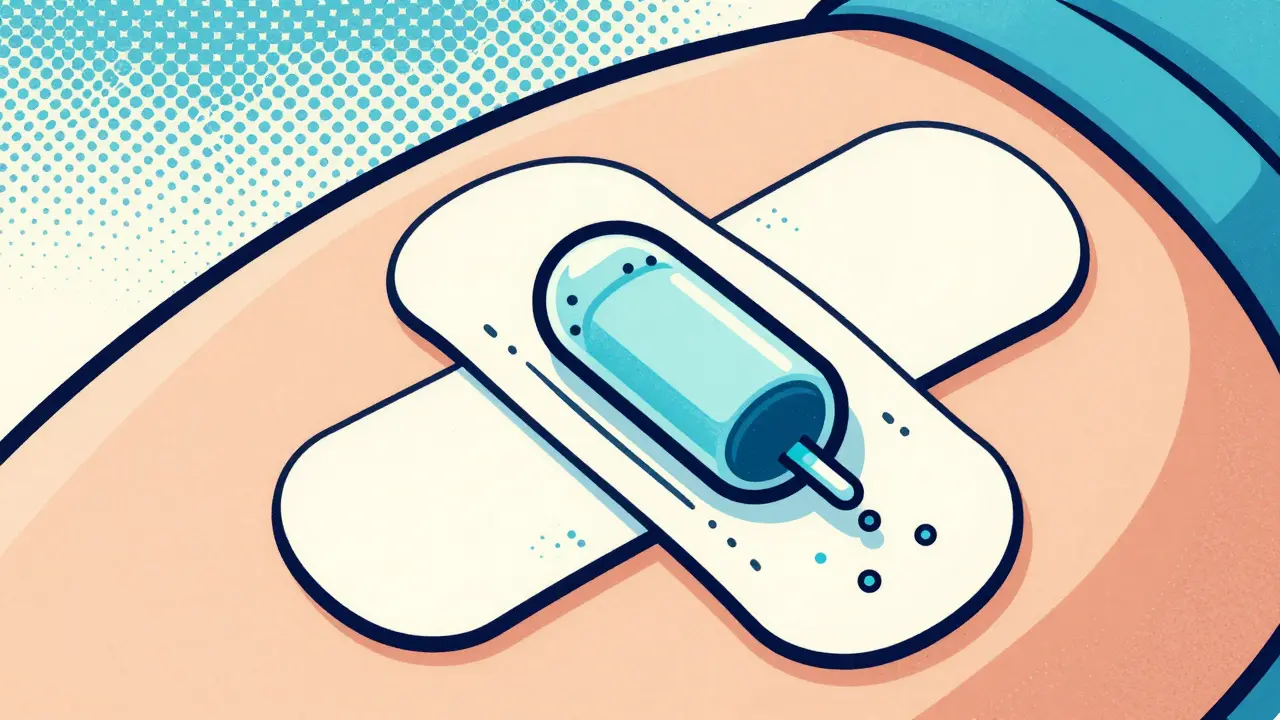
Learn the serious risks of fentanyl patches including overdose and withdrawal. Discover warning signs, safety protocols, and proper disposal methods.
Continue Reading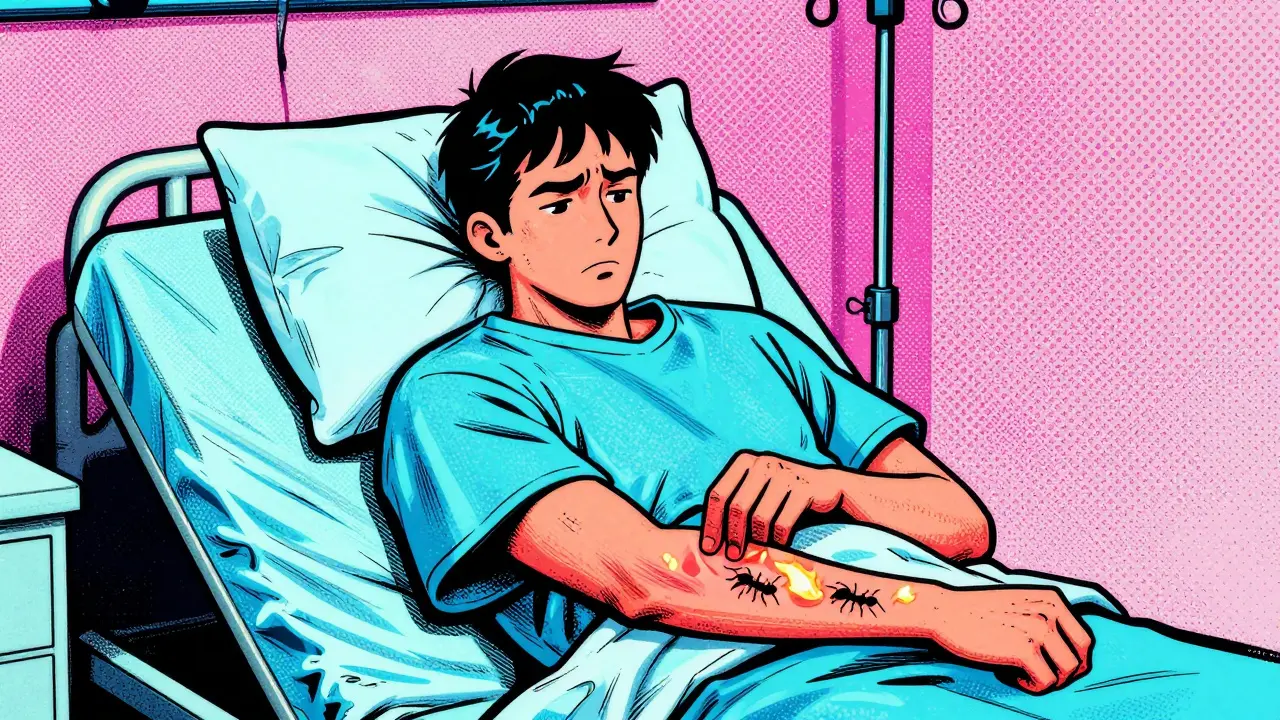
Explore why opioids cause itching and learn evidence-based management strategies beyond antihistamines for better patient recovery.
Continue Reading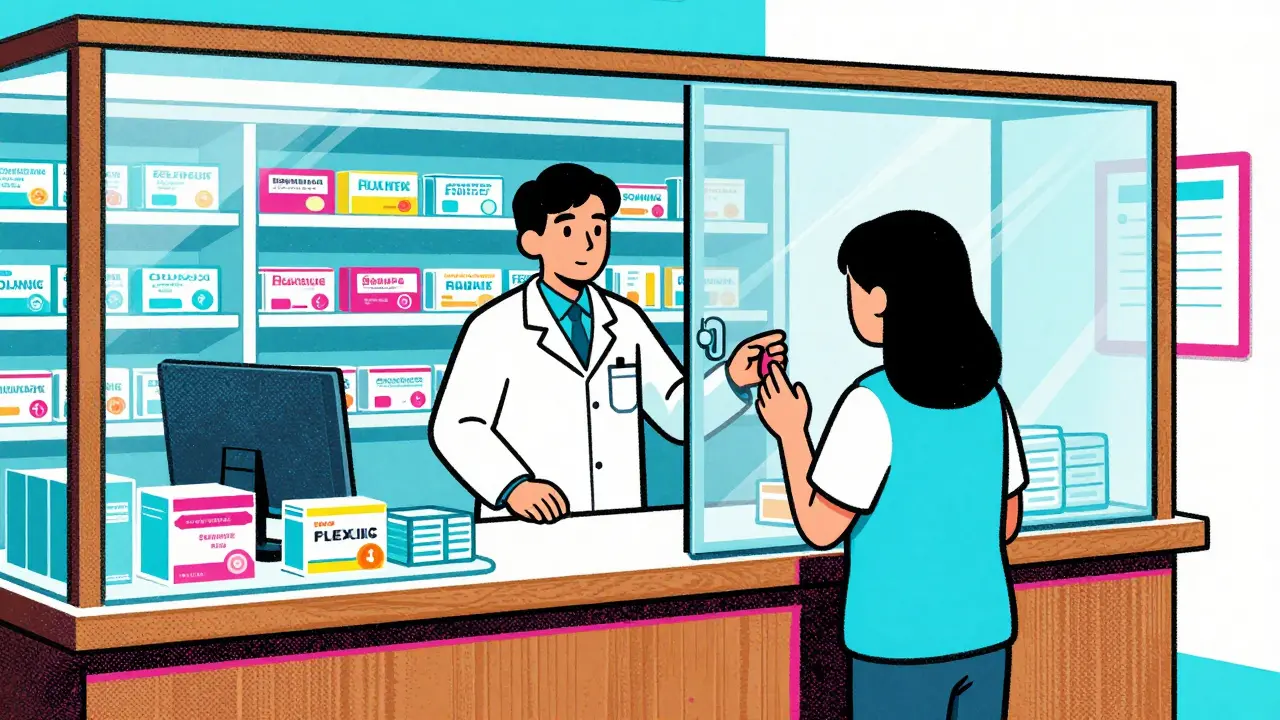
Understand the world of Behind-the-Counter medications, including restricted items like pseudoephedrine and emergency contraceptives, and how pharmacy safety protocols affect your access.
Continue Reading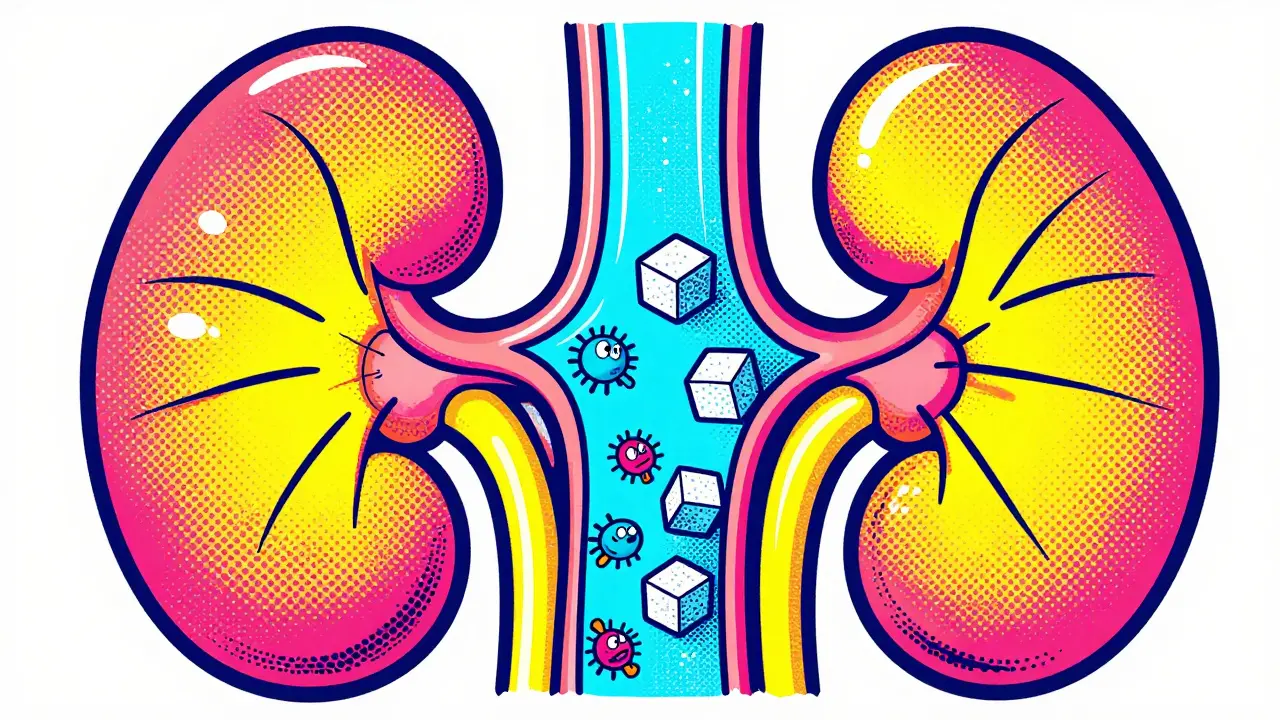
Understanding the link between SGLT2 inhibitors and urinary complications. Learn about infection risks, symptoms, prevention, and when to seek medical help for diabetes patients.
Continue Reading
Hemochromatosis is a genetic disorder causing dangerous iron buildup in organs like the liver and heart. Phlebotomy - regular blood removal - is the most effective, affordable treatment. Early diagnosis prevents cirrhosis, diabetes, and liver cancer.
Continue Reading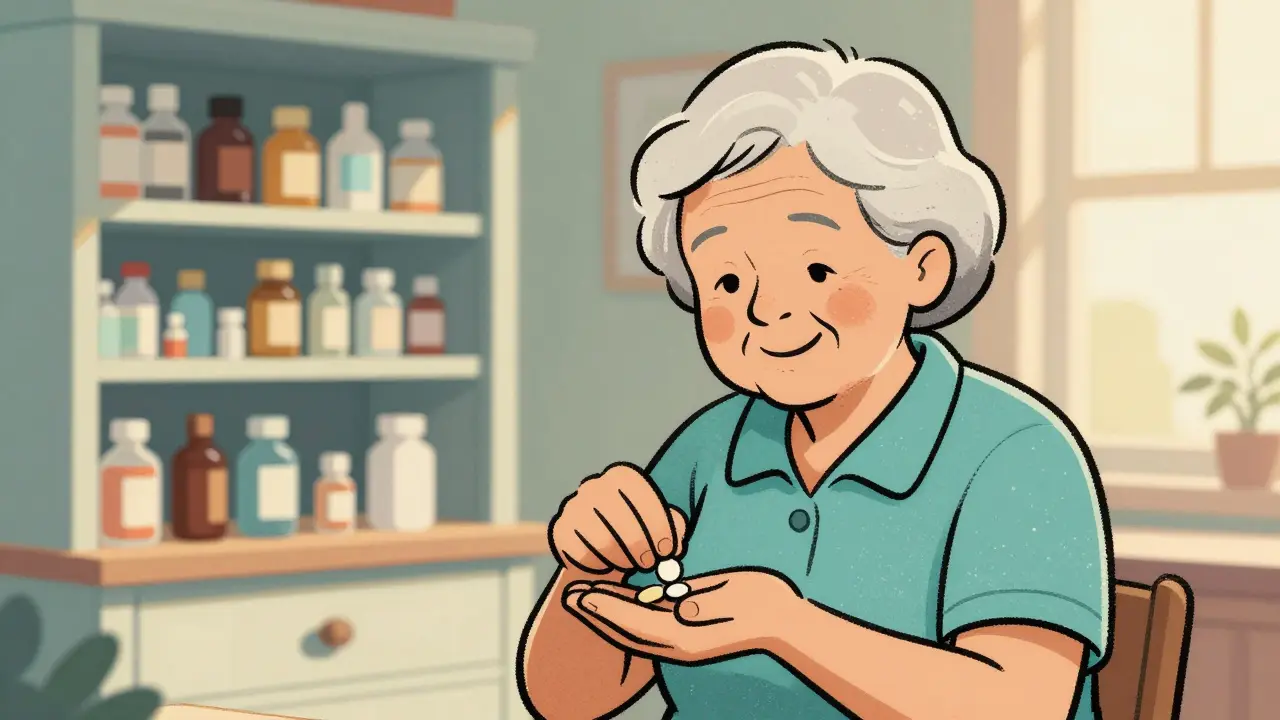
Combination medications help seniors take fewer pills daily, improving adherence and reducing risks like hospitalization. Backed by research, these single-pill therapies simplify treatment for conditions like hypertension, diabetes, and high cholesterol.
Continue Reading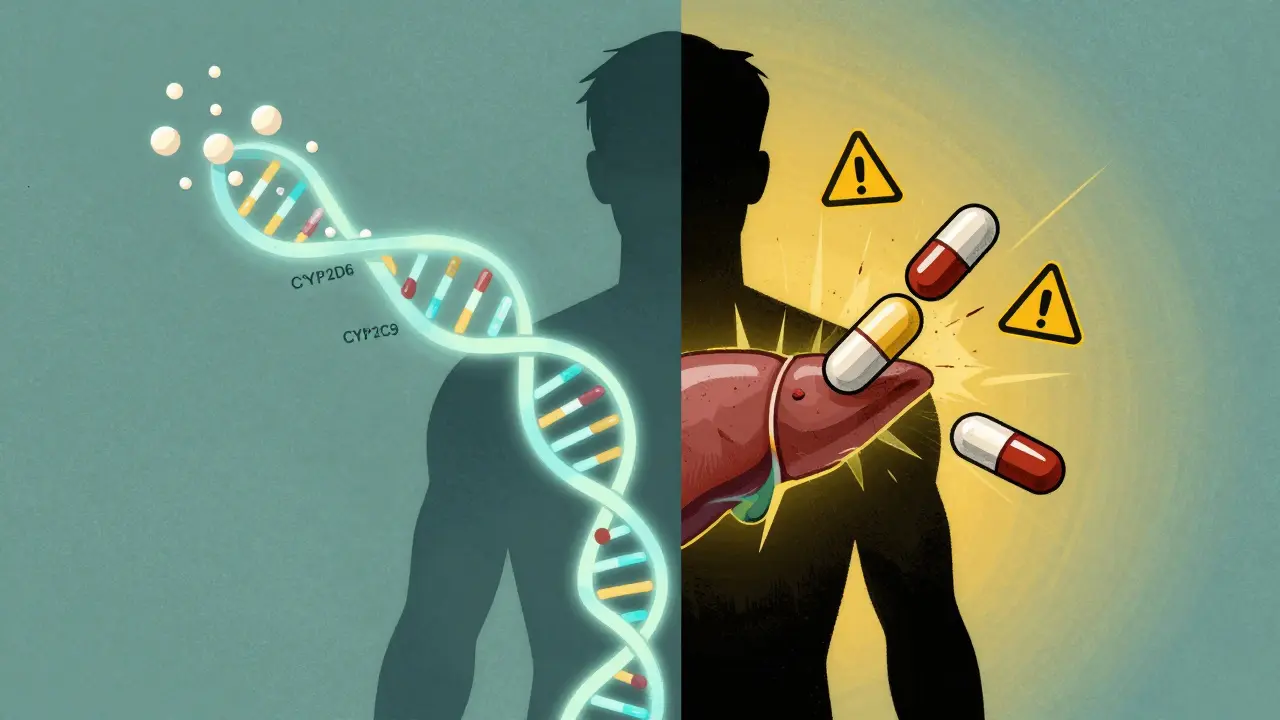
Medications affect people differently due to genetics, age, other drugs, and lifestyle. Some people metabolize drugs too slowly or too fast, leading to side effects or treatment failure. Genetic testing can help personalize dosing and prevent dangerous reactions.
Continue Reading